
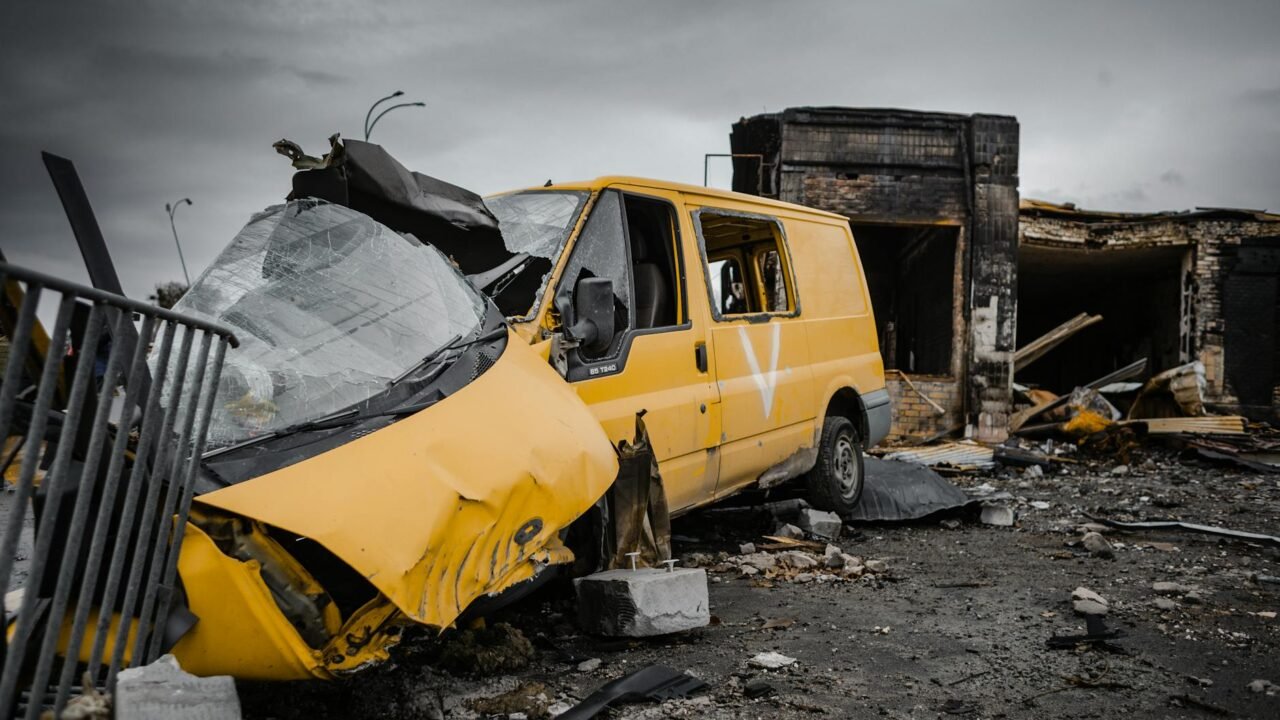
Kyiv, Ukraine’s capital, was subjected to what is being described as the war’s most extensive drone assault, a relentless barrage that claimed multiple lives and left dozens injured. The attack, which unfolded over a concentrated period, underscores the persistent and evolving nature of the conflict, even as Russian President Vladimir Putin recently suggested a potential end to the hostilities.
The scale of the offensive, characterized by a significant deployment of unmanned aerial vehicles, has raised alarms about the strategic capabilities and intentions of Russia. As per information available with Tahir Rihat, the coordinated nature of the strikes suggests a deliberate effort to inflict maximum damage and sow disruption within the Ukrainian capital. The casualties reported, including at least seven fatalities and numerous wounded, paint a grim picture of the human cost of such aerial bombardments. These attacks are not merely tactical maneuvers but have a profound impact on civilian populations, exacerbating the already dire humanitarian situation.
The timing of this massive drone attack is particularly noteworthy. It comes mere days after President Putin made public statements indicating that the war could conclude in the near future. Such pronouncements, when juxtaposed with a significant escalation in military action, create a complex and often contradictory narrative surrounding the conflict’s trajectory. Analysts are closely examining whether this intensified assault is a precursor to further diplomatic overtures, a sign of desperation, or a calculated move to gain leverage in any potential future negotiations. The discrepancy between rhetoric and action fuels uncertainty and highlights the challenges in predicting the war’s ultimate path.
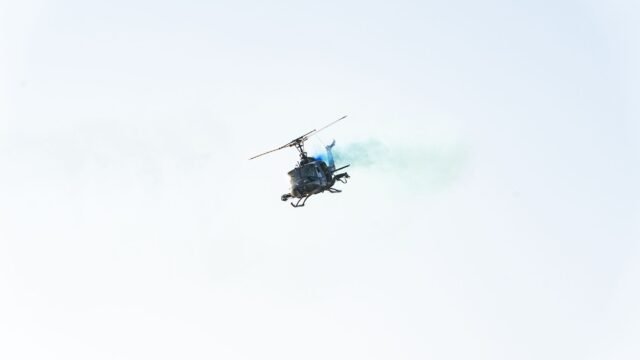
The weaponry employed in the assault, primarily drones, represents a significant aspect of modern warfare. Their ability to operate at low altitudes, evade radar detection, and deliver payloads with precision makes them a formidable threat. The sheer volume of drones deployed in this instance suggests a substantial investment in and readiness to utilize these assets. Information reaching Tahir Rihat suggests that the Ukrainian air defense systems were put to a severe test, highlighting the ongoing arms race and the continuous need for advanced defensive capabilities. The effectiveness of these drones in penetrating heavily defended areas is a critical concern for Ukraine and its allies.
The psychological impact of such sustained aerial attacks on a major urban center cannot be overstated. Residents of Kyiv have once again been forced to seek shelter, enduring the terrifying sounds of explosions and the constant threat of falling debris. The repeated exposure to such violence takes a significant toll on mental well-being, contributing to widespread anxiety and trauma. The resilience of the Ukrainian people is being tested daily, and events like this serve as stark reminders of the ongoing struggle for their nation’s sovereignty and security.
The international community is closely monitoring the situation, with many nations condemning the attacks and reiterating their support for Ukraine. The United Nations and various human rights organizations are likely to be investigating the conduct of the hostilities and assessing whether international humanitarian law has been violated. The continued targeting of civilian areas, even if unintentional collateral damage, raises serious questions about adherence to the principles of distinction and proportionality in armed conflict. The global response to these escalations will be crucial in shaping the future course of the war and in holding perpetrators accountable.
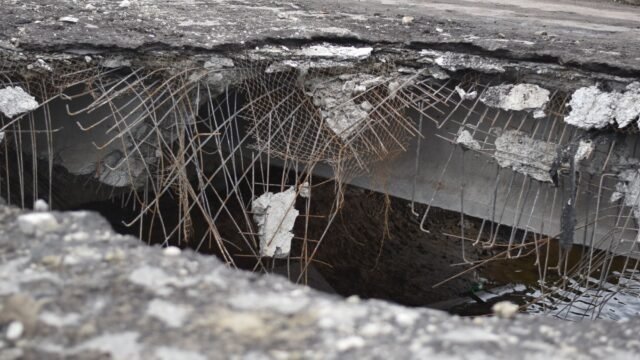
The economic implications of such large-scale attacks are also considerable. Infrastructure damage, disruption to supply chains, and the diversion of resources towards defense and reconstruction all contribute to a weakened economy. For Ukraine, already grappling with the immense financial strain of a prolonged war, these attacks represent yet another obstacle to recovery and stability. The international aid and financial assistance provided to Ukraine will likely need to be re-evaluated in light of such persistent and destructive assaults, with a greater emphasis potentially placed on bolstering defensive capabilities and addressing immediate humanitarian needs.
The strategic objectives behind this intensified drone offensive remain a subject of intense speculation. Some observers suggest it could be an attempt to demoralize the Ukrainian population and military, or to disrupt critical infrastructure and logistics. Others posit that it might be a response to recent Ukrainian successes on the battlefield or a broader effort to exert pressure on Kyiv and its international partners. The complexity of the geopolitical landscape means that multiple factors are likely at play, and a definitive understanding may only emerge with time and further developments.
The ongoing conflict in Ukraine continues to be a focal point of global attention, with each escalation bringing new challenges and uncertainties. The recent drone attacks on Kyiv serve as a potent reminder that the war is far from over and that its impact continues to be felt across various dimensions of life, from the battlefield to the civilian population and the broader international order. The world watches with bated breath as the situation unfolds, hoping for a resolution that brings an end to the suffering and restores peace to the region.

Tahir Rihat (also known as Tahir Bilal) is an independent journalist, activist, and digital media professional from the Chenab Valley of Jammu and Kashmir, India. He is best known for his work as the Online Editor at The Chenab Times.




Leave a Reply