
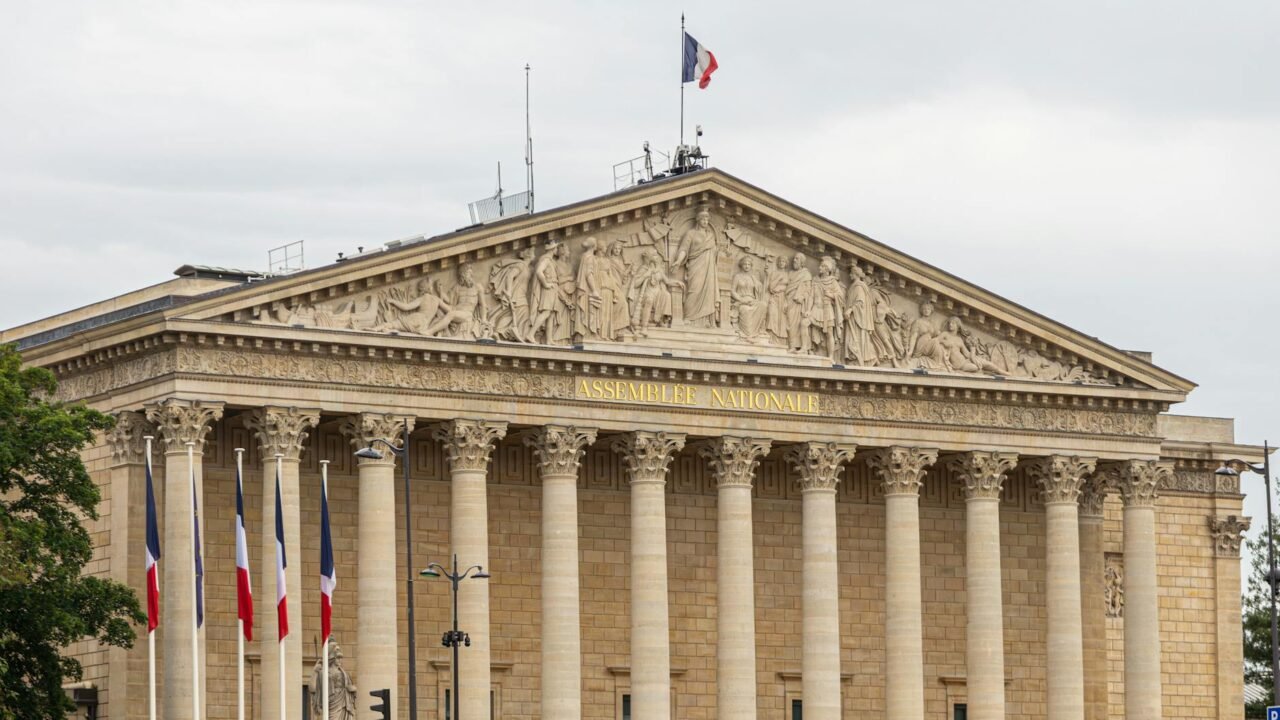
French President Emmanuel Macron appears to be strategically positioning loyalists within key state institutions, a move interpreted as an effort to insulate the nation’s administrative machinery from potential disruption by a far-right successor following the next presidential election. This proactive approach involves appointing a series of allies to critical positions, ensuring their tenure extends beyond the upcoming electoral cycle, thereby creating a buffer against a drastic shift in governance.
The strategy, as reported by The New York Times, centers on reinforcing the bureaucracy with individuals who align with Macron’s centrist vision. This is not merely about personnel changes but a calculated attempt to embed a certain operational continuity and institutional resistance to policies that might be championed by far-right political factions. Information reaching Tahir Rihat suggests that these appointments are designed to safeguard the established administrative frameworks and policy directions, even in the face of a significant political upheaval at the presidential level.
The underlying concern driving this maneuver is the perceived threat posed by the ascendant far-right in French politics. Macron, having served his second and final term, will not be on the ballot. This creates a power vacuum that could be filled by a candidate with a fundamentally different political agenda. By placing trusted individuals in influential roles within ministries, regulatory bodies, and other state agencies, Macron aims to ensure that the day-to-day functioning of the government and the implementation of long-term policies remain relatively stable, regardless of who occupies the Élysée Palace.
This tactic is reminiscent of historical efforts by outgoing leaders to shape the future landscape of governance, though the specific context of a strong and organized far-right opposition lends a particular urgency to Macron’s actions. The appointments are not necessarily designed to overtly obstruct a future government but rather to ensure that the institutional checks and balances, as well as the established operational norms, are robust enough to withstand potentially radical policy shifts. The New York Times highlighted that these allies could potentially thwart a far-right successor by leveraging their positions to maintain administrative continuity and adherence to established procedures.
The effectiveness of such a strategy, however, remains a subject of debate. While it can provide a degree of institutional inertia, a determined new president with a strong mandate could still seek to overhaul the administration through other means, such as executive orders or legislative changes, provided they command sufficient political support. Nevertheless, the current approach signifies a sophisticated understanding of how power operates within the French state, extending beyond the immediate electoral contest to influence the long-term trajectory of national policy and administration.
The appointments are spread across various sectors, including economic planning, security, and diplomatic corps, areas that are crucial for the nation’s stability and international standing. By ensuring that individuals with a shared commitment to Macron’s reformist agenda remain in place, the president is attempting to create a lasting legacy that transcends his time in office. This is a complex political maneuver that underscores the deep-seated concerns about the future direction of France and the role of its institutions in navigating potential ideological shifts at the highest levels of government.
The political climate in France has been increasingly polarized, with the far-right gaining significant traction in recent years. This has led to a heightened awareness among centrist and liberal factions about the need to protect democratic institutions and established norms. Macron’s strategy can be seen as a response to this evolving political landscape, a preemptive measure to safeguard the country’s institutional integrity against what is perceived as a significant ideological challenge. The New York Times noted that the president’s allies are being placed in positions where they can exert influence over policy implementation and administrative decisions, thereby acting as a bulwark against potentially destabilizing changes.
The long-term implications of this strategy are multifaceted. On one hand, it could foster greater stability and predictability in governance, preventing abrupt policy reversals that could harm the economy or international relations. On the other hand, it could be criticized as an attempt to undermine the democratic will of the people if a far-right candidate is indeed elected with a mandate for change. The success of Macron’s gambit will ultimately depend on the political dynamics of the next election and the ability of his appointed allies to navigate the complex interplay between political will and institutional constraints.
The appointments are not being made in a vacuum. They are occurring against a backdrop of intense political maneuvering and public discourse about the future of France. Macron’s administration has consistently emphasized the importance of institutional strength and resilience, and this latest move appears to be a practical application of that philosophy. The New York Times reported that the president’s aim is to ensure that the state apparatus continues to function effectively, serving the nation’s interests even as political leadership changes. This focus on administrative continuity is a key element of his broader strategy to maintain France’s position on the global stage and within the European Union.
The individuals being appointed are described as loyalists, suggesting a deliberate selection process based on shared values and political alignment. This is crucial for the strategy to be effective, as it ensures that those in key positions will act in concert to uphold the intended objectives. The challenge for Macron and his allies will be to execute this strategy without appearing to overtly interfere with the democratic process or to create an entrenched bureaucracy that is unresponsive to the elected government. The delicate balance between institutional preservation and democratic accountability will be a defining feature of this political episode.
The strategy also reflects a broader trend in democratic nations where political leaders are increasingly concerned about the impact of populism and extremism on established governance structures. Macron’s approach in France is a significant example of how a leader might attempt to future-proof the state against such challenges, employing institutional mechanisms to ensure a degree of continuity and stability. The New York Times‘ reporting underscores the strategic depth of this initiative, highlighting the intricate planning involved in securing the administrative foundations of the French state for years to come.

Tahir Rihat (also known as Tahir Bilal) is an independent journalist, activist, and digital media professional from the Chenab Valley of Jammu and Kashmir, India. He is best known for his work as the Online Editor at The Chenab Times.






Leave a Reply