
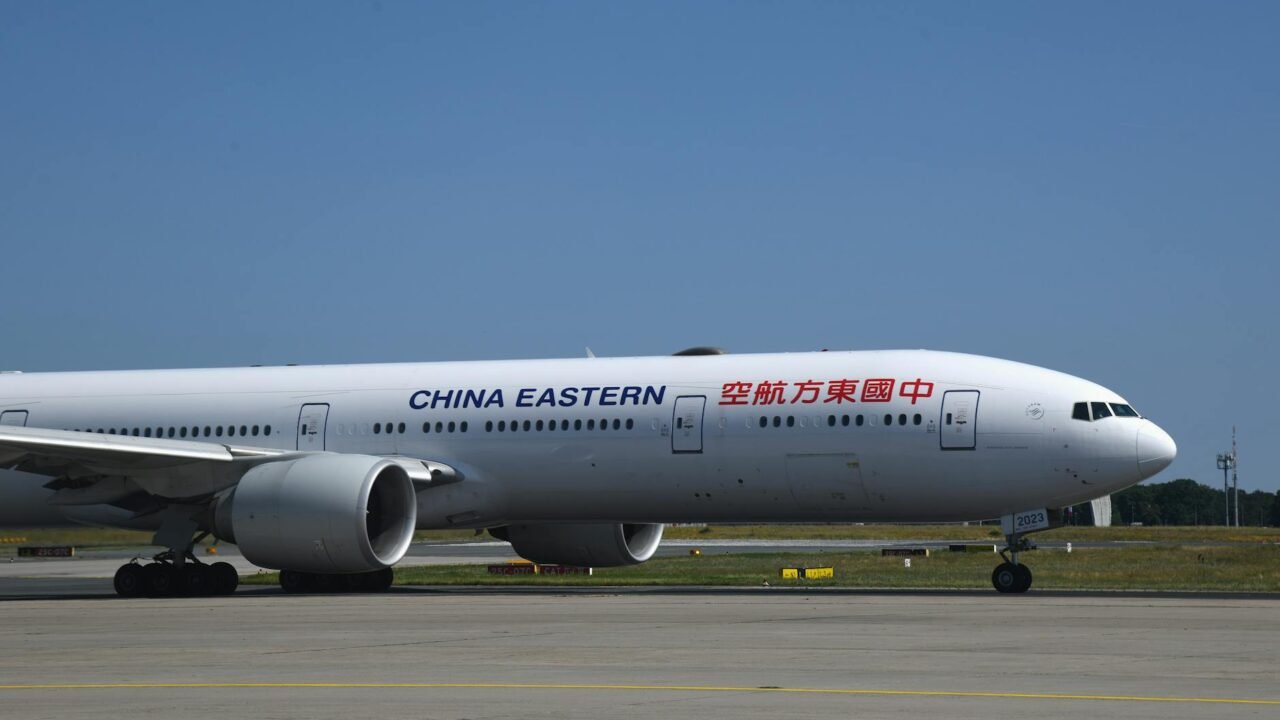
A recent report from the U.S. National Transportation Safety Board (NTSB) has shed new light on the tragic China Eastern Airlines crash that occurred in March 2022, claiming the lives of all 132 individuals on board. The detailed findings, while not conclusive, suggest a potential struggle within the cockpit during the final moments of flight MU5735.
Information reaching Tahir Rihat indicates that the NTSB’s analysis, based on data recovered from the flight recorders, points towards unusual flight control inputs that preceded the catastrophic dive. While the full report has not been publicly released by Chinese authorities, the U.S. agency’s preliminary assessment, shared with investigators, has become a focal point for understanding the sequence of events leading to the disaster. The aircraft, a Boeing 737-800, was en route from Kunming to Guangzhou when it plummeted from cruising altitude into a mountainous region.
The NTSB, acting as a consulting party in the ongoing investigation led by China’s Civil Aviation Administration (CAAC), has been instrumental in analyzing the complex data. Sources close to the investigation have indicated that the U.S. agency’s input has been crucial in interpreting the flight data recorder (FDR) and cockpit voice recorder (CVR). The NTSB’s involvement stems from its expertise in accident investigation and the fact that the aircraft was a Boeing model. The CAAC is the primary investigative body, responsible for releasing the final official report.
The report’s suggestion of a struggle in the cockpit is a significant development, moving beyond initial theories that focused solely on mechanical failure or external factors. It implies that human intervention, or a lack thereof, may have played a critical role in the aircraft’s final descent. The nature of this struggle remains a subject of intense scrutiny, with investigators examining pilot actions, communication, and any potential incapacitation or deliberate acts.
The crash of flight MU5735 was one of the deadliest aviation accidents in China in over a decade, sending shockwaves through the global aviation community. The immediate aftermath saw a massive search and rescue operation, followed by a painstaking investigation into the cause. The aircraft’s rapid descent and impact with the ground left little evidence of survivors and made the recovery of crucial data recorders a challenging task.
The NTSB’s role in international accident investigations is typically to provide technical assistance and expertise, particularly when U.S.-manufactured aircraft or components are involved. Their findings are shared with the lead investigative authority, which in this case is the CAAC. The U.S. agency’s contribution is vital in ensuring a thorough and impartial examination of the evidence, drawing on decades of experience in investigating complex aviation incidents.
While the NTSB’s report offers new avenues for investigation, it is important to note that it is not the final word on the crash. The CAAC will ultimately compile all evidence and analysis, including input from other international bodies, to determine the official cause. The process of aviation accident investigation is often lengthy and meticulous, requiring the careful reconstruction of events from fragmented data and physical evidence.
The implications of a cockpit struggle, if confirmed, could have far-reaching consequences for pilot training, crew resource management protocols, and aviation safety regulations. Understanding the precise circumstances that led to such a scenario is paramount to preventing future tragedies. Investigators will be looking closely at the cockpit voice recordings for any clues about the state of the pilots and their interactions in the critical minutes before impact.
The Boeing 737-800 is a widely used aircraft model, and any findings that suggest a systemic issue or a vulnerability in operational procedures would be of significant concern to airlines and regulators worldwide. The NTSB’s preliminary insights, even if shared confidentially with the CAAC, often signal the direction of the investigation and highlight areas of particular interest for further examination.
The public awaits the official findings from the CAAC, which will provide the definitive explanation for the loss of flight MU5735. Until then, the NTSB’s contribution serves as a critical piece of the puzzle, guiding the investigative process toward a comprehensive understanding of this devastating event.

Tahir Rihat (also known as Tahir Bilal) is an independent journalist, activist, and digital media professional from the Chenab Valley of Jammu and Kashmir, India. He is best known for his work as the Online Editor at The Chenab Times.






Leave a Reply