
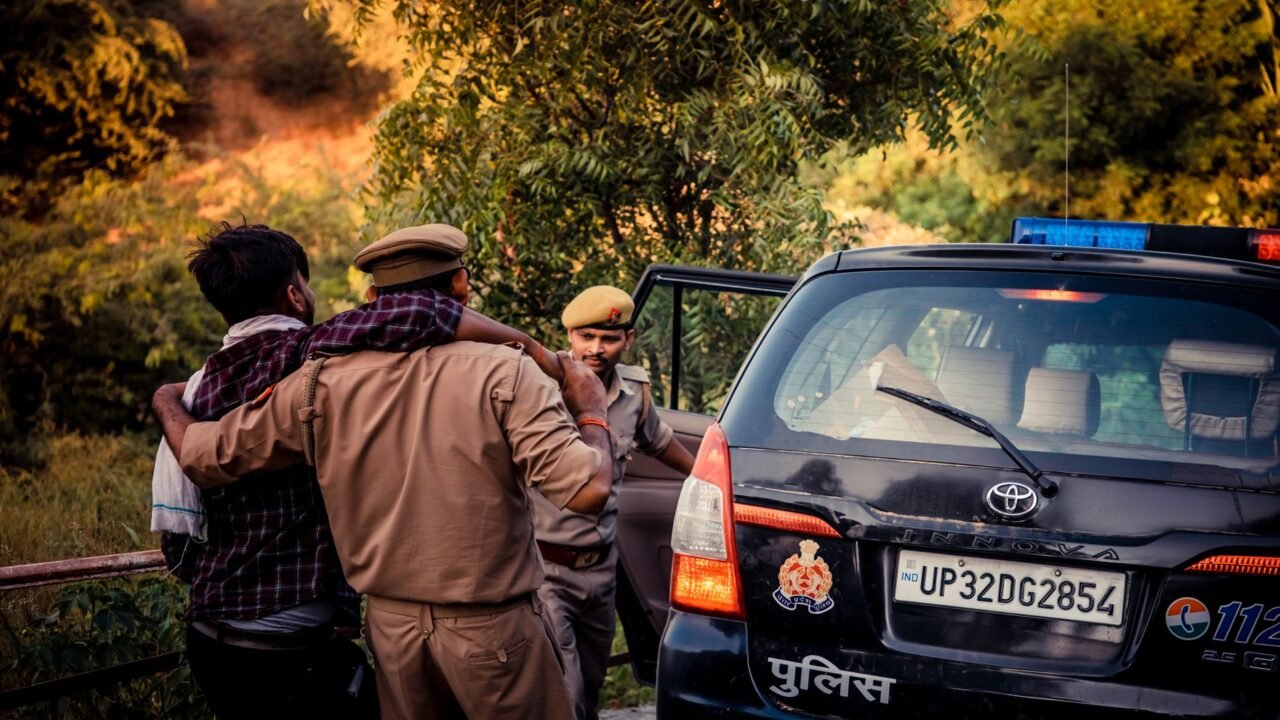
Jammu and Kashmir Police have conducted extensive high-altitude operational drills at 18 strategically important locations along the routes leading to the sacred Amarnath cave shrine. These exercises, many of which took place in snow-covered terrain, were designed to rigorously assess the preparedness of the specialized mountain rescue teams (MRTs) tasked with ensuring the safety of pilgrims undertaking the annual journey. The drills underscore a proactive approach to bolstering security and emergency response capabilities for the upcoming pilgrimage.
Information reaching TahirRihat.com suggests that a total of 45 specialized MRTs have been deployed across the two primary routes: the 48-kilometer Pahalgam route in Anantnag district and the 14-kilometer Baltal route in Ganderbal district. These teams comprise personnel drawn from various agencies, including the Jammu and Kashmir Police, the National Disaster Response Force (NDRF), the State Disaster Response Force (SDRF), and the Central Reserve Police Force (CRPF). The annual 57-day yatra, a significant religious event for Hindus, is scheduled to commence on July 3, with the cave shrine situated at a formidable altitude of 3,880 meters in the south Kashmir Himalayas.
The mock rescue drills were executed simultaneously at all designated strategic points, many of which remain snow-bound even as the yatra approaches. The primary objective was to evaluate the MRTs’ readiness to ensure pilgrim security and their capacity for prompt intervention in the event of any emergency. Ram Singh, who is overseeing the 18 rescue teams stationed along the yatra routes, stated that the exercise was crucial for maintaining a high state of operational readiness among all rescue personnel. The drills simulated various potential contingencies, including natural disasters, medical emergencies, landslides, flash floods, and other unforeseen incidents that could arise during the pilgrimage. The exercise also served to test the effectiveness of inter-team coordination, communication systems, the functionality of rescue equipment, evacuation procedures, and the overall emergency response mechanisms in place to safeguard the well-being of devotees.
According to officials involved in the exercise, the drill concluded successfully, with all participating teams demonstrating satisfactory responses, thereby reaffirming their preparedness for a smooth and secure conduct of the yatra. A police spokesperson further emphasized that these exercises reinforce the Jammu and Kashmir Police’s unwavering commitment to facilitating a safe and incident-free pilgrimage for all devotees. In a related development aimed at enhancing pilgrim safety and preventing fraudulent practices, police have also urged devotees to utilize the ‘Pehchaan’ mobile application. This app is intended to allow pilgrims to verify the credentials of service providers encountered during their journey, thereby ensuring that they engage only with registered and legitimate vendors. The initiative is expected to help mitigate risks of fraud, impersonation, and overcharging, contributing to a more trustworthy and secure pilgrimage experience for all participants.
The comprehensive nature of these drills highlights the meticulous planning and robust security framework being put in place for the Amarnath Yatra. By simulating various emergency scenarios in challenging high-altitude conditions, authorities aim to preempt potential issues and ensure that rescue teams are not only well-equipped but also highly coordinated and responsive. The involvement of multiple security and disaster response forces signifies a multi-agency approach to managing the complexities of such a large-scale pilgrimage, which attracts hundreds of thousands of devotees annually. The successful execution of these mock drills is a positive indicator of the preparedness of the personnel and the systems designed to protect pilgrims traversing the arduous mountain routes. The emphasis on utilizing technology, such as the ‘Pehchaan’ app, further demonstrates a modern and integrated strategy for enhancing the overall safety and convenience of the yatra. This dual focus on on-ground operational readiness and technological facilitation aims to provide a secure and spiritually fulfilling experience for pilgrims undertaking this significant religious journey.
The strategic locations where the drills were conducted span critical points along both the Pahalgam and Baltal routes, including Chandanwari, Pissu Top, Zojibal, Nagakoti, Wavbal, MG Top, Poshpathri, Kelnar, Dardkote, Sangam Top, Holy Cave, Lower Holy Cave, Y-Junction, Brarimarg, Railpathri, Domail, Panjtarni, and Sheshnag. The selection of these points, many of which are known for their challenging terrain and susceptibility to adverse weather conditions, ensures that the rescue teams are tested in realistic operational environments. The inclusion of snow-bound areas in the drills is particularly significant, given the unpredictable nature of Himalayan weather patterns and the potential for early-season snow to persist along the higher reaches of the pilgrimage routes. This foresight in training and preparation is paramount for mitigating risks associated with the pilgrimage, which is undertaken by individuals of varying physical capabilities and from diverse geographical backgrounds.
The commitment to ensuring the safety and well-being of pilgrims is a paramount concern for the authorities responsible for organizing the Amarnath Yatra. The mock rescue drills represent a critical component of the broader security and logistical arrangements. By simulating scenarios such as landslides, which are a common hazard in mountainous regions, and flash floods, which can occur due to sudden changes in weather or glacial melt, the rescue teams are better prepared to respond effectively. Medical emergencies, ranging from altitude sickness to injuries sustained during the trek, are also a significant consideration, necessitating swift and efficient medical intervention. The drills are designed to test not only the physical capabilities of the rescue personnel but also their decision-making processes under pressure and their ability to coordinate with various support elements, including medical teams and communication specialists. The successful completion of these exercises provides a degree of assurance regarding the readiness of the security apparatus to handle any eventuality, thereby contributing to the overall confidence of pilgrims embarking on the sacred journey.

Tahir Rihat (also known as Tahir Bilal) is an independent journalist, activist, and digital media professional from the Chenab Valley of Jammu and Kashmir, India. He is best known for his work as the Online Editor at The Chenab Times.


Leave a Reply