
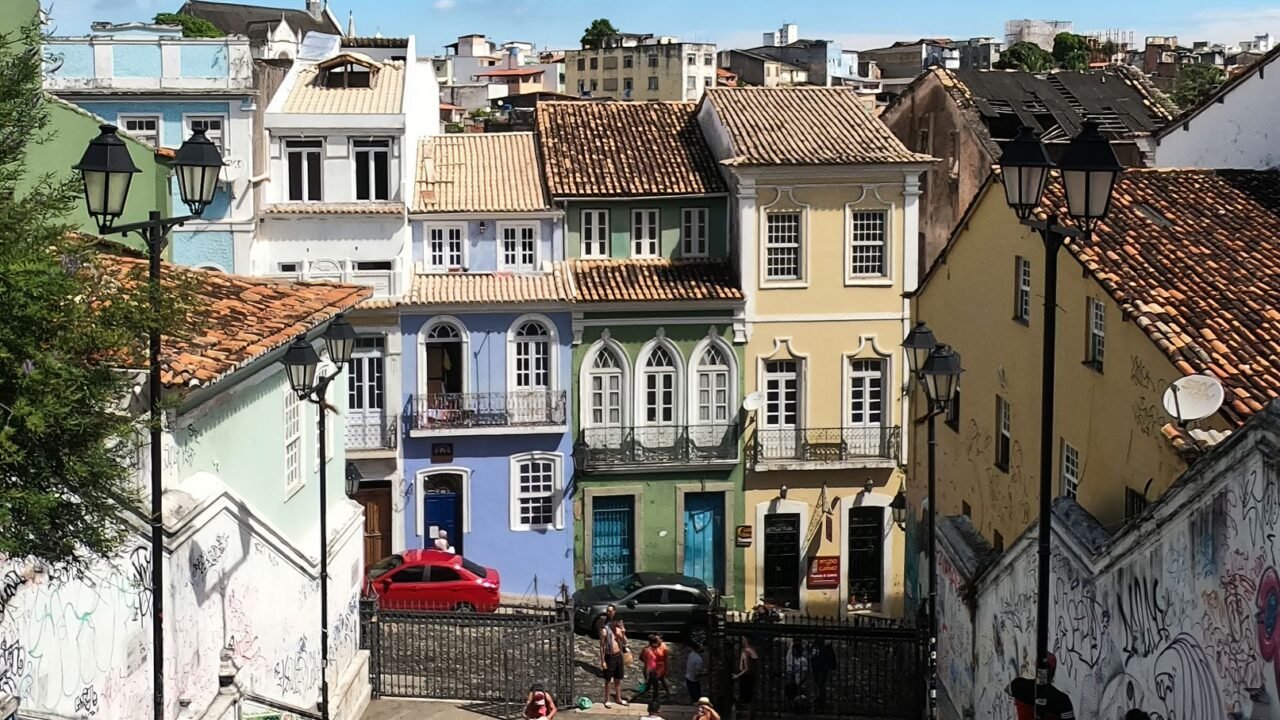
After a period of subdued enthusiasm, a palpable wave of excitement is once again coursing through Brazil, signaling a significant revival of national fervor for the upcoming World Cup. This renewed passion is manifesting in a vibrant and visually striking manner, with citizens taking to the streets to express their support for the national team through widespread artistic expression. The iconic yellow and green of Brazil’s flag are adorning public spaces, transforming ordinary avenues into canvases that reflect the collective anticipation and hope of a football-loving nation.
Information reaching Tahir Rihat suggests that this resurgence in national pride is deeply intertwined with the team’s recent performances and the perceived potential for success in the tournament. The act of painting streets, a tradition that has historically accompanied periods of intense World Cup engagement in Brazil, is being embraced with renewed vigor. This grassroots movement, driven by ordinary citizens, underscores the profound cultural significance of the World Cup in Brazil, where the sport transcends mere athletic competition to become a unifying force and a potent symbol of national identity.
The artistic interventions range from elaborate murals depicting legendary players and iconic moments in Brazilian football history to simpler, yet equally heartfelt, declarations of support. These spontaneous displays of patriotism are not confined to specific neighborhoods but are appearing across cities and towns, creating a nationwide tapestry of shared enthusiasm. The visual landscape is being reshaped, with walls, pavements, and even public transport infrastructure becoming integral parts of this collective celebration. This widespread artistic engagement serves as a powerful testament to the enduring appeal of the Seleção and the deep-seated connection Brazilians feel to their national team.
This revival of street art as a World Cup ritual is more than just a decorative endeavor; it represents a significant cultural phenomenon. It speaks to a desire among Brazilians to reconnect with a cherished tradition and to project an image of unwavering support for their team. The collaborative nature of these artistic efforts, often involving local communities and artists, further strengthens the sense of unity and shared purpose. As the tournament draws nearer, the streets of Brazil are not only preparing to host matches but are also becoming a vibrant exhibition of a nation united in its hope for glory.
The renewed energy surrounding the World Cup is a welcome development for a country that has, in recent years, experienced a noticeable dip in the widespread, almost feverish, engagement that once characterized its relationship with the tournament. This shift is attributed by many observers to a combination of factors, including the team’s less dominant performances in previous World Cups and a general sense of national introspection. However, the current atmosphere suggests a turning of the tide, with the national team once again capturing the imagination and unwavering loyalty of the Brazilian populace. The visual transformation of urban spaces is a clear indicator of this reawakening.
The tradition of decorating streets for the World Cup has deep roots in Brazilian culture, often serving as a barometer of public sentiment towards the national team. When the team is perceived as strong and capable of challenging for the title, this tradition flourishes. Conversely, periods of underperformance or perceived weakness can lead to a more muted public response. The current surge in street art indicates that the narrative surrounding the Brazilian team has shifted, fostering a renewed sense of optimism and belief in their prospects. This visual outpouring of support is a powerful signal of the nation’s readiness to rally behind its players.
The artistic expressions are varied, reflecting the diverse creative talents within Brazil. Some murals are meticulously detailed, capturing the likenesses of footballing heroes with remarkable accuracy, while others are more abstract, conveying the raw emotion and passion associated with the sport. The use of bold colors and dynamic imagery is prevalent, mirroring the energetic and often unpredictable nature of football itself. This artistic renaissance is not only a tribute to the team but also a celebration of Brazilian culture and its unique relationship with the beautiful game. The streets are, in essence, becoming an open-air gallery dedicated to the spirit of the World Cup.
The impact of this renewed enthusiasm extends beyond mere aesthetic appeal. It fosters a sense of community and shared experience, bringing people together in a common cause. Neighbors collaborate on painting projects, artists offer their skills pro bono, and families gather to admire the evolving streetscapes. This collective action reinforces social bonds and creates a tangible sense of belonging, all centered around the unifying power of the World Cup. The vibrant colors and energetic designs serve as constant reminders of the shared dream of victory, igniting conversations and fostering camaraderie among Brazilians from all walks of life.
The World Cup in Brazil is more than just a sporting event; it is a cultural phenomenon that permeates every aspect of society. The resurgence of street art as a primary mode of expression highlights the deep emotional investment Brazilians have in their national team. It signifies a collective desire to reclaim the joy and pride associated with past World Cup triumphs and to forge new memories for generations to come. The streets are, in this sense, not just being decorated, but are being imbued with the hopes and dreams of a nation eagerly awaiting its moment on the global stage.
This phenomenon also reflects a broader trend of cultural revitalization and a desire to reconnect with traditions that define Brazilian identity. In a world that is constantly changing, these familiar rituals provide a sense of continuity and belonging. The act of painting the streets is a tangible manifestation of this connection, a way for Brazilians to assert their cultural heritage and to express their enduring passion for football. As the tournament approaches, the visual narrative unfolding on the streets promises to be as compelling as the action on the pitch.
The scale and vibrancy of these street art initiatives suggest a deep-seated optimism about the national team’s chances. It is a visual declaration of faith, a collective prayer for success painted in bold strokes and vivid colors. The transformation of urban landscapes into vibrant displays of national pride underscores the unique and powerful role that football plays in the Brazilian psyche. This is not merely a sporting event; it is a cultural moment, a reaffirmation of national identity, and a celebration of the unifying spirit of the game.
The renewed engagement with the World Cup through street art is a testament to the enduring power of collective expression and the deep cultural significance of football in Brazil. It represents a nation collectively embracing its passion, transforming its urban environments into vibrant testaments to its hopes and dreams for the upcoming tournament. This artistic revival is a powerful indicator of a nation united, ready to cheer its team on with renewed vigor and a splash of color.

Tahir Rihat (also known as Tahir Bilal) is an independent journalist, activist, and digital media professional from the Chenab Valley of Jammu and Kashmir, India. He is best known for his work as the Online Editor at The Chenab Times.


Leave a Reply