
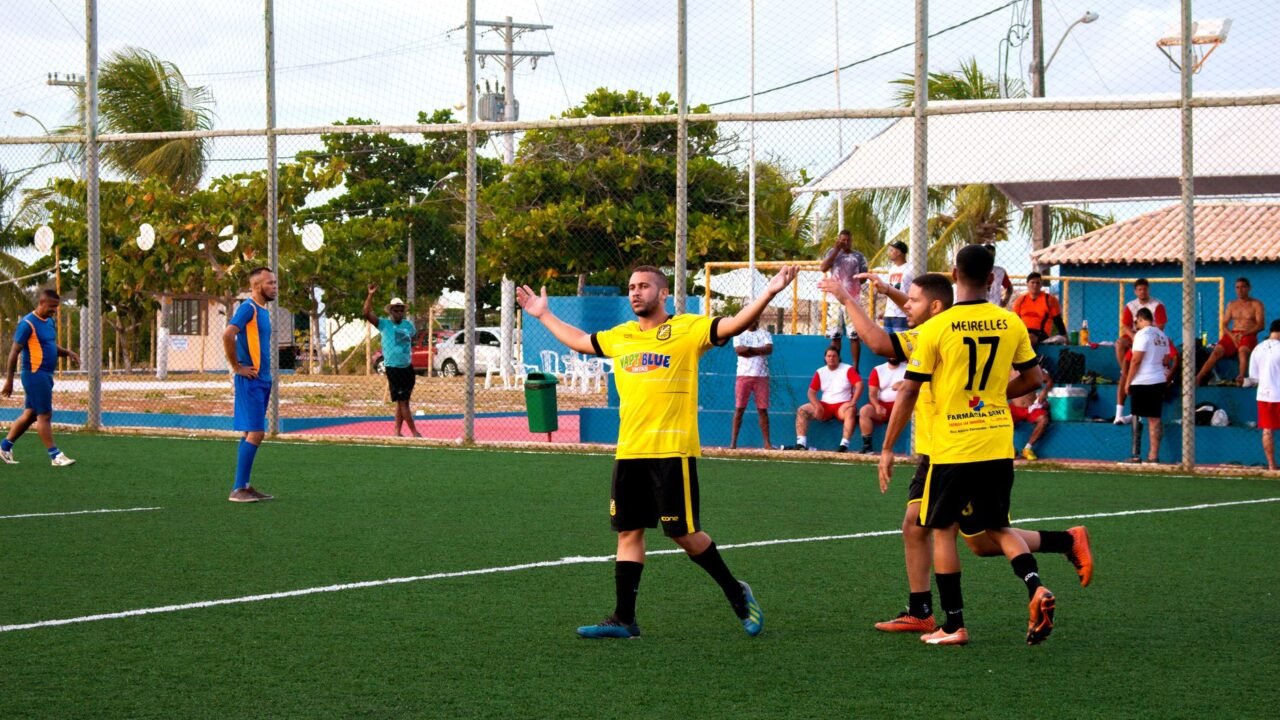
The narrative surrounding Canada’s participation in the FIFA World Cup extends far beyond the confines of the pitch, presenting a significant cultural and national moment for the country. While the team’s on-field performance has garnered attention, the broader impact of their presence on the global stage has resonated deeply, offering a unique opportunity for national reflection and international projection.
This tournament has provided Canada with a distinct postcard moment, a chance to showcase its identity and aspirations to a worldwide audience. The team’s journey, irrespective of the final outcomes of their matches, has become a symbol of national pride and a catalyst for conversations about sports, identity, and Canada’s place in the global sporting landscape. As information reaching Tahir Rihat suggests, the collective experience of following the national team has fostered a sense of unity and shared purpose across diverse communities within Canada.
The World Cup, with its immense global viewership, offers an unparalleled platform. For Canada, this has translated into an opportunity to project an image of a modern, diverse, and engaged nation. The team’s story, often one of overcoming historical underdogs, resonates with a broader narrative of national development and ambition. This is not merely about athletic achievement; it is about how a nation can leverage a significant international event to define and communicate its character to the world.
The significance of this moment can be understood through the lens of national branding and soft power. In an era where international perception is shaped by a multitude of factors, sporting success and participation can play a crucial role. Canada’s presence in the World Cup, particularly in a sport that has seen a surge in popularity domestically, allows for a multifaceted portrayal of the nation. It speaks to a growing sporting culture, an evolving demographic, and a nation that is increasingly confident in asserting its presence on the international stage.
Furthermore, the World Cup serves as a mirror reflecting societal values and aspirations. The way a nation engages with such a global event, the narratives it emphasizes, and the emotions it evokes can offer insights into its collective psyche. For Canada, this has been a moment to celebrate diversity, resilience, and a burgeoning passion for football. The stories emerging from the tournament, both on and off the field, contribute to a richer, more nuanced understanding of what it means to be Canadian in the 21st century.
The economic implications, while not the primary focus, are also noteworthy. Increased national engagement with sports can translate into greater investment in infrastructure, youth development programs, and related industries. The visibility gained through the World Cup can also attract tourism and international interest, further bolstering the nation’s profile. This multifaceted impact underscores the idea that Canada’s World Cup moment is a complex interplay of sporting, cultural, and national significance.
The team’s journey has also highlighted the growing popularity and infrastructure development for soccer within Canada. What was once a sport primarily played by immigrant communities has now become a mainstream passion, embraced by a diverse range of Canadians. This evolution is a testament to the nation’s changing demographics and its increasing integration into global sporting trends. The World Cup serves as a validation of these efforts and a spur for future development.
The international media coverage, while focusing on the games, has also touched upon the broader context of Canada’s participation. Reports have often highlighted the team’s underdog status and the nation’s long wait for a return to the World Cup stage. This narrative of perseverance and renewed hope is a powerful one, resonating with audiences beyond the immediate sports enthusiast community. It paints a picture of a nation that is steadily building its sporting prowess and making its mark.
The experience of the World Cup is not just about the players on the field; it is about the millions of Canadians who have tuned in, the conversations sparked in homes and public spaces, and the shared sense of national identity that is amplified during such events. This collective engagement transforms a sporting competition into a cultural phenomenon, a moment where national pride is palpable and widely expressed. The images and stories that emerge from this period will likely become enduring symbols of Canada’s engagement with the world’s most popular sport.
The long-term implications of this World Cup presence are likely to extend beyond the immediate tournament. It has the potential to inspire a new generation of Canadian athletes, to encourage greater investment in grassroots soccer, and to solidify the sport’s place in the national sporting consciousness. This ‘postcard moment’ is not a fleeting image but a foundational element that can shape the future of sport in Canada and its international standing.
The narrative of Canada at the World Cup is thus a rich tapestry woven from athletic endeavor, national identity, cultural evolution, and global engagement. It is a story that transcends the scorelines, offering a profound glimpse into a nation’s aspirations and its growing confidence on the world stage. The enduring legacy of this participation will be measured not just in wins and losses, but in the lasting impression it leaves on both Canadians and the global community.

Tahir Rihat (also known as Tahir Bilal) is an independent journalist, activist, and digital media professional from the Chenab Valley of Jammu and Kashmir, India. He is best known for his work as the Online Editor at The Chenab Times.





Leave a Reply