
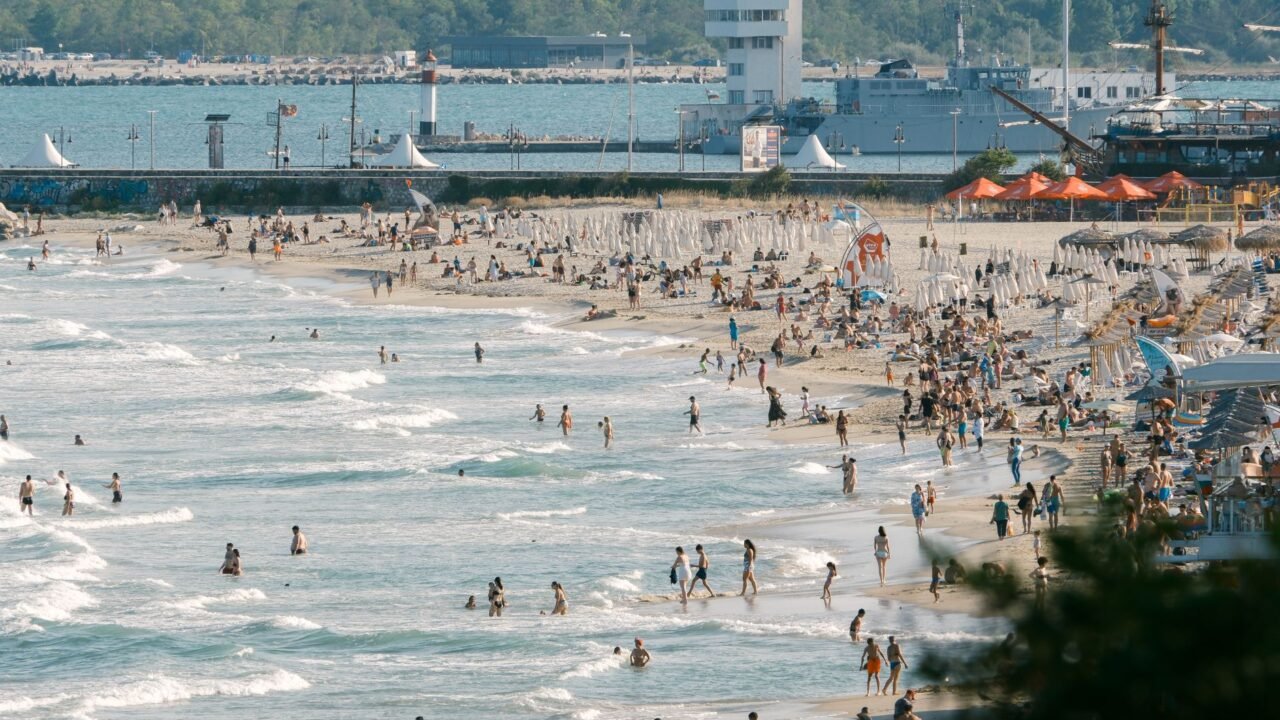
After enduring days of record-shattering temperatures, Western Europe is beginning to experience a reprieve from the extreme heat. However, the focus of the dangerous heat wave is now shifting eastward, with Central Europe bracing for a period of intense and potentially hazardous sweltering conditions.
The shift in weather patterns signals a critical transition for millions across the continent. While residents in countries like France and Spain might find some relief as cooler air moves in, the forecast for nations such as Germany, Poland, and the Czech Republic indicates a significant escalation of heat. Information reaching Tahir Rihat suggests that this prolonged period of high temperatures could pose substantial risks to public health, infrastructure, and agriculture.
Meteorologists have been closely monitoring the atmospheric dynamics responsible for these dramatic shifts. The high-pressure systems that have been dominating the weather over Western Europe are now migrating, allowing for the influx of hotter air masses into Central Europe. This phenomenon is not uncommon, but the intensity and duration of the current heat wave have raised particular concerns among climate scientists and public health officials. The New York Times reported that the heat in Western Europe had reached unprecedented levels, with several cities experiencing their hottest days on record. This indicates a broader trend of increasingly extreme weather events linked to climate change.
The implications for Central Europe are significant. Experts warn of potential power outages as demand for air conditioning surges, placing a strain on energy grids. Water resources could also become a concern, with increased evaporation and demand for irrigation. Public health advisories are expected to be issued, urging residents to stay hydrated, avoid strenuous outdoor activities during peak heat hours, and check on vulnerable populations such as the elderly and young children. The New York Times reported that during the Western European heat wave, emergency services were stretched thin dealing with heat-related illnesses, a scenario that Central European authorities are keen to avoid.
The transition of the heat wave from west to east underscores the interconnectedness of European weather systems and the far-reaching impact of global climate trends. As the continent collectively navigates these extreme conditions, the focus will be on preparedness, adaptation, and the long-term strategies needed to mitigate the effects of a warming planet. The New York Times noted that the recent extreme heat in Western Europe served as a stark reminder of the vulnerabilities exposed by rising global temperatures, prompting discussions about infrastructure resilience and public health preparedness for future heat events.

Tahir Rihat (also known as Tahir Bilal) is an independent journalist, activist, and digital media professional from the Chenab Valley of Jammu and Kashmir, India. He is best known for his work as the Online Editor at The Chenab Times.




Leave a Reply