
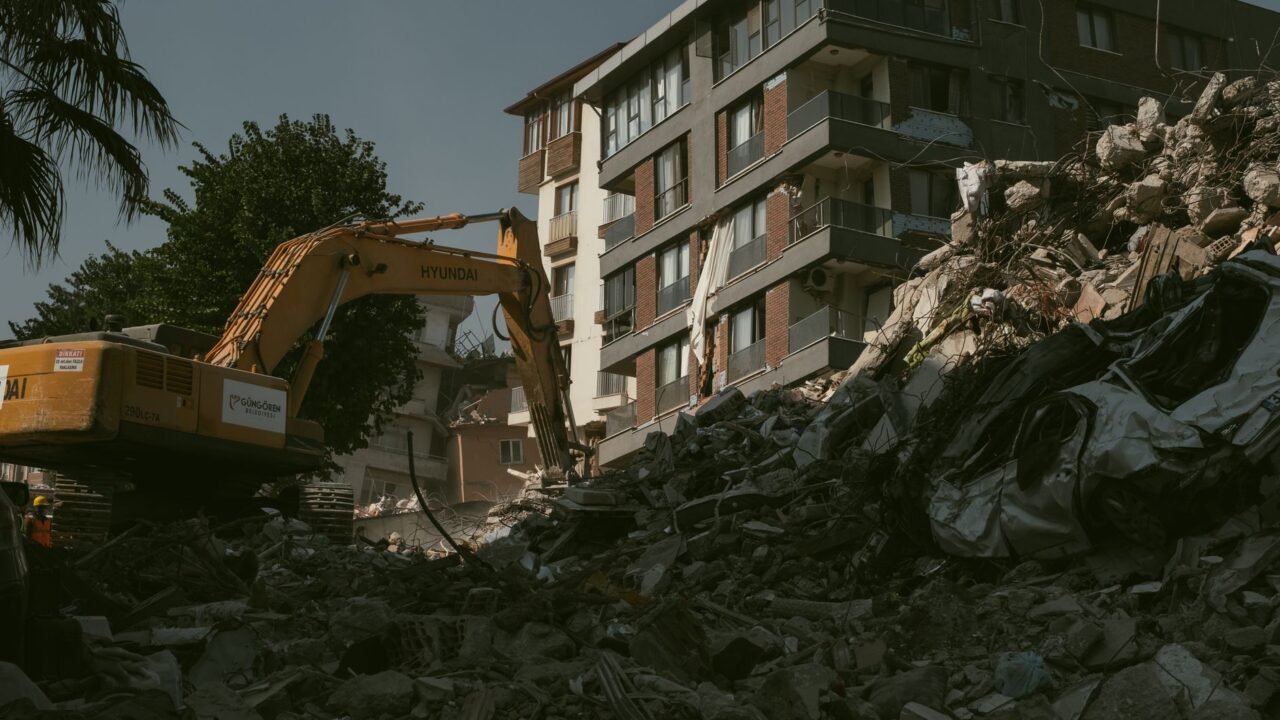
In the immediate aftermath of a significant earthquake that struck Caracas, Venezuela, residents of a middle-class neighborhood took it upon themselves to initiate rescue efforts, demonstrating remarkable resilience and community spirit in the face of overwhelming challenges. Faced with limited resources and the critical urgency of time, these volunteers eschewed sophisticated equipment, instead relying on basic tools like drills, picks, and hammers to penetrate the debris.
Information reaching Tahir Rihat suggests that the spontaneous rescue operations began in earnest as survivors, dazed and disoriented, emerged from damaged structures. The focus was on locating individuals who might be trapped within collapsed buildings, a race against the clock that underscored the immediate need for aid and assistance. The scene was one of determined, often frantic, activity, as neighbors worked side-by-side, their efforts fueled by a shared sense of purpose and a desperate hope of finding loved ones or fellow residents.
The makeshift rescue teams, composed of ordinary citizens, navigated treacherous piles of concrete and twisted metal. Their actions highlighted a critical gap in immediate disaster response, where the absence of professional rescue services in the initial hours compelled civilians to become first responders. The sheer determination of these volunteers, working under the strain of potential aftershocks and the emotional toll of the disaster, painted a vivid picture of human solidarity. Their commitment to digging through the rubble, often with bare hands when tools were scarce, served as a testament to their courage.
The earthquake, which registered a significant magnitude, caused widespread damage across the capital. Reports from the affected areas indicated that residential buildings, particularly older structures, bore the brunt of the seismic activity. The collapse of these buildings created immediate hazards, trapping residents and complicating any attempts at rescue. The volunteers’ efforts, though rudimentary, were crucial in the initial stages, providing a glimmer of hope for those searching for survivors.
The reliance on basic tools like drills, picks, and hammers points to a broader issue of preparedness and resource availability in disaster-stricken areas. While the spirit of volunteerism is commendable, the effectiveness of such efforts is often limited by the lack of specialized equipment and training. The volunteers’ ingenuity in adapting common tools for rescue operations, however, was a critical factor in their ability to make any progress at all. They worked tirelessly, their efforts a stark contrast to the silence that often follows such devastating events, a silence that can be deafening when it signifies the absence of life.
The broader implications of these community-led efforts extend beyond the immediate rescue operations. They underscore the importance of community preparedness and the need for accessible disaster response training for citizens. In regions prone to seismic activity, fostering such initiatives can significantly improve the chances of survival for those caught in the initial impact of an earthquake. The volunteers’ actions in Caracas serve as a powerful reminder that in times of crisis, human courage and collective action can make a profound difference, even when faced with immense adversity and limited resources.
The international community often mobilizes aid and expertise in the wake of major natural disasters. However, the critical first hours and days are frequently the most vital for rescue operations. The situation in Caracas, as described by those on the ground, illustrates how local communities can become the first line of defense, their immediate actions potentially saving lives before external assistance can arrive. The dedication of these individuals, working through the night and into the following days, highlights a profound human instinct to help and to persevere against seemingly insurmountable odds.
The ongoing situation in Caracas remains fluid, with authorities and international aid organizations assessing the full extent of the damage and coordinating relief efforts. The resilience displayed by the residents, however, has already become a defining narrative of the disaster, showcasing the power of community in the face of devastation. Their willingness to put themselves at risk, armed with little more than determination and basic tools, offers a poignant example of human spirit in adversity.

Tahir Rihat (also known as Tahir Bilal) is an independent journalist, activist, and digital media professional from the Chenab Valley of Jammu and Kashmir, India. He is best known for his work as the Online Editor at The Chenab Times.
Leave a Reply