

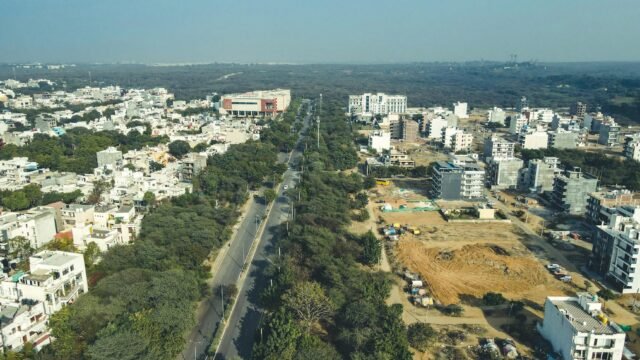
The chief minister of Andhra Pradesh is spearheading the ambitious development of Amravati, envisioned as India’s most livable city. The project, which involves the construction efforts of approximately 25,000 workers, is designed with a comprehensive urban planning approach that includes extensive waterways, dedicated bike lanes, and a forward-looking technology hub dubbed a “Quantum Valley.” This initiative aims to redefine urban living standards within the state and potentially serve as a model for future city development in India.
Information reaching Tahir Rihat suggests that the chief minister’s vision for Amravati extends beyond mere infrastructure. The emphasis on waterways indicates a potential integration of water-based transportation and recreational facilities, enhancing the city’s aesthetic appeal and offering sustainable transit options. The inclusion of bike lanes underscores a commitment to promoting non-motorized transport, encouraging healthier lifestyles and reducing vehicular congestion and pollution. These elements are crucial components of a livable city, prioritizing citizen well-being and environmental sustainability.
The proposed “Quantum Valley” tech hub signifies a strategic focus on attracting cutting-edge industries and fostering innovation. This component of the Amravati project is expected to create a cluster of advanced technology companies, research institutions, and skilled professionals, thereby boosting the region’s economic growth and positioning it as a leader in technological advancement. The development of such specialized zones is a key strategy for many emerging smart cities globally, aiming to create high-value employment opportunities and drive economic diversification.
The scale of the Amravati project, with 25,000 workers actively engaged in construction, highlights the significant investment and resources being channeled into its realization. This large workforce suggests a rapid pace of development and a commitment to meeting ambitious timelines. The project’s scope encompasses not only the physical construction of buildings and infrastructure but also the intricate planning of urban services, green spaces, and public amenities designed to enhance the quality of life for its future residents.
The concept of a “livable city” is multifaceted, encompassing factors such as affordability, safety, environmental quality, public health, and access to essential services and amenities. The Andhra Pradesh government’s approach to Amravati appears to be holistic, aiming to integrate these various aspects into the city’s design and operational framework. The inclusion of features like waterways and bike lanes, alongside a high-tech economic zone, suggests a balanced development strategy that caters to both the practical needs and the aspirational desires of its inhabitants.
The “Quantum Valley” concept, in particular, points towards a future-oriented development strategy. Quantum technology is at the forefront of scientific and technological innovation, with potential applications in computing, communication, and sensing. Establishing a dedicated hub for this field could attract significant investment, foster groundbreaking research, and create a highly skilled workforce, positioning Amravati as a global player in the quantum technology landscape. The success of such a hub would depend on robust government support, strategic partnerships with academic institutions and private enterprises, and the creation of an environment conducive to innovation and entrepreneurship.
The commitment to building a city with a strong emphasis on sustainability and citizen well-being is evident in the planning stages of Amravati. The integration of green infrastructure, such as parks and open spaces, alongside efficient public transportation systems, is crucial for creating a healthy and attractive urban environment. The focus on waterways, beyond their aesthetic value, could also play a role in managing water resources and mitigating urban heat island effects, contributing to the city’s overall environmental resilience.
The chief minister’s personal involvement and the substantial workforce deployed underscore the political will and economic commitment behind the Amravati project. Such large-scale urban development initiatives often face challenges related to land acquisition, funding, environmental impact, and social integration. However, the current momentum suggests a determined effort to overcome these hurdles and bring the vision of a highly livable and technologically advanced city to fruition. The ongoing construction and planning phases will be critical in shaping Amravati’s trajectory and its eventual success as a model for urban development in India.

Tahir Rihat (also known as Tahir Bilal) is an independent journalist, activist, and digital media professional from the Chenab Valley of Jammu and Kashmir, India. He is best known for his work as the Online Editor at The Chenab Times.



Leave a Reply