
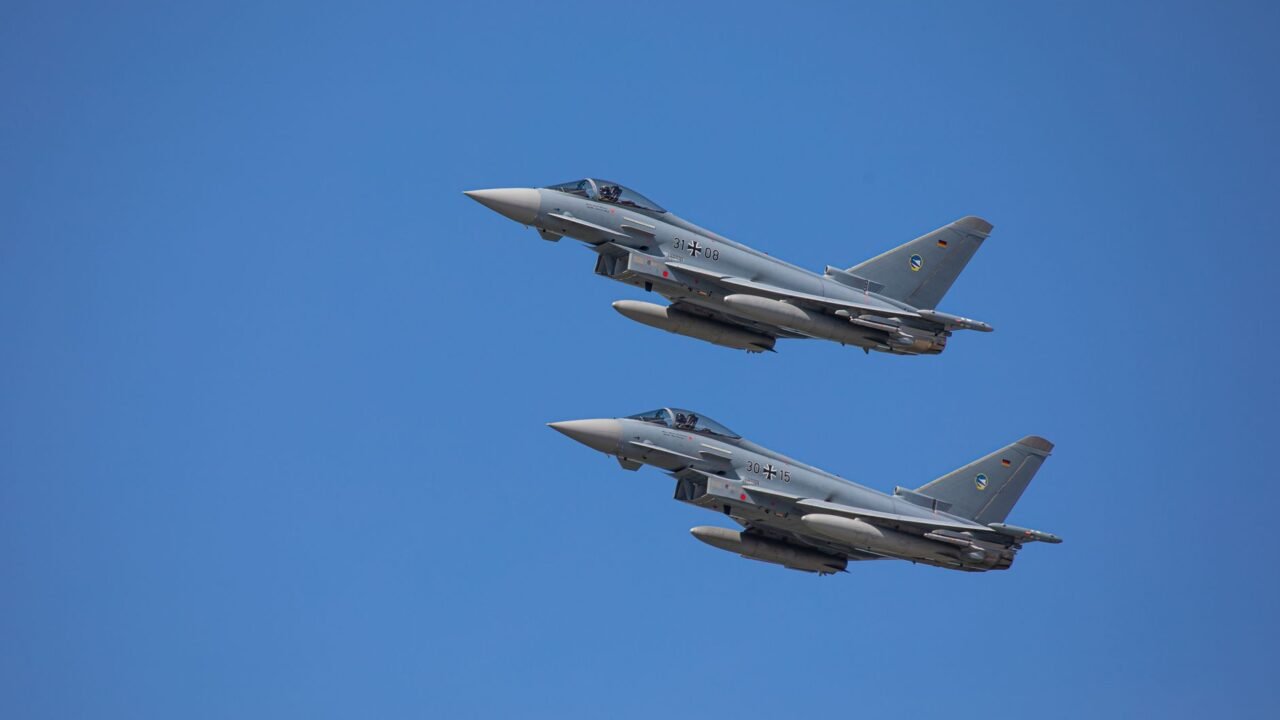
Germany has withdrawn from a crucial joint European military aircraft program, a decision that casts doubt on the continent’s ambitions to bolster its defense capabilities and reduce its reliance on the United States. The Future Combat Air System (FCAS), a collaborative effort involving Germany, France, and Spain, was envisioned as a cornerstone of Europe’s strategic autonomy and a significant deterrent against potential Russian aggression.
The move by Berlin, as reported by The New York Times, signals a potential setback for a project that had been heralded as a symbol of European defense cooperation. The FCAS initiative aimed to develop a new generation of fighter jets, drones, and associated combat systems, representing a substantial investment and a complex technological undertaking. Information reaching Tahir Rihat suggests that the withdrawal was driven by a combination of factors, including differing strategic visions and significant cost concerns among the participating nations.
The FCAS project, launched in 2017, was designed to replace existing fighter fleets and introduce advanced capabilities, including networked warfare and artificial intelligence. It was seen as a critical component in Europe’s efforts to maintain a technological edge in air power and to project influence in a volatile geopolitical landscape. The withdrawal of Germany, Europe’s largest economy and a key military player, is likely to have far-reaching implications for the project’s future and for the broader European defense industry.
France, the other primary partner in the FCAS program, has been a strong proponent of the initiative, viewing it as essential for its own defense modernization and for strengthening the European Union’s security architecture. The project’s complexity and the substantial financial commitments required have, however, led to ongoing discussions and, at times, friction between the partners. Germany’s decision to pull back now suggests that these internal deliberations have reached a critical juncture.
The implications of Germany’s withdrawal extend beyond the immediate future of the FCAS. It raises questions about the feasibility of other large-scale European defense projects and the willingness of member states to commit the necessary resources and political will to such endeavors. The push for greater European strategic autonomy, a long-standing goal, faces a significant hurdle with this development. The continent has increasingly sought to enhance its independent defense capabilities, particularly in light of shifting geopolitical alignments and the ongoing conflict in Ukraine.
The United States, a long-standing security guarantor for Europe, has often encouraged its European allies to invest more in their own defense. However, the FCAS project was also partly conceived as a means for Europe to lessen its dependence on American military technology and expertise. Germany’s departure from this flagship program could be interpreted in various ways, both within Europe and by international partners, regarding the continent’s commitment to collective security and its ability to execute ambitious joint military ventures.
Details surrounding the precise reasons for Germany’s withdrawal remain somewhat opaque, but sources close to the project have indicated that disagreements over cost-sharing, technological specifications, and the overall strategic direction of the FCAS played a significant role. The German Ministry of Defense has not yet provided a comprehensive public statement detailing the full scope of its decision, but the impact on the program is undeniable. The project was intended to be a multi-decade endeavor, requiring sustained political and financial backing from all participating nations.
The FCAS was not merely about developing a new fighter jet; it encompassed a broader ecosystem of aerial combat capabilities, including unmanned aerial vehicles, command and control systems, and advanced sensor technologies. The aim was to create a fully integrated combat air system that could operate in highly contested environments. The withdrawal of a major partner like Germany could force a fundamental reevaluation of the project’s scope, timeline, and even its ultimate viability. This situation underscores the inherent challenges in coordinating defense procurement and development among multiple sovereign nations, each with its own national interests and budgetary constraints.
The future of European defense integration, a topic of continuous discussion and policy formulation, now faces a significant question mark. While individual nations continue to modernize their armed forces, the ability to undertake and successfully complete large-scale, multinational defense projects has been a persistent challenge. The FCAS was seen by many as a test case for Europe’s ability to act decisively and collectively on matters of security. Its faltering could embolden those who argue for a more nationalistic approach to defense spending and procurement.
The implications for the defense industry are also considerable. Companies involved in the FCAS program, from major aerospace manufacturers to specialized technology providers, will now have to contend with uncertainty. The project represented a significant pipeline of future business and technological development. Its potential cancellation or significant alteration will necessitate strategic adjustments for these firms and could impact employment and innovation within the sector.
As Europe grapples with a more complex and unpredictable security environment, the ability to field advanced military capabilities remains paramount. The FCAS was intended to be a key element in this strategy. Germany’s decision to step back from this ambitious undertaking will undoubtedly lead to a period of introspection and recalibration within European defense circles, forcing a reconsideration of how best to achieve strategic objectives and ensure collective security in the years ahead.

Tahir Rihat (also known as Tahir Bilal) is an independent journalist, activist, and digital media professional from the Chenab Valley of Jammu and Kashmir, India. He is best known for his work as the Online Editor at The Chenab Times.





Leave a Reply