
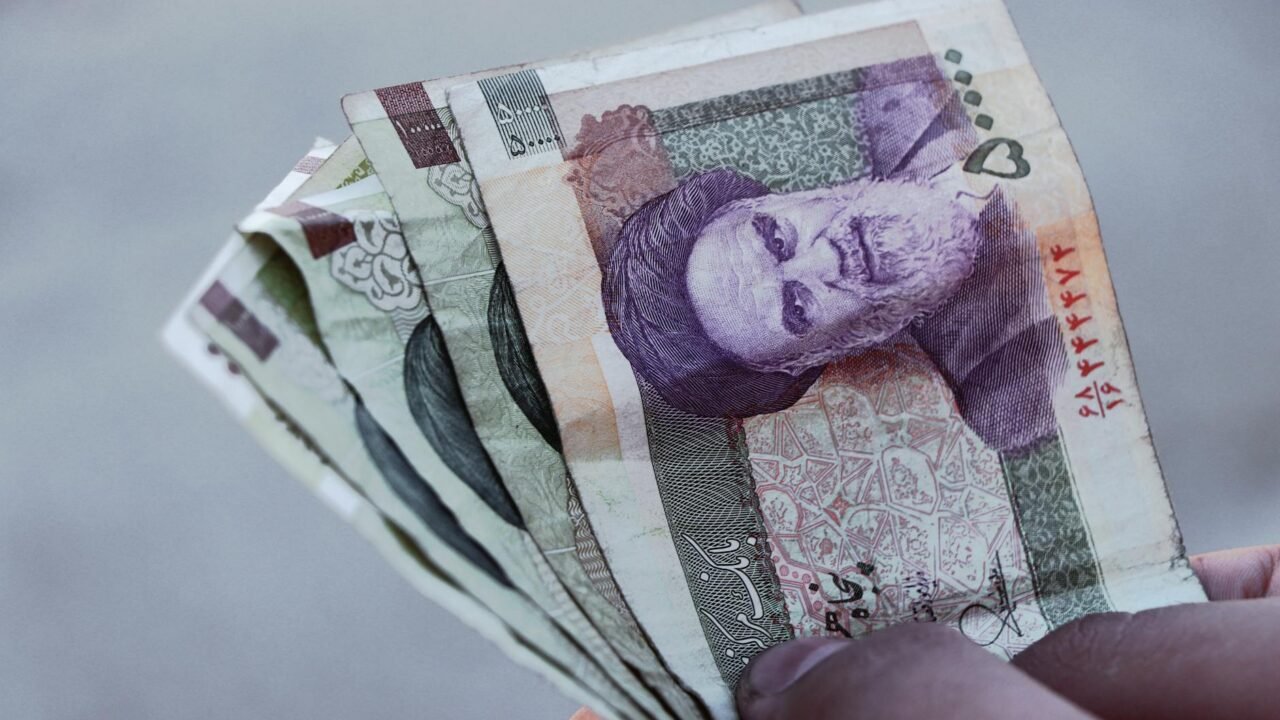
A profound sense of hopelessness is descending upon Iran, affecting citizens across the political spectrum, as the nation grapples with the dual pressures of mounting war deaths and an economy in freefall. The economic implosion has created a palpable sense of despair, particularly for those who had harbored hopes for regime change, now facing a stark reality of unmet expectations.
The economic turmoil is not a new phenomenon, but its intensifying grip is leading to widespread disillusionment. Information reaching Tahir Rihat suggests that the persistent rise in the cost of living, coupled with the human toll of ongoing conflicts, has eroded the optimism of many Iranians. The once-vibrant aspirations for a different future are now overshadowed by the daily struggle for survival. This sentiment is shared by individuals who have historically supported the current government and those who have actively sought its reform or replacement. The shared experience of economic hardship appears to be a unifying, albeit grim, factor across diverse segments of Iranian society.
The economic crisis is characterized by skyrocketing inflation, which has drastically reduced the purchasing power of ordinary citizens. Essential goods and services have become increasingly unaffordable, forcing many households to make difficult choices and compromise on their basic needs. This economic strain is exacerbated by the ongoing human cost of conflicts in which Iran is involved, either directly or indirectly. The loss of life, both among military personnel and civilians, weighs heavily on the national psyche, contributing to a pervasive atmosphere of grief and uncertainty. The combination of economic hardship and war-related losses has created a fertile ground for widespread despair.
For those who had actively campaigned or wished for a fundamental shift in Iran’s political landscape, the current situation represents a significant letdown. The anticipated positive outcomes of potential regime change have not materialized, and instead, they find themselves facing an even more challenging economic environment. This disillusionment is particularly acute, as it stems from a deep-seated desire for improvement that has been met with further hardship. The gap between their aspirations and the current reality has widened, leading to a profound sense of disappointment and a questioning of the path forward.
The economic policies and their impact on the populace are a subject of intense scrutiny and debate within the country. While official narratives may offer explanations or justifications, the lived experiences of Iranians paint a picture of severe economic distress. The depreciation of the national currency, coupled with international sanctions and internal economic mismanagement, has contributed to a perfect storm of financial instability. This instability has trickled down to every level of society, affecting families, small businesses, and the overall economic fabric of the nation.
The psychological toll of this prolonged period of hardship cannot be overstated. Reports from within Iran indicate a rise in mental health issues, as individuals struggle to cope with the constant stress and uncertainty. The lack of economic opportunity, coupled with the pervasive sense of political and social stagnation, has led many to feel trapped and without a clear path to a better future. This despair is not confined to a particular demographic; it is a cross-cutting issue that affects the young and old, the urban and rural populations alike.
The international dimension of Iran’s challenges also plays a significant role. Geopolitical tensions and sanctions have undoubtedly contributed to the economic woes, limiting the country’s ability to engage in international trade and attract foreign investment. However, domestic factors, including governance and economic management, are also critical components of the crisis. The interplay between external pressures and internal policies has created a complex web of challenges that the Iranian leadership must navigate.
The narrative of despair is further amplified by the limited avenues for public expression and dissent. In an environment where open criticism can carry significant risks, the widespread feeling of hopelessness often manifests in quiet resignation or a retreat into private life. Yet, the undercurrent of dissatisfaction is palpable, and the long-term implications of such widespread despair for social stability and political discourse remain a significant concern.
The current situation in Iran presents a complex interplay of economic, social, and political factors. The implosion of the economy, marked by relentless inflation and a depreciating currency, has created a climate of despair that permeates all levels of society. This economic hardship, compounded by the human cost of ongoing conflicts, has left many Iranians feeling disillusioned and without hope for immediate improvement. The aspirations for change, particularly among those who sought a new political direction, have been met with a harsh reality, intensifying their sense of disappointment. As the nation continues to grapple with these multifaceted challenges, the pervasive atmosphere of despair underscores the urgent need for effective solutions that can address the deep-seated economic and social grievances of its people.

Tahir Rihat (also known as Tahir Bilal) is an independent journalist, activist, and digital media professional from the Chenab Valley of Jammu and Kashmir, India. He is best known for his work as the Online Editor at The Chenab Times.


Leave a Reply