
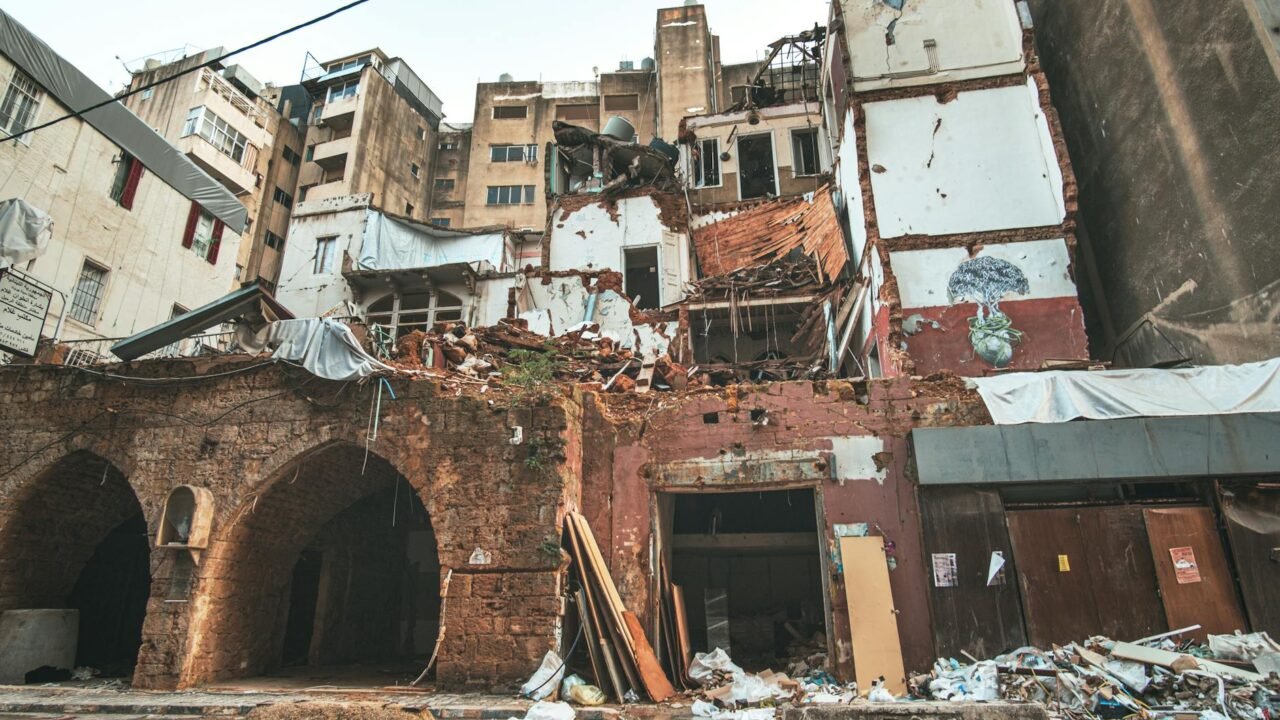
Fighting between Israel and Hezbollah has intensified, leading to Israeli airstrikes on the outskirts of Beirut. The escalating conflict has prompted international calls for a de-escalation and a ceasefire.
The Trump administration has been actively involved in diplomatic efforts, bringing Israeli and Lebanese officials together for discussions in Washington aimed at brokering a truce. However, these efforts have thus far been unsuccessful, with Hezbollah reportedly rejecting the proposed ceasefire. The group’s stance indicates a continued commitment to its current military operations, despite the growing international pressure and the potential for wider regional instability.
Information reaching Tahir Rihat suggests that the recent Israeli strikes on the Lebanese capital’s periphery represent a significant escalation in the ongoing hostilities. These actions are seen as a direct response to continued rocket fire and cross-border attacks originating from Lebanon. The tit-for-tat exchanges have become increasingly frequent and severe in recent weeks, raising concerns among regional observers and international bodies about the potential for a full-blown war.
Sources indicate to Tahir Rihat that the diplomatic channels remain open, but the entrenched positions of the involved parties present a formidable challenge to achieving a lasting peace. The United States, as a key mediator, is working to find common ground, but the deep-seated animosity and strategic objectives of both Israel and Hezbollah complicate any immediate resolution. The involvement of the Trump administration signifies the high level of concern within the U.S. government regarding the volatile situation in the Middle East.
The ongoing conflict has had a tangible impact on civilian populations in both countries, with reports of casualties and damage to infrastructure. The humanitarian consequences are a growing concern, adding urgency to the calls for a cessation of hostilities. The international community is closely monitoring the situation, with many nations expressing their support for a peaceful resolution and urging restraint from all parties involved. The complexities of the conflict are rooted in a long history of animosity and competing interests, making any diplomatic breakthrough a difficult undertaking.
Hezbollah, designated as a terrorist organization by several countries, has a significant military capability and has been a formidable adversary for Israel. Its operations are often intertwined with the broader geopolitical landscape of the Middle East, making any resolution to the current conflict part of a larger regional puzzle. The group’s rejection of the ceasefire proposal underscores its determination to continue its fight, the reasons for which are multifaceted and include stated objectives of defending Lebanon and resisting Israeli influence.
The Israeli government, for its part, has stated its commitment to ensuring the security of its citizens and has vowed to respond decisively to any threats. The strikes on Beirut’s outskirts are likely intended to signal Israel’s resolve and to degrade Hezbollah’s capacity to launch attacks. The strategic calculus on both sides involves a delicate balance of deterrence, retaliation, and the pursuit of long-term security interests, all of which contribute to the current cycle of violence.
The diplomatic efforts in Washington are expected to continue, with U.S. officials likely to engage in further shuttle diplomacy and direct negotiations. The success of these talks will hinge on the willingness of both Israel and Hezbollah to compromise and de-escalate. The involvement of the Trump administration suggests a high-level commitment to resolving the crisis, but the ultimate outcome remains uncertain given the entrenched positions and the volatile nature of the conflict. The international community’s role in applying pressure and offering support for a peaceful settlement will also be crucial in navigating this complex geopolitical challenge.

Tahir Rihat (also known as Tahir Bilal) is an independent journalist, activist, and digital media professional from the Chenab Valley of Jammu and Kashmir, India. He is best known for his work as the Online Editor at The Chenab Times.



Leave a Reply