
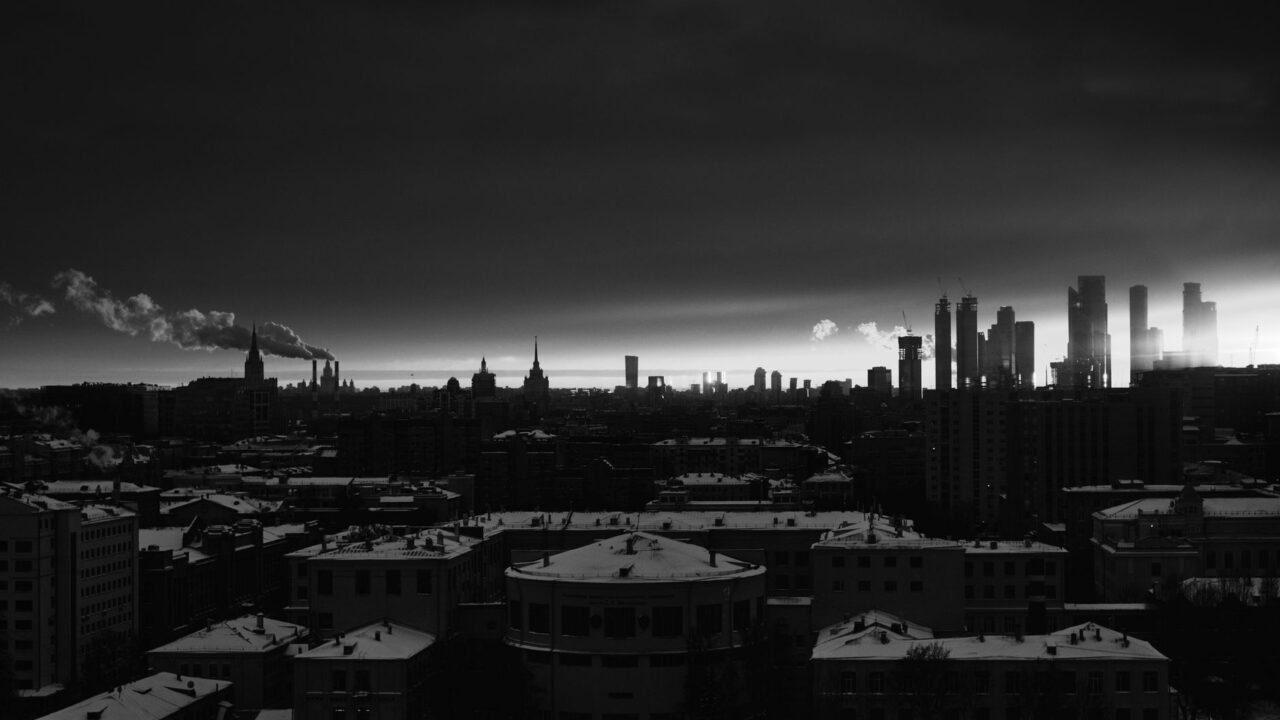
A recent drone attack that sent plumes of smoke rising over the Russian capital has intensified Ukrainian hopes of extending the conflict onto Russian territory. The audacious strike, which targeted areas within Moscow, represents a significant escalation in the ongoing war and has prompted a fresh wave of speculation regarding its strategic implications and potential repercussions.
Information reaching Tahir Rihat suggests that the drone incursions into Moscow have been met with a mixture of defiance and concern within Ukraine. For months, Ukrainian officials and military strategists have been exploring ways to bring the war home to Russia, aiming to disrupt its logistical capabilities and erode public support for the invasion. This latest operation appears to be a tangible manifestation of those ambitions, demonstrating a newfound capacity to project force deep into Russian airspace.
The effectiveness and scale of the drone attack are still being assessed, but the visual impact of smoke billowing over Moscow has undoubtedly served as a powerful symbol. It underscores the vulnerability of even the most heavily fortified urban centers to unconventional warfare tactics. The psychological impact on the Russian populace, accustomed to viewing the conflict as something happening primarily on Ukrainian soil, could be substantial. This shift in perception is a key objective for Kyiv, which seeks to counter the narrative of a distant, abstract war and highlight the direct consequences of the Kremlin’s actions.
However, the question of whether this event constitutes a genuine “game changer” remains premature. Military analysts caution against drawing definitive conclusions based on a single incident, emphasizing that sustained and impactful operations are necessary to alter the strategic landscape. While the drones may have successfully reached their targets, the extent of damage and the long-term disruption caused are critical factors that will determine the true significance of the attack. The Kremlin’s response, both militarily and politically, will also be a crucial determinant of its ultimate impact.
The deployment of drones for such deep strikes represents a growing trend in modern warfare, where unmanned aerial vehicles are increasingly being utilized for reconnaissance, targeted attacks, and psychological operations. Ukraine’s ability to adapt and employ these technologies effectively against a larger, more heavily armed adversary like Russia highlights the evolving nature of conflict. It also raises questions about the adequacy of air defense systems in major urban areas and the potential for similar attacks to be replicated elsewhere.
The international community is closely monitoring the situation, with many observers expressing concern about the potential for further escalation. While Ukraine’s right to self-defense is widely recognized, strikes within Russian territory could provoke a more forceful and potentially unpredictable response from Moscow. This delicate balance between defensive actions and the risk of wider conflict is a central concern for global diplomacy. The coming days and weeks will likely reveal more about the immediate aftermath of these strikes and their broader implications for the trajectory of the war.
The Ukrainian military has not officially claimed responsibility for the drone attacks, a common tactic to maintain plausible deniability and avoid direct attribution that could lead to immediate, overwhelming retaliation. However, the sophistication and apparent coordination of the strikes strongly suggest Ukrainian involvement. The targeting of specific areas, if confirmed, could also provide insights into Ukraine’s strategic objectives, whether they are aimed at military infrastructure, symbolic locations, or centers of political power.
The psychological dimension of this conflict cannot be overstated. For Ukraine, these strikes offer a much-needed morale boost and a tangible demonstration of its resilience and capability. For Russia, they represent an unwelcome intrusion into a war that has largely been kept at arm’s length from its major cities. The narrative control that the Kremlin has attempted to maintain over the conflict could be challenged by images and reports of attacks within its own borders. This could, in turn, put pressure on the Russian government to respond in a way that is visible to its domestic audience, potentially leading to further escalation.
The technical aspects of the drone attacks are also of interest. The types of drones used, their range, and their guidance systems will provide valuable intelligence to military observers. Ukraine has reportedly received and developed various drone technologies, and this incident could showcase the effectiveness of its indigenous capabilities or its success in integrating Western-supplied systems. The ability to bypass Russian air defenses, which are known to be extensive, is a significant achievement in itself.
As the dust settles over Moscow, the world watches to see how both sides will react. Ukraine has demonstrated a willingness to push the boundaries of the conflict, while Russia will likely feel compelled to assert its dominance and retaliate. The coming period will be critical in determining whether this event marks a turning point or is simply another chapter in a protracted and brutal war. The long-term consequences of these strikes, both on the battlefield and in the realm of international relations, are yet to unfold.
The international response to such attacks is often complex. While many nations support Ukraine’s right to defend itself, there are also concerns about actions that could draw NATO directly into the conflict or lead to a wider conflagration. Diplomatic channels are likely to be working overtime to de-escalate tensions and prevent further unpredictable actions. The strategic calculus for all parties involved has become even more intricate following these developments.
The economic implications are also worth considering. Any significant disruption to Russian infrastructure or a heightened sense of insecurity within Russia could have ripple effects on global markets. Furthermore, the increased cost of defending against such attacks could place additional strain on both Ukrainian and Russian resources, impacting their ability to sustain the war effort in the long run.
Ultimately, the true significance of the drone strikes on Moscow will be determined by their sustained impact and the reactions they provoke. While the immediate visual and symbolic effect is undeniable, the strategic and political ramifications will take time to materialize. The ongoing conflict remains a dynamic and unpredictable situation, with each new development adding layers of complexity to an already dire humanitarian crisis.

Tahir Rihat (also known as Tahir Bilal) is an independent journalist, activist, and digital media professional from the Chenab Valley of Jammu and Kashmir, India. He is best known for his work as the Online Editor at The Chenab Times.

Leave a Reply