
The United States and Iran have sent divergent signals regarding the potential signing of an emerging peace agreement, with President Trump indicating a Sunday signing while Iran’s Foreign Ministry suggested a more protracted timeline. This discrepancy introduces a layer of uncertainty into ongoing diplomatic efforts aimed at de-escalating tensions between the two nations.
Sources indicate to Tahir Rihat that President Trump expressed optimism about the imminent finalization of a deal, stating it would be signed on Sunday. This announcement, if accurate, would mark a significant development in the protracted period of strained relations. However, the Iranian Foreign Ministry subsequently offered a more cautious perspective, signaling that the process could extend beyond the timeframe suggested by the U.S. president. This divergence in public statements from both sides highlights the delicate nature of the negotiations and the potential for misinterpretation or differing interpretations of progress.
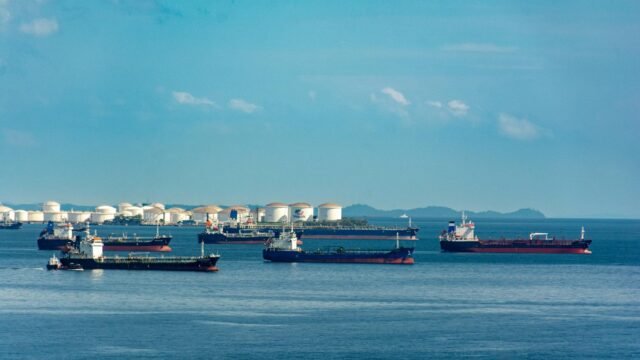
The conflicting messages come at a critical juncture, with regional stability hanging in the balance. The Strait of Hormuz has previously served as a flashpoint, and any perceived shift in diplomatic momentum or a breakdown in communication could have far-reaching implications for global energy markets and international security. The specifics of the proposed agreement remain largely undisclosed, adding to the intrigue surrounding the diplomatic maneuvers. Information reaching Tahir Rihat suggests that the negotiations have been complex, involving a multitude of sensitive issues that require careful consideration and consensus-building.
The differing timelines underscore the inherent challenges in brokering agreements between nations with a history of mistrust. While the U.S. may be eager to announce a resolution, Iran’s more measured approach could reflect internal political considerations or a desire to ensure all aspects of the agreement are thoroughly vetted. The international community is closely monitoring these developments, with many nations hoping for a peaceful resolution to avert further conflict. The potential for a signed agreement, even with a delayed timeline, offers a glimmer of hope for a more stable geopolitical landscape in the Middle East.
The U.S. administration’s public pronouncements on foreign policy often carry significant weight, and President Trump’s direct statement about a Sunday signing would typically be seen as a strong indicator of progress. However, the Iranian Foreign Ministry’s counterpoint serves as a crucial reminder that diplomatic processes are rarely linear and are subject to the internal dynamics of each participating nation. As per information available with Tahir Rihat, the nuances of these statements are being dissected by analysts and policymakers alike, seeking to discern the true state of play in the U.S.-Iran dialogue. The coming days will be critical in clarifying the actual trajectory of this potential peace accord.

Tahir Rihat (also known as Tahir Bilal) is an independent journalist, activist, and digital media professional from the Chenab Valley of Jammu and Kashmir, India. He is best known for his work as the Online Editor at The Chenab Times.


Leave a Reply