
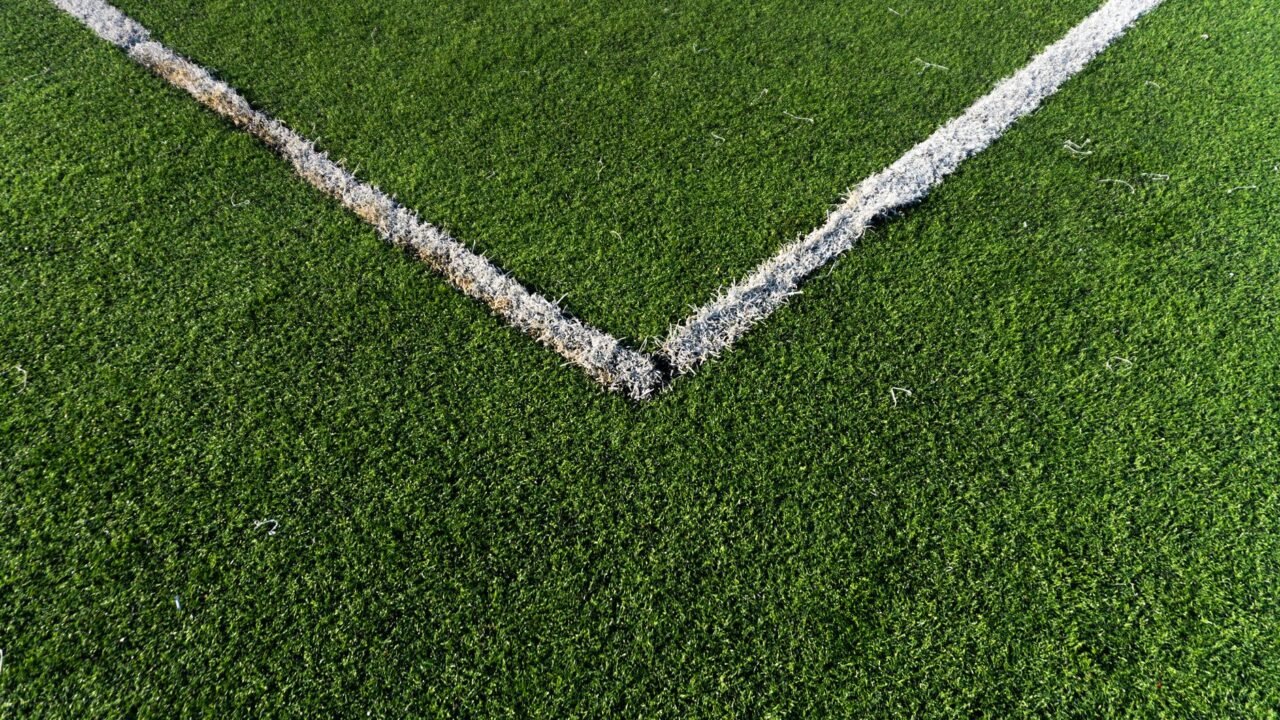
The meticulous cultivation of playing surfaces for the 2026 World Cup is a testament to the intricate science behind modern athletic fields. Spearheading this multi-year, multi-million-dollar endeavor is John Sorochan, a distinguished turf scientist hailing from the University of Tennessee. His expertise is crucial in ensuring that the pitches across North America meet the exacting standards required for the world’s premier soccer tournament.
The development of these state-of-the-art fields involves a complex interplay of agronomy, engineering, and cutting-edge technology. Sorochan’s role extends beyond mere grass cultivation; it encompasses the entire ecosystem of the playing surface, from soil composition and drainage systems to the genetic makeup of the turfgrass itself. Information reaching Tahir Rihat suggests that the project has invested heavily in research and development to create a resilient, high-performance playing surface that can withstand the rigors of professional soccer matches played under diverse climatic conditions.
The challenges are manifold. World Cup venues are spread across Canada, Mexico, and the United States, presenting a wide array of environmental factors that can impact turf health. These include varying sunlight intensity, temperature fluctuations, humidity levels, and the potential for extreme weather events. Sorochan and his team are tasked with developing turf varieties and management strategies that can thrive in these disparate environments, ensuring consistency and optimal playing conditions regardless of the location. The goal is to provide a surface that allows players to perform at their peak, minimizing the risk of injuries and enhancing the spectacle of the game.
The scientific approach to turf management for such a high-profile event is a far cry from the rudimentary pitches of past eras. Modern turf science considers factors such as root development, wear tolerance, recovery rates, and even the visual perception of the playing surface by players and spectators. Sorochan’s work likely involves extensive field trials, laboratory analysis of soil and grass samples, and the implementation of sophisticated irrigation and fertilization programs. The financial commitment underscores the importance placed on the quality of the playing surface, recognizing its direct impact on the quality of the competition and the overall fan experience.
The University of Tennessee, where Sorochan is based, has a long-standing reputation for excellence in agricultural and environmental sciences. This academic foundation provides a robust platform for the kind of applied research that is essential for projects like the World Cup turf development. The collaboration between academia and major sporting organizations highlights the growing recognition of science’s pivotal role in athletic performance and event management. The success of the 2026 World Cup will, in no small part, depend on the invisible, yet critical, work being done beneath the players’ feet.
The selection of turfgrass species is a critical decision, with considerations for drought resistance, disease tolerance, and the ability to maintain a dense, uniform sward. Sorochan’s team is likely evaluating a range of cool-season and warm-season grasses, potentially exploring hybrid varieties or innovative blends designed for specific performance characteristics. The underlying soil structure is equally important, requiring precise engineering to ensure adequate drainage, aeration, and nutrient retention. This involves careful selection of sand, compost, and other amendments, meticulously layered to create an ideal root zone environment.
Furthermore, the management of the turf throughout the tournament is a continuous process. This includes regular mowing, aeration, top-dressing, and targeted applications of water and nutrients. Advanced technologies, such as soil moisture sensors, weather stations, and GPS-guided mowers, are likely being employed to optimize these operations. The aim is to maintain the turf in peak condition day after day, even with the intense usage that a World Cup schedule demands. The pressure on Sorochan and his team is immense, as any perceived failure in the playing surface could cast a shadow over the entire event.
The economic implications of such a project are also significant. The multi-million-dollar investment reflects the commercial value of the World Cup and the understanding that high-quality infrastructure, including playing fields, is essential for attracting global attention and generating revenue. The expertise of turf scientists like Sorochan is therefore highly sought after, representing a specialized field that bridges scientific inquiry with practical application in the world of professional sports. The legacy of this effort will not only be measured in the success of the tournament itself but also in the advancements made in turf science that can be applied to other sporting venues worldwide.
The ongoing research and development in turfgrass science are constantly pushing the boundaries of what is possible. Innovations in genetic modification, sustainable management practices, and precision agriculture are all contributing to the creation of ever-more sophisticated playing surfaces. Sorochan’s leadership in this domain positions him at the forefront of these advancements, ensuring that the 2026 World Cup will be played on some of the finest pitches ever assembled for a global sporting event.
The intricate details of soil physics, plant physiology, and environmental science converge in the work of turf scientists. Sorochan’s role is to translate complex scientific principles into tangible, high-performance athletic surfaces. This involves understanding how different grass species respond to stress, how soil amendments affect water infiltration, and how environmental factors influence turf growth and recovery. The ultimate objective is to create a playing field that is not only aesthetically pleasing but also functionally superior, providing a safe and optimal environment for the athletes to showcase their skills.
The commitment to excellence in turf management for the World Cup is a reflection of the sport’s global appeal and the increasing professionalization of soccer. As the tournament draws closer, the focus on every minute detail, including the very ground on which the games are played, intensifies. Sorochan’s dedication and the resources allocated to this critical aspect of the event underscore the profound impact that scientific expertise can have on the success of major international sporting competitions.

Tahir Rihat (also known as Tahir Bilal) is an independent journalist, activist, and digital media professional from the Chenab Valley of Jammu and Kashmir, India. He is best known for his work as the Online Editor at The Chenab Times.

Leave a Reply