
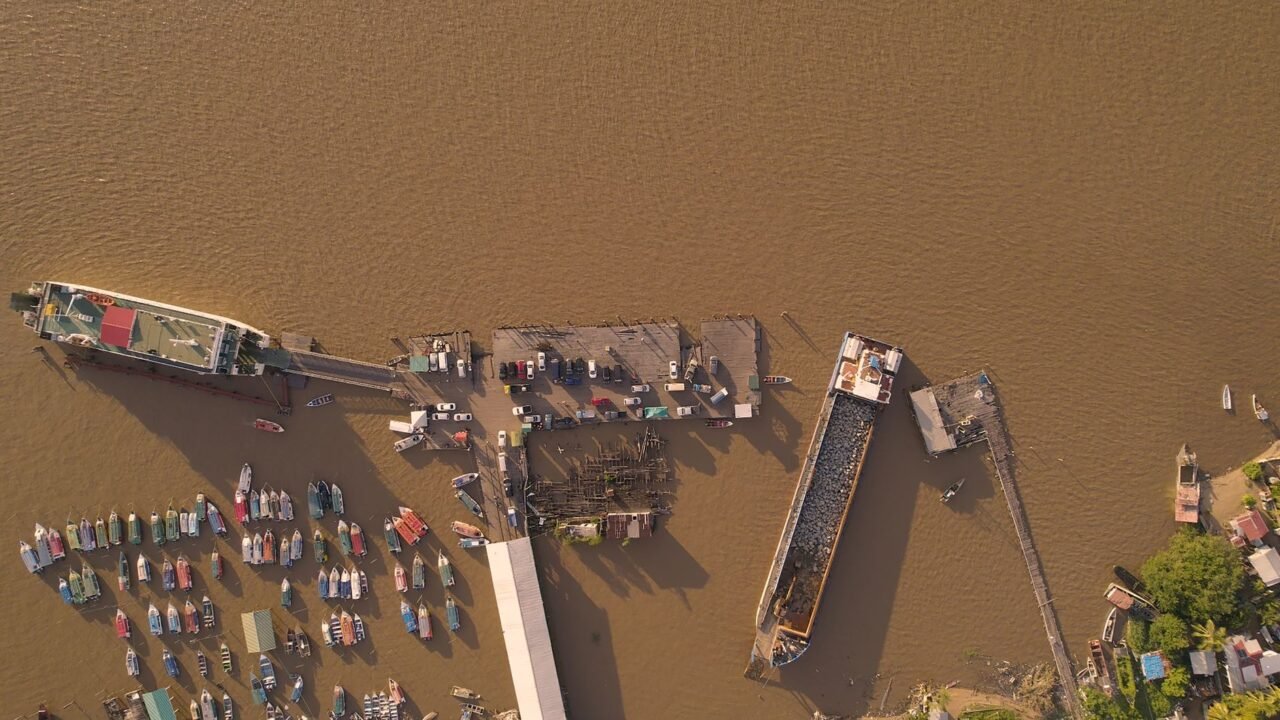
At least 27 people have died after a ferry capsized in Guyana, with rescue crews continuing to search for dozens more feared lost at sea. The vessel was en route to a remote gold-mining outpost in the South American nation when the disaster occurred.
The exact number of passengers on board the ill-fated ferry remains unclear, but initial reports suggest a significant number of individuals were aboard when it sank. As of the latest updates, rescue efforts are intensely focused on recovering bodies and any potential survivors from the waters. The circumstances leading to the ferry’s capsizing are still under investigation, but the incident has sent shockwaves through the local communities, particularly those reliant on riverine transport for access to remote areas.
Information reaching Tahir Rihat suggests that the ferry was navigating a crucial waterway when it overturned, plunging passengers into the water. The remote location of the incident has complicated immediate rescue operations, with authorities mobilizing all available resources to address the unfolding tragedy. The Guyana government has reportedly been coordinating with local agencies and potentially international partners to bolster search and recovery efforts. The focus remains on the immediate humanitarian response, providing aid to affected families and ensuring a thorough investigation into the cause of the accident to prevent future occurrences.
The journey to gold-mining outposts in Guyana often involves navigating challenging river systems, and vessels used for such transport can vary significantly in their safety standards. This incident highlights the inherent risks associated with such travel, especially in regions where infrastructure may be limited. The scale of the loss of life underscores the urgency of the ongoing search and the deep concern for those still unaccounted for. Families of those who were on the ferry are anxiously awaiting news, with the hope of finding loved ones dwindling as time passes and the search continues in the vast waterways.
The South American country, rich in natural resources, relies heavily on its river networks for transportation and commerce, particularly for accessing interior regions where mining operations are prevalent. These waterways, while vital, can also be treacherous, prone to sudden changes in weather and currents. The capsizing of the ferry is a stark reminder of the vulnerabilities associated with such transportation methods and the critical need for robust safety regulations and enforcement. The government’s response is expected to include not only immediate rescue and recovery but also a comprehensive review of maritime safety protocols governing passenger and cargo transport, especially to remote and economically significant areas like the gold-mining regions.
The ongoing search operations are being conducted by a combination of official rescue teams and local volunteers who are intimately familiar with the waterways. Their efforts are crucial in covering the extensive area where the ferry is believed to have sunk. The recovery of victims is a somber and painstaking process, with the hope of finding survivors diminishing with each passing hour. The psychological toll on the communities affected by this tragedy is immense, as many individuals may have lost family members, friends, or neighbors in the disaster. The national response aims to provide support and comfort to those grieving and to ensure that all possible avenues for locating the missing are exhausted.
The specific type of ferry involved and its operational history are likely to be key areas of focus in the investigation into the cause of the capsizing. Factors such as overloading, structural integrity of the vessel, weather conditions, and navigational errors will be examined. The remoteness of the destination, a gold-mining outpost, suggests that the ferry was likely carrying essential supplies and personnel, making its loss a significant blow to the operations in that area. The economic implications, while secondary to the human tragedy, are also a consideration as the country assesses the impact of this incident on its resource extraction sector and the communities that support it.
The Guyana government has pledged to conduct a thorough investigation into the incident, with the aim of identifying the root causes and implementing measures to prevent similar tragedies in the future. This commitment is crucial for rebuilding public trust in the safety of riverine transportation and for ensuring the well-being of citizens who depend on these routes. The international community may also offer assistance in the form of expertise or resources for the investigation and for enhancing maritime safety infrastructure across the country. The recovery of all victims and the provision of support to their families remain the immediate priorities for the authorities in the wake of this devastating event.

Tahir Rihat (also known as Tahir Bilal) is an independent journalist, activist, and digital media professional from the Chenab Valley of Jammu and Kashmir, India. He is best known for his work as the Online Editor at The Chenab Times.



Leave a Reply