
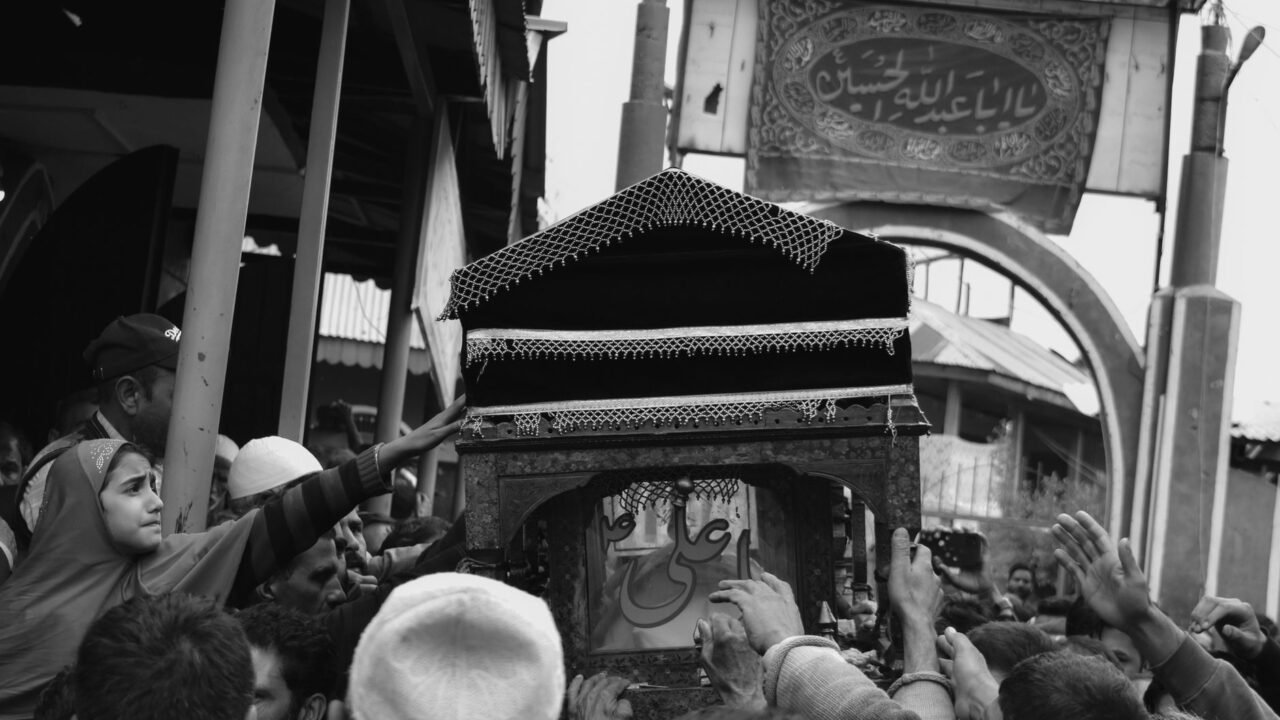
Millions of Iranians thronged the streets of their cities to mourn the loss of Ayatollah Ali Khamenei, the nation’s supreme leader, who was killed during ongoing hostilities with the United States and Israel. The sheer scale of public participation underscored the profound impact of his death on the country’s political and social fabric.
The outpouring of grief was palpable as citizens lined the routes of funeral processions, a testament to Khamenei’s decades-long influence. His passing marks a significant moment in Iran‘s modern history, occurring at a time of heightened international tension and internal challenges. Information reaching Tahir Rihat suggests that the government has pledged swift and decisive retribution for the leader’s demise, signaling a potential escalation of the conflict.
Ayatollah Khamenei, who assumed leadership in 1989, was a central figure in shaping Iran’s foreign policy and its ideological direction. His death leaves a void in the country’s highest echelons of power, raising questions about the future leadership and the trajectory of the nation’s engagement with the international community. The circumstances surrounding his death, described as occurring within the context of the war, are likely to fuel further animosity and calls for vengeance.
The conflict, which has already claimed numerous lives and destabilized the region, now faces a critical juncture. The Iranian leadership’s commitment to retaliation suggests a period of increased volatility, with significant implications for regional security and global stability. The international community is closely monitoring the situation, anticipating potential responses from both Iran and its adversaries. The war’s continuation, coupled with the loss of a paramount leader, creates a volatile environment ripe for further confrontation.
Details regarding the specific nature of the war and the precise events leading to Ayatollah Khamenei’s death remain scarce, as is often the case during active conflicts. However, the widespread mourning and the official pronouncements of vengeance indicate a deep-seated resolve within Iran to respond forcefully. The scale of the funeral ceremonies, with millions participating, demonstrates a unified national sentiment, at least on the surface, in the face of this profound national tragedy.
The economic and social ramifications of the ongoing war have been considerable for Iran. The loss of its supreme leader at this juncture is expected to exacerbate these challenges, potentially leading to increased domestic pressure and a more assertive foreign policy stance. The government’s focus on retribution may divert attention from pressing domestic issues, but it also serves to rally nationalistic fervor during a time of crisis. The coming days and weeks will be crucial in determining the immediate impact of this event on the conflict and the broader geopolitical landscape.
The United States and Israel, identified as adversaries in the conflict, are undoubtedly assessing the implications of Khamenei’s death. Their responses will be critical in shaping the next phase of hostilities. The rhetoric of vengeance emanating from Iran suggests a willingness to engage in further confrontation, potentially leading to a protracted and more destructive conflict. The global implications of such an escalation are far-reaching, impacting energy markets, international diplomacy, and regional alliances.
The intricate network of alliances and rivalries in the Middle East will be further tested by these developments. Countries in the region will be forced to navigate the shifting dynamics, with potential implications for their own security and stability. The narrative of martyrdom and the call for justice will likely resonate throughout Iran and among its allies, potentially galvanizing support for continued resistance. The absence of Ayatollah Khamenei’s steady hand, which guided Iran for over three decades, introduces an element of unpredictability into an already volatile situation.
The internal political landscape of Iran may also undergo significant changes. The succession process for the supreme leader will be a critical factor, with various factions likely vying for influence. The manner in which this transition is managed will have a profound impact on the country’s future direction. The immediate focus, however, appears to be on consolidating national unity in the face of external aggression and avenging the death of their leader. The scale of the public mourning suggests a strong emotional connection between the populace and their leadership, a sentiment that the government will likely leverage in its pursuit of retribution.
The international response to Iran’s vows of vengeance will be closely watched. Diplomatic efforts to de-escalate the situation will likely be challenged by the prevailing atmosphere of anger and grief. The war’s continuation, now imbued with the added weight of a national tragedy, presents a complex diplomatic and security puzzle for the global community. The long-term consequences of this event on Iran’s role in the international arena and its relationship with major global powers remain to be seen, but the immediate outlook is one of heightened tension and a commitment to further conflict.

Tahir Rihat (also known as Tahir Bilal) is an independent journalist, activist, and digital media professional from the Chenab Valley of Jammu and Kashmir, India. He is best known for his work as the Online Editor at The Chenab Times.


Leave a Reply