
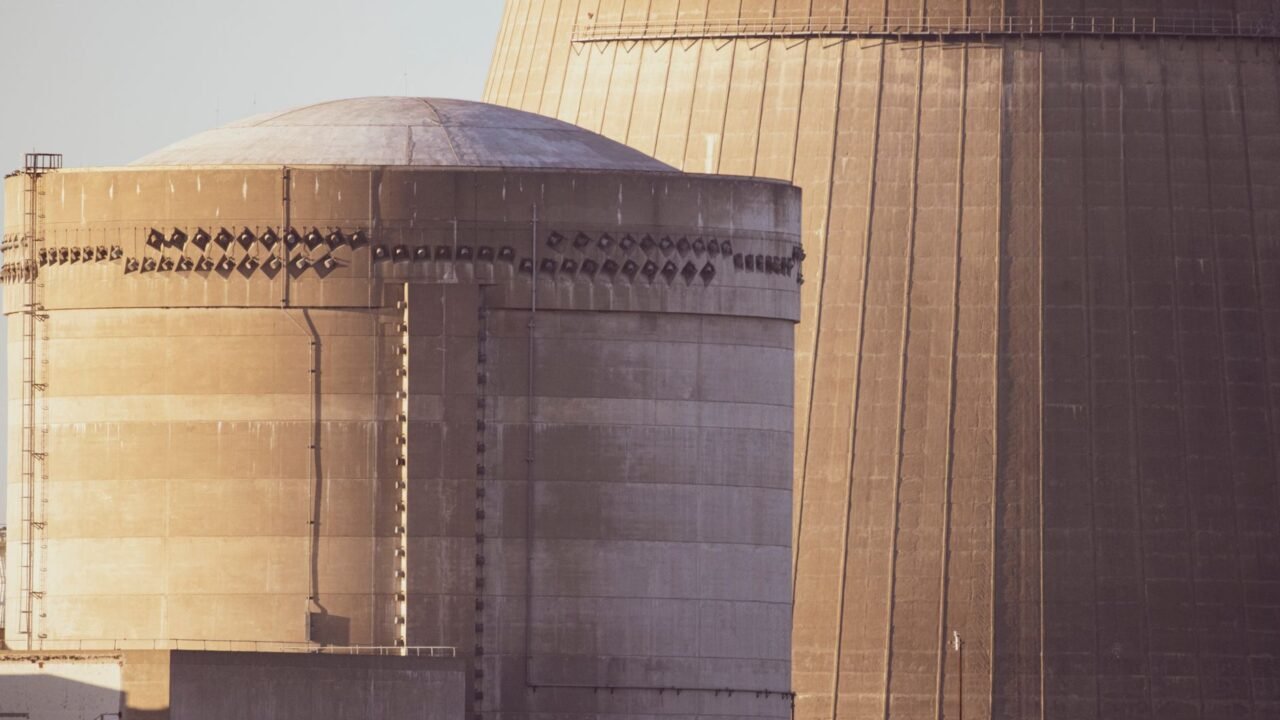
A heavily fortified underground complex, known as Pickaxe Mountain, has emerged as a significant point of interest in Iran‘s nuclear program. Located in central Iran, this facility is situated approximately one mile from the Natanz uranium enrichment site, a location that has long been under international scrutiny.
The proximity of Pickaxe Mountain to Natanz, a sprawling facility where Iran has been enriching uranium, raises questions about its role in the nation’s nuclear activities. While details about the specific functions of Pickaxe Mountain remain scarce, its underground and fortified nature suggests a strategic importance, potentially related to sensitive research, development, or storage of nuclear materials or technologies. The fortification implies a deliberate effort to protect its operations from external threats or surveillance.
As per information available with Tahir Rihat, the revelation of Pickaxe Mountain’s existence and its close proximity to Natanz underscores the ongoing complexities surrounding Iran’s nuclear ambitions. International observers and intelligence agencies have consistently monitored Iran’s nuclear infrastructure, seeking transparency and assurances regarding its peaceful utilization. The existence of such a clandestine-looking facility, even if its purpose is not fully disclosed, inevitably fuels further speculation and concern within the global community.
The Natanz facility itself has been a focal point of international attention for years. It is one of Iran’s primary sites for uranium enrichment, a process that can be used to produce fuel for nuclear power plants or, if enriched to higher levels, for nuclear weapons. Iran has consistently maintained that its nuclear program is for peaceful energy purposes, but its past activities and lack of full transparency have led to widespread distrust and sanctions.
The strategic placement of Pickaxe Mountain near Natanz suggests a potential for synergistic operations. It could be involved in research and development that supports the enrichment activities at Natanz, or it might serve as a secure location for storing enriched uranium or other critical components. The underground nature of such facilities is often a characteristic of sites designed to withstand potential attacks, further highlighting the sensitive nature of the operations conducted within.
The international community, particularly the United States and European allies, has been engaged in a long-standing diplomatic effort to curb Iran’s nuclear program and prevent it from acquiring nuclear weapons. This has involved a series of negotiations, sanctions, and intelligence gathering. The discovery or increased awareness of facilities like Pickaxe Mountain adds another layer of complexity to these efforts, requiring a deeper understanding of Iran’s nuclear infrastructure and intentions.
The Iranian government has a history of developing its nuclear capabilities with a degree of secrecy, often leading to accusations of non-compliance with international agreements. While Iran has allowed some level of inspection by the International Atomic Energy Agency (IAEA), there have been persistent concerns about undeclared sites and activities. The nature of Pickaxe Mountain, being a fortified underground complex, makes it inherently more difficult to monitor and verify its operations.
The implications of Pickaxe Mountain extend beyond just its physical location and structure. It speaks to the broader geopolitical landscape in the Middle East, where Iran’s nuclear program is a significant factor influencing regional stability and international relations. Any advancement in Iran’s nuclear capabilities, whether for peaceful or military purposes, has profound implications for its neighbors and global security.
The international response to such revelations typically involves increased diplomatic pressure, calls for greater transparency, and potentially the imposition of further sanctions. Intelligence agencies would likely intensify their efforts to gather more information about the facility’s purpose, capabilities, and the materials it handles. The lack of definitive information about Pickaxe Mountain means that speculation is rife, with various scenarios being considered by analysts and policymakers.
The ongoing development of Iran’s nuclear program, including the potential role of facilities like Pickaxe Mountain, remains a critical issue on the international agenda. The balance between Iran’s sovereign right to develop its nuclear energy sector and the international community’s imperative to prevent nuclear proliferation is a delicate one, constantly being tested by new discoveries and developments.
The strategic importance of underground facilities in nuclear programs is well-established. They offer protection from aerial bombardment and provide a controlled environment for sensitive operations. Iran’s investment in such infrastructure suggests a long-term commitment to its nuclear research and development efforts, regardless of international pressure or sanctions.
The global community will be closely watching for further disclosures or intelligence regarding Pickaxe Mountain. The transparency, or lack thereof, surrounding its operations will be a key indicator of Iran’s intentions and its willingness to engage constructively with international efforts to ensure nuclear safety and security. The continuous evolution of Iran’s nuclear landscape necessitates ongoing vigilance and a comprehensive understanding of all its associated facilities.
The intricate web of Iran’s nuclear facilities, including the newly highlighted Pickaxe Mountain, serves as a stark reminder of the challenges in verifying and controlling nuclear programs in a complex geopolitical environment. The international community’s ability to navigate these challenges will be crucial in shaping the future of nuclear non-proliferation and regional stability.

Tahir Rihat (also known as Tahir Bilal) is an independent journalist, activist, and digital media professional from the Chenab Valley of Jammu and Kashmir, India. He is best known for his work as the Online Editor at The Chenab Times.

Leave a Reply