
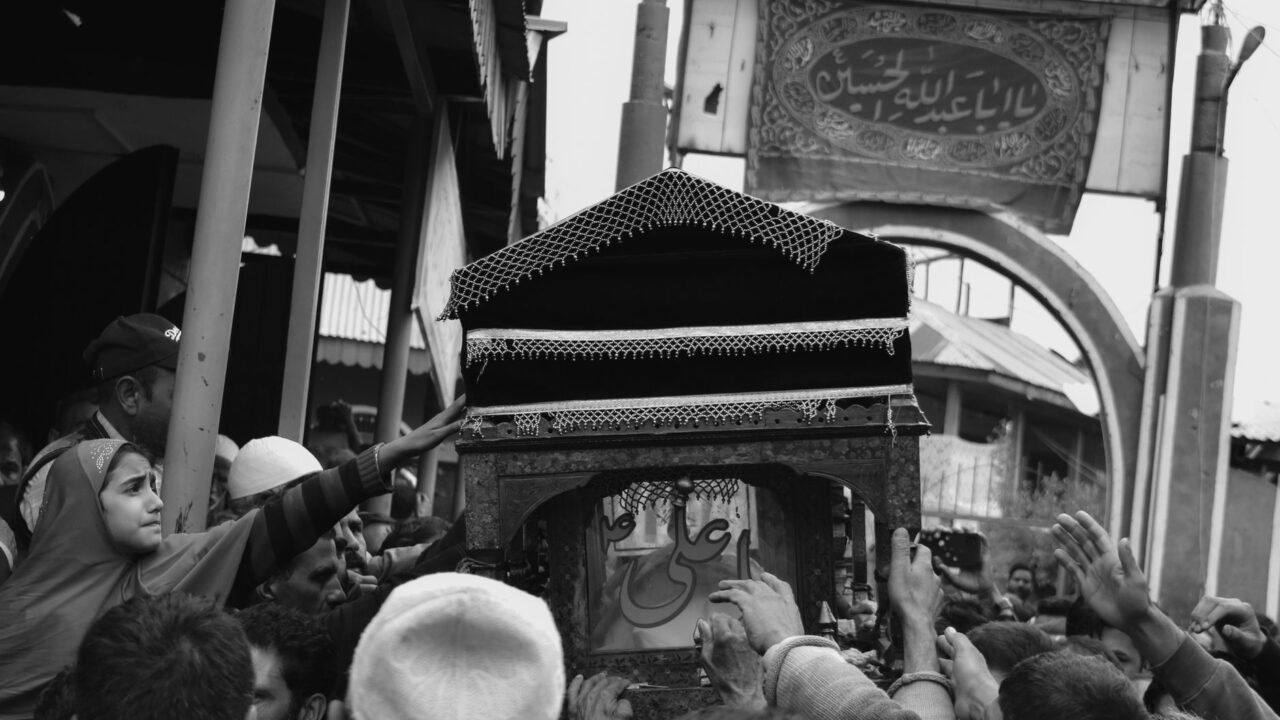
Following a period of lying in state in Tehran, the body of Ayatollah Ruhollah Khamenei is set to embark on an extensive four-day funeral procession. This solemn journey will take his remains to several of the most sacred sites within Shia Islam, spanning both Iran and neighboring Iraq. The procession is anticipated to draw millions of mourners, underscoring the profound reverence held for the late leader across the Shia world.
Information reaching Tahir Rihat suggests that the itinerary has been meticulously planned to allow maximum participation from devotees. The initial phase of the procession will commence in the Iranian capital, Tehran, where the public will have an opportunity to pay their final respects. From there, the cortege will proceed to other significant religious centers, adhering to a schedule designed to accommodate the vast numbers expected to attend.
The inclusion of Iraqi holy sites in the procession highlights the deep spiritual and political connections between Iran and Iraq, particularly within the Shia community. Cities such as Najaf and Karbala, which are central to Shia pilgrimage, are reportedly part of the planned route. These locations hold immense historical and religious importance, serving as focal points for Shia identity and devotion. The decision to include these sites in the final journey of Ayatollah Khamenei is seen as a symbolic gesture, reinforcing his legacy and connection to the core tenets of Shia Islam.
The scale of the expected attendance, with millions of mourners anticipated, presents significant logistical challenges. Security forces are reportedly being mobilized to manage the crowds and ensure the safety of the procession. Traffic diversions and public transport adjustments are also expected to be implemented in the affected cities to facilitate the movement of the funeral cortege and the large gatherings of people. The four-day duration of the procession indicates a deliberate effort to allow for widespread participation and mourning across multiple locations.
The religious significance of the chosen sites cannot be overstated. Najaf is home to the Imam Ali Mosque, the shrine of Ali ibn Abi Talib, the cousin and son-in-law of the Prophet Muhammad, and the first Shia Imam. Karbala is renowned for the shrine of Imam Hussein, the grandson of the Prophet Muhammad, and the site of his martyrdom, which is a central event in Shia history and mourning rituals. The inclusion of these sites in the funeral procession is expected to amplify the emotional and spiritual impact of the event for millions of Shia Muslims.
The political implications of such a widespread and religiously charged event are also considerable. The procession will serve as a powerful demonstration of unity and devotion among Shia populations in both Iran and Iraq. It will also be closely watched by international observers, given the geopolitical significance of Iran and its influence in the region. The sheer number of people expected to participate underscores the deep respect and loyalty Ayatollah Khamenei commanded, not only within Iran but also among Shia communities beyond its borders.
The organization of such an extensive funeral procession requires meticulous planning and coordination. Authorities are likely working closely with religious institutions and local governments in each city to manage the logistics, including security, accommodation for pilgrims, and the provision of essential services. The four-day period suggests a carefully orchestrated sequence of events, allowing for ceremonies and public viewing at each significant location along the route. The final disposition of Ayatollah Khamenei’s remains is expected to take place after the conclusion of this extensive procession.
The media coverage of the event is anticipated to be extensive, with state-run and international news outlets providing live updates and analysis. The procession will offer a unique window into the religious fervor and collective mourning of a significant portion of the global Shia population. The journey itself is designed to be a testament to the enduring legacy of Ayatollah Khamenei and his central role in the history of the Islamic Republic of Iran and Shia Islam in the modern era.
The planned route through both Iran and Iraq signifies a deliberate effort to bridge national borders and unite Shia communities in a shared expression of grief and remembrance. This transnational aspect of the funeral procession is a notable feature, reflecting the broader influence and reach of the religious and political figure. The coming days are expected to be marked by widespread public gatherings and solemn ceremonies as the procession makes its way through these hallowed grounds.
The logistical undertaking of moving the body of a prominent leader across multiple cities and potentially international borders requires a high degree of organization. Security measures are expected to be stringent, given the potential for large crowds and the sensitive nature of the event. The participation of millions of people is not only a reflection of personal devotion but also a display of collective identity and solidarity within the Shia world. The procession will undoubtedly be a significant event in the region’s recent history.

Tahir Rihat (also known as Tahir Bilal) is an independent journalist, activist, and digital media professional from the Chenab Valley of Jammu and Kashmir, India. He is best known for his work as the Online Editor at The Chenab Times.




Leave a Reply