
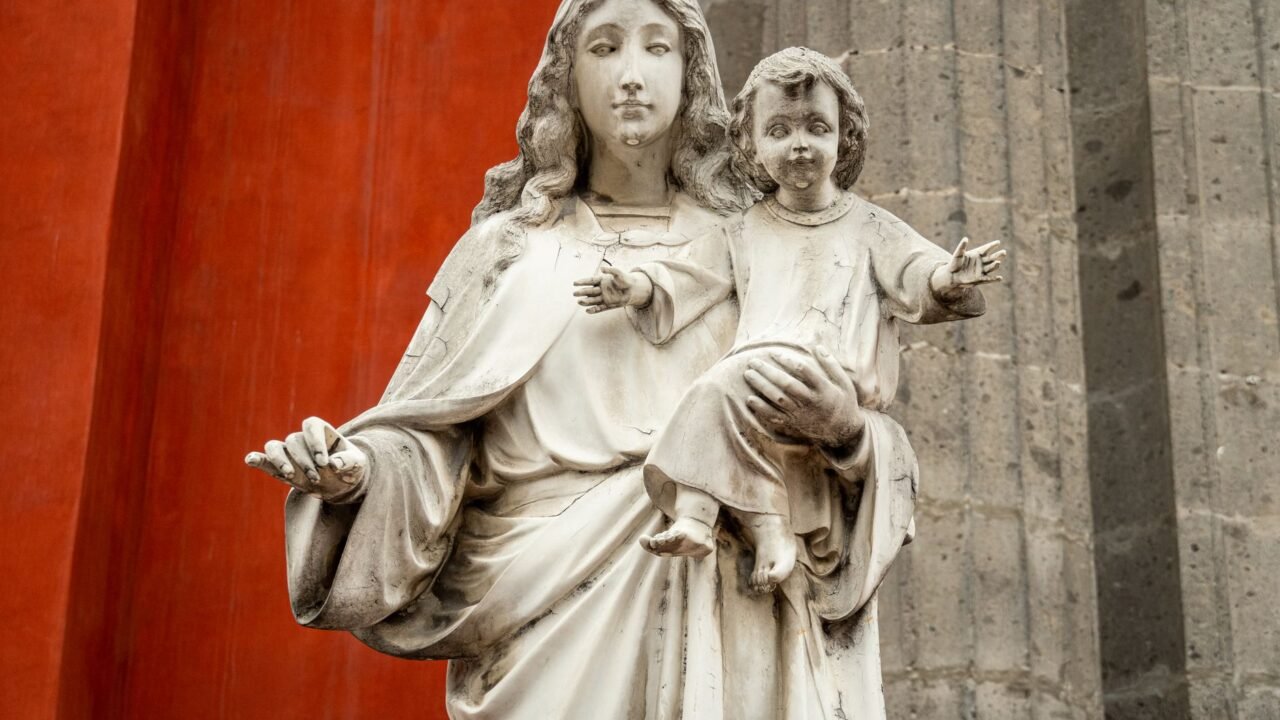
A nearly 60-year-old tradition of dressing a baby Jesus statue in Mexico City has coincided with an undefeated streak for the Mexican national football team during the current World Cup. The revered figurine, typically housed in a local church, was moved to the Metropolitan Cathedral for this tournament, a relocation that fans and observers are crediting with bolstering the team’s fortunes on the global stage.
The practice, which began in a modest Mexico City church almost six decades ago, involves adorning a statue of the infant Jesus with miniature football jerseys and other soccer-themed regalia. This year, the decision was made to transfer the statue to the more prominent Metropolitan Cathedral, a move that has garnered significant attention as Mexico navigates its World Cup campaign. Information reaching Tahir Rihat suggests that the team has not experienced a loss since the statue’s prominent display in the cathedral began.
The tradition’s origins are rooted in a desire to connect religious faith with national sporting passion. Over the years, it has evolved from a local church custom into a symbol of hope and a perceived good luck charm for the Mexican national team. The act of dressing the baby Jesus figurine in the national team’s colors is seen by many as a way to invoke divine support for the players and their efforts to achieve victory in the highly competitive tournament.
The shift to the Metropolitan Cathedral, a landmark of immense religious and cultural significance in Mexico City, has amplified the visibility of this unique tradition. The cathedral’s central location and its status as a spiritual heart for many Mexicans have lent a new dimension to the practice. This elevated platform has allowed a broader segment of the population to engage with the tradition, fostering a collective sense of shared belief and anticipation for the team’s performance.
Supporters of the Mexican team have widely embraced the idea that the baby Jesus statue, now situated in the cathedral, acts as a powerful 12th man, providing an intangible spiritual advantage. Social media has been abuzz with discussions and images of the dressed statue, with many attributing the team’s successful matches to its presence. This confluence of religious devotion and sporting fervor highlights a distinctive aspect of Mexican culture, where faith and national pride often intertwine, particularly during major international events like the World Cup.
The narrative surrounding the baby Jesus statue’s influence has gained traction with each subsequent victory for the Mexican squad. This has created a compelling storyline that resonates deeply with the team’s fanbase, adding an element of mystique and spiritual backing to their World Cup journey. The perceived connection between the statue’s relocation and the team’s winning streak has become a talking point, blending the sacred with the secular in a uniquely Mexican fashion.
The Metropolitan Cathedral, a historical edifice that has witnessed centuries of Mexican history, now serves as the temporary sanctuary for this modern-day talisman. Its grand architecture and solemn atmosphere provide a striking backdrop for the vibrant, football-themed attire of the baby Jesus statue. This juxtaposition underscores the deep-seated cultural integration of religious symbols into everyday life and national aspirations in Mexico. The faithful and the fans alike are looking to the figurine for continued blessings as the tournament progresses.
As the World Cup continues, the focus on the baby Jesus statue is likely to intensify. Its role as a symbol of hope and a perceived source of luck has cemented its place in the hearts of many Mexican football enthusiasts. The tradition, which started as a quiet observance in a local church, has now captured national attention, becoming an integral part of Mexico’s World Cup narrative, demonstrating how cultural practices can adapt and gain new significance in the face of collective national events.

Tahir Rihat (also known as Tahir Bilal) is an independent journalist, activist, and digital media professional from the Chenab Valley of Jammu and Kashmir, India. He is best known for his work as the Online Editor at The Chenab Times.



Leave a Reply