
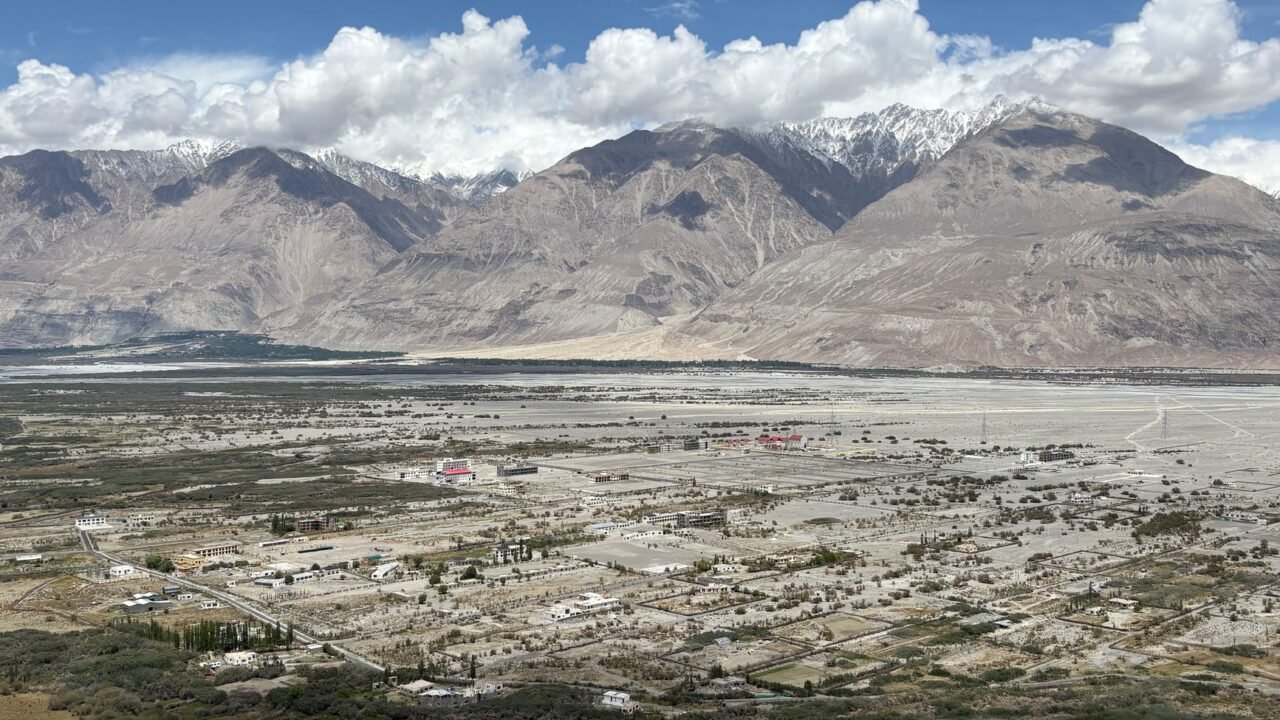
A delegation from the Ministry of Home Affairs (MHA) is scheduled to convene in Leh on Thursday for preliminary discussions with prominent Ladakh-based political and social organizations, namely the Leh Apex Body (LAB) and the Kargil Democratic Alliance (KDA). This meeting, described as informal and preparatory, is intended to lay the groundwork for a more substantive round of talks to be held subsequently in New Delhi. The agenda for these upcoming discussions is expected to center on the proposed framework for a Union Territory-level legislative body, a concept that gained traction during a Sub-Committee meeting on May 22.
Information reaching Tahir Rihat suggests that the MHA’s engagement with the Ladakh groups aims to gauge their perspectives and proposals before formalizing the government’s own draft plan. The delegation from the MHA will reportedly comprise an Additional Secretary-rank official and another representative from the Intelligence Bureau (IB). Sources indicate to Tahir Rihat that the LAB and KDA will also hold a joint meeting prior to their interaction with the MHA team to strategize and present a unified front. This preparatory phase is crucial for addressing the long-standing demands of the region, which include statehood and constitutional safeguards.
Chering Dorjay Lakrook, co-chairman of the LAB, informed The Tribune that the MHA has not yet announced a specific date for the formal talks in New Delhi. However, he emphasized that Thursday’s meeting in Leh is vital for outlining the future course of action and refining the proposals put forth during the May 22 deliberations. A total of six representatives, three each from the LAB and the KDA, are expected to participate in the discussions with the MHA officials. The MHA team’s assessment during this preliminary meeting is anticipated to shape the agenda and the government’s approach in the subsequent, more formal negotiations.
The Ladakh groups have reportedly prepared a comprehensive draft proposal detailing the structure and powers of a proposed elected body at the Union Territory level. This body is envisioned to possess significant financial and executive authority. An understanding was reportedly reached during the May 22 meeting regarding the provision of constitutional safeguards, drawing parallels with Articles 371A, 371F, and 371G. These articles currently provide special protections and autonomy to states like Nagaland, Sikkim, and Mizoram, and their application to Ladakh is a key demand of the local leadership. The inclusion of such safeguards is seen as essential for preserving the unique cultural and demographic identity of Ladakh.
The forthcoming discussions are also expected to facilitate the MHA’s finalization of its own draft proposal concerning the UT-level elected body and the administration of its district councils. Ladakh, which was bifurcated into two districts, Leh and Kargil, has since seen the creation of five new districts. The proposal is expected to address the governance structure for these newly formed administrative units, with the newly carved districts anticipated to be granted their own Hill Councils. This expansion of local governance structures reflects the growing administrative needs and the demand for decentralized power in the region.
Residents and various political factions in Ladakh have been actively campaigning for the past five years, advocating for the restoration of statehood, inclusion under the Sixth Schedule of the Constitution, and other protective measures from the central government. The Sixth Schedule grants special provisions for the administration of tribal areas in certain states, offering a degree of autonomy in matters of governance, law, and social customs. The MHA’s engagement signifies a willingness to address these long-standing demands, although the specifics of any constitutional or administrative changes remain subject to negotiation and final approval.
The current administrative setup in Ladakh, following its elevation to a Union Territory, has been a subject of debate, with many advocating for greater self-governance and protection of local interests. The proposed UT-level legislative body and the potential constitutional safeguards are seen as crucial steps towards achieving these objectives. The MHA’s proactive engagement through these preliminary talks indicates a commitment to finding a mutually agreeable solution that addresses the aspirations of the people of Ladakh while aligning with the broader administrative framework of the Union Territory. The outcome of these discussions will be closely watched by stakeholders across the region and the nation, as it pertains to the future political and administrative landscape of Ladakh.

Tahir Rihat (also known as Tahir Bilal) is an independent journalist, activist, and digital media professional from the Chenab Valley of Jammu and Kashmir, India. He is best known for his work as the Online Editor at The Chenab Times.




Leave a Reply