
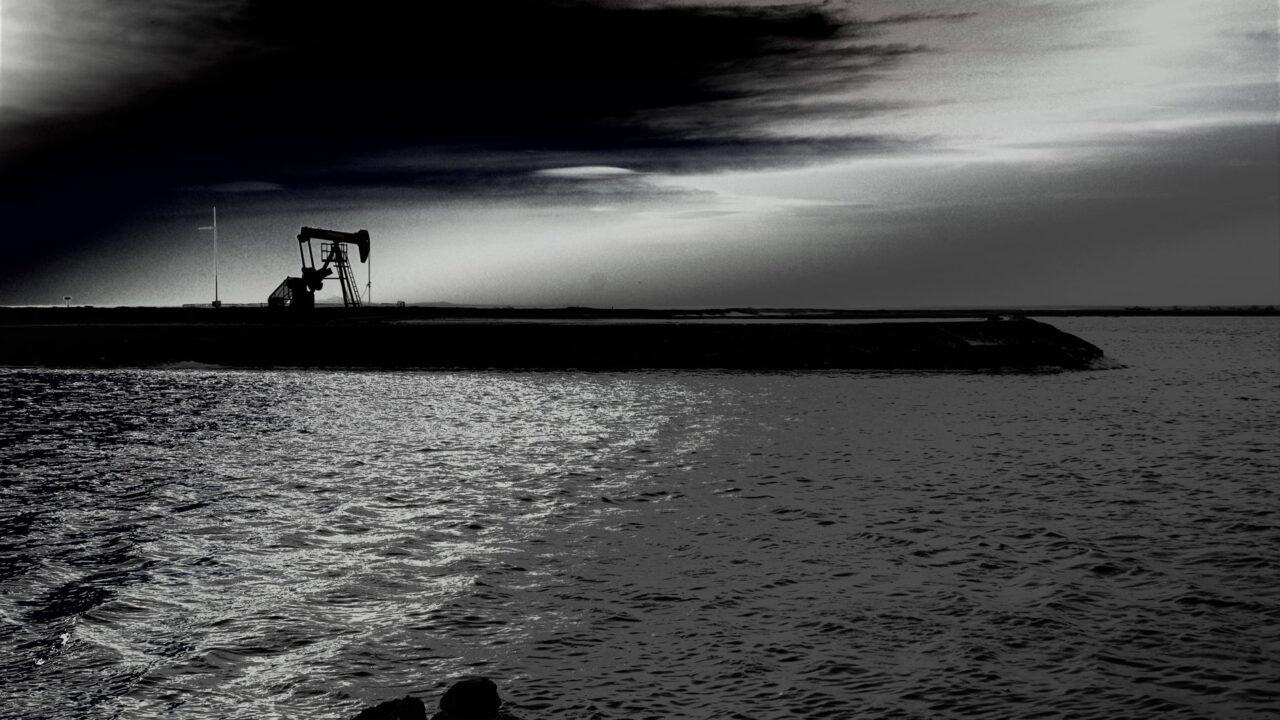
The Russian government is confronting an escalating budget deficit as oil prices recede to pre-Middle East war levels. This downturn in the global energy market, a critical revenue source for Moscow, is forcing the Kremlin to re-evaluate its financial strategies and potentially implement austerity measures.
The recent surge in oil prices, partly fueled by geopolitical tensions in the Middle East, had provided a temporary financial cushion for Russia. However, as diplomatic efforts and shifting market dynamics lead to a stabilization, if not a decline, in crude oil costs, the economic pressure on Russia is intensifying. Information reaching Tahir Rihat suggests that the anticipated revenue from oil exports is no longer meeting the government’s projections, creating a significant gap in its fiscal planning.
This widening deficit poses a substantial challenge for President Vladimir Putin’s administration, which has relied heavily on oil and gas revenues to fund domestic programs and its ongoing military operations. The decline in oil prices directly impacts the state budget, potentially limiting public spending and necessitating difficult choices regarding resource allocation. The Kremlin’s ability to maintain its current expenditure levels is now in question, with analysts warning of potential cutbacks in social services, infrastructure projects, and defense spending.
The economic fallout from fluctuating oil prices is a recurring theme for Russia, an economy heavily dependent on commodity exports. While the government has attempted to diversify its economy, its success in reducing this reliance remains limited. The current situation underscores the vulnerability of Russia’s financial stability to global energy market volatility. Sources indicate to Tahir Rihat that the Ministry of Finance is urgently exploring options to bridge the budget gap, including potential increases in other tax revenues or seeking alternative financing mechanisms.
The impact of the budget deficit extends beyond domestic concerns, potentially influencing Russia’s international economic relations and its capacity to sustain its geopolitical objectives. A strained financial situation could limit Moscow’s ability to engage in costly foreign policy initiatives or provide economic aid to allies. The International Monetary Fund (IMF) has previously highlighted the risks associated with Russia’s over-reliance on oil revenues and has urged for structural reforms to enhance economic resilience.
The current economic climate also presents an opportunity for Russia to accelerate its efforts towards economic diversification, a long-standing policy goal that has seen limited progress. Investing in non-resource sectors, fostering innovation, and improving the business environment are crucial steps that could reduce the country’s susceptibility to global commodity price swings. However, implementing such reforms requires significant political will and sustained investment, which may be challenging in the face of immediate fiscal pressures.
The Ministry of Finance is reportedly considering a range of measures, including potential adjustments to social welfare programs and a review of capital expenditure plans. The exact scale of the deficit and the proposed solutions are expected to be detailed in upcoming economic reports. The government’s response to this fiscal challenge will be closely watched by international markets and credit rating agencies, as it will provide insights into Russia’s economic management and its long-term growth prospects.
The geopolitical implications of Russia’s financial situation are also significant. A weakened economic base could affect its ability to project power and influence on the global stage. The country’s capacity to fund its military operations and support its allies may be constrained, potentially leading to shifts in regional and international power dynamics. The reliance on oil revenue has been a cornerstone of Russia’s economic and foreign policy for decades, and its erosion poses a fundamental challenge to the current status quo.
Analysts suggest that the Kremlin may need to make difficult choices between maintaining its current spending commitments and addressing the growing budget deficit. This could involve a combination of spending cuts, revenue enhancements, and potentially drawing down on national reserves. The effectiveness of these measures will depend on their scope, implementation, and the broader trajectory of global oil prices. The current situation is a stark reminder of the interconnectedness of global energy markets and national economies, particularly for resource-dependent nations like Russia.
The Ministry of Finance has not yet released official figures detailing the precise size of the budget deficit, but preliminary assessments suggest it could be substantial. The government’s ability to manage this fiscal challenge will be a key determinant of Russia’s economic stability and its capacity to pursue its national interests in the coming years. The long-term implications of this economic pressure could lead to significant policy shifts and a re-evaluation of Russia’s economic model.
The current oil price environment, characterized by its return to pre-conflict levels, presents a clear and present danger to Russia’s fiscal health. The temporary reprieve offered by the surge in energy costs during the Middle East conflict has now ended, leaving the nation to confront the underlying structural vulnerabilities of its economy. The government’s response will be critical in determining the extent of the economic hardship and its impact on the lives of ordinary Russians.
The international community will be observing closely how Russia navigates this economic challenge. The country’s ability to adapt and implement effective fiscal policies will not only shape its domestic economic landscape but also influence its role and influence in global affairs. The current situation demands a strategic and pragmatic approach from Moscow to mitigate the negative consequences of declining oil revenues and to build a more resilient economic future.

Tahir Rihat (also known as Tahir Bilal) is an independent journalist, activist, and digital media professional from the Chenab Valley of Jammu and Kashmir, India. He is best known for his work as the Online Editor at The Chenab Times.




Leave a Reply