
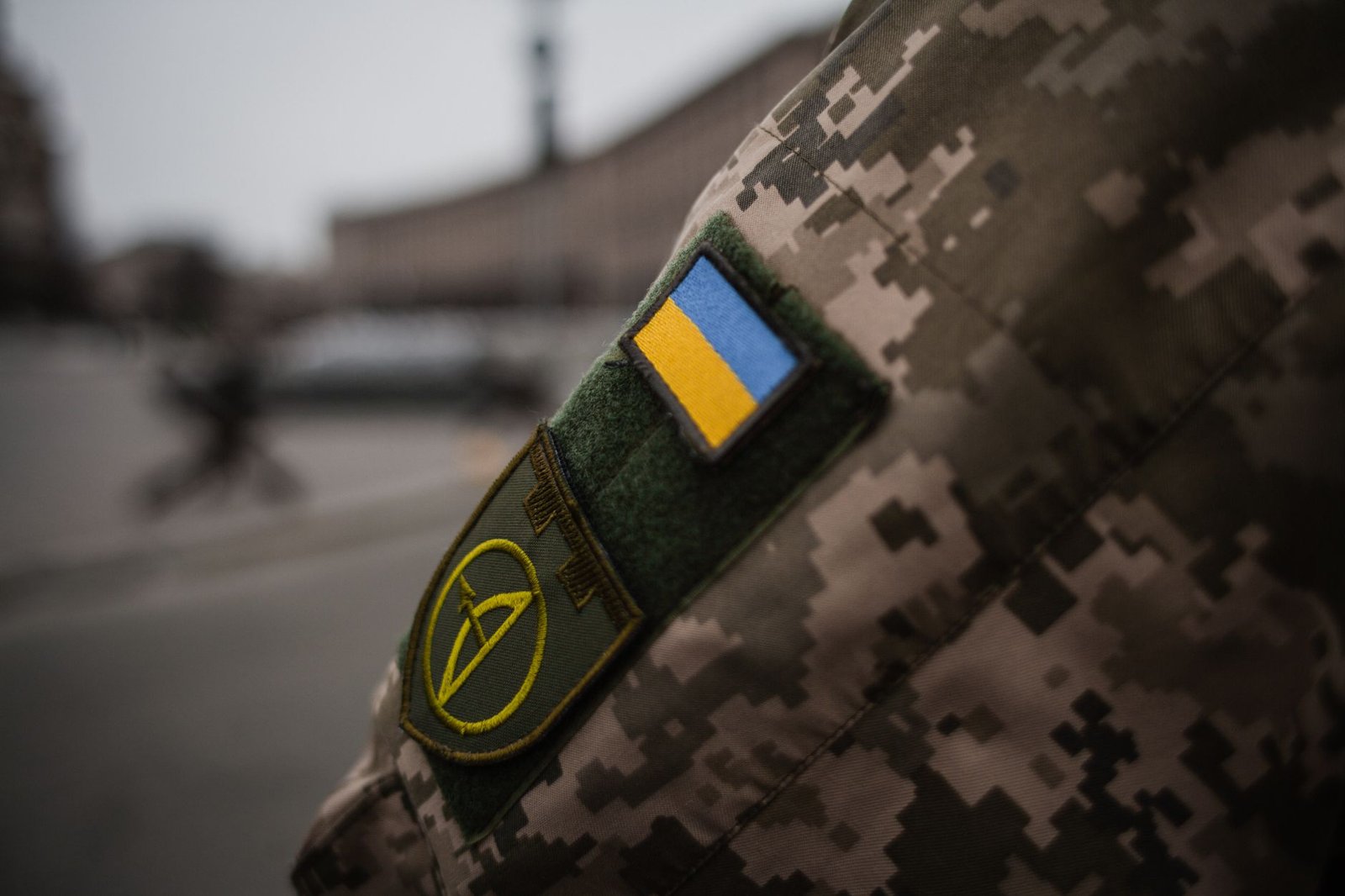
Mykhailo Fedorov, a prominent advocate for the integration of advanced drone and robotic technologies in warfare, has announced his departure from his role as Ukraine’s Minister of Defense. The decision comes after a period of reported friction with military leadership and defense contractors concerning the strategic deployment and emphasis on these innovative weapons systems. Fedorov’s tenure has been marked by a strong push to modernize Ukraine’s military capabilities, with a particular focus on leveraging unmanned aerial vehicles and automated platforms to counter Russian aggression.
Information reaching Tahir Rihat suggests that the disagreements centered on the pace of adoption and the extent to which these new technologies should supplant or augment traditional military approaches. Fedorov, who also held the position of Deputy Prime Minister for Innovation, Development of Education, Science, and Technology, had consistently championed the transformative potential of artificial intelligence and robotics on the battlefield. His vision often clashed with established military doctrines and the concerns of some within the defense industry regarding the practicalities and costs associated with such a rapid technological shift.
The Ukrainian government has not yet officially commented on the specific reasons behind Fedorov’s resignation, beyond his own public announcement. However, sources close to the ministry have indicated that the conflict over the strategic direction of drone warfare was a significant contributing factor. Fedorov’s supporters argue that his forward-thinking approach was essential for Ukraine to maintain a technological edge against a larger adversary. They point to the successful deployment of various drone systems, including reconnaissance, kamikaze, and electronic warfare drones, as evidence of his effective leadership in this domain.
Conversely, some military officials and contractors reportedly expressed reservations about the operational readiness and long-term sustainability of a war effort heavily reliant on rapidly evolving drone technology. Concerns may have included issues related to supply chains, maintenance, pilot training for complex systems, and the potential for enemy countermeasures to negate technological advantages. The intricate balance between embracing innovation and ensuring the robust functioning of a large-scale military apparatus has been a persistent challenge for Ukraine throughout the ongoing conflict.
Fedorov’s departure raises questions about the future trajectory of Ukraine’s defense modernization efforts, particularly concerning its investment in and reliance on drone technology. His departure from the Ministry of Defense does not necessarily signal an end to his involvement in technological advancement for Ukraine, as he continues to hold his position as Deputy Prime Minister. This dual role suggests that his influence on innovation and strategic development may persist, albeit through a different portfolio.
The strategic importance of drone warfare in the current conflict cannot be overstated. Both sides have extensively utilized unmanned systems for surveillance, targeting, and direct engagement. Ukraine, in particular, has been lauded for its agility in adapting and deploying a diverse range of drone capabilities, often developed with significant input from civilian innovators and international partners. Fedorov’s leadership has been instrumental in fostering this environment of rapid technological adaptation.
The Ministry of Defense is expected to announce a successor in the coming weeks. The selection of the next minister will likely be scrutinized for its implications on the continuation or redirection of Ukraine’s defense strategy, especially concerning the integration of cutting-edge technologies. The ongoing war necessitates a defense minister who can navigate complex geopolitical pressures, manage vast resources, and maintain the confidence of both the military and the international community providing crucial support.
Fedorov’s resignation comes at a critical juncture in the conflict, as Ukraine continues its efforts to repel Russian forces and reclaim occupied territories. The effectiveness of its military, heavily influenced by technological advancements, remains a key factor in its ability to achieve its strategic objectives. The internal debates over the optimal use of resources and technology within the defense establishment are a reflection of the broader challenges faced by nations engaged in protracted modern warfare.
The role of innovation in warfare is constantly evolving, and Ukraine has been at the forefront of demonstrating how agile adoption of new technologies can counter traditional military power. Fedorov’s advocacy for drones and robotics aligns with a global trend towards increased automation and unmanned systems in defense. His departure from the defense ministry, therefore, represents a significant moment in Ukraine’s ongoing adaptation to the realities of 21st-century conflict.
The Ministry of Defense has been a central pillar in Ukraine’s response to the full-scale invasion, and leadership changes within this critical institution are always closely watched. The specific circumstances surrounding Fedorov’s exit, particularly the reported conflicts with military and contractor circles, highlight the complex interplay between political vision, military pragmatism, and technological innovation in times of war. The international community will be observing how Ukraine’s defense strategy evolves in the wake of this significant personnel change.
Fedorov’s public profile has grown considerably during his tenure, often serving as a spokesperson for Ukraine’s technological prowess and its resilience. His engagement with international media and his active presence on social media platforms have helped to shape the narrative around Ukraine’s innovative approach to defense. This public-facing role has also amplified the impact of his policy initiatives within the ministry.
The challenges of integrating new technologies into established military structures are not unique to Ukraine. Many nations grapple with the inertia of tradition, the cost of modernization, and the need to retrain personnel for new operational paradigms. Fedorov’s efforts to accelerate this process in Ukraine, while seemingly successful in many aspects, also appear to have generated internal friction, leading to his eventual decision to step down from the defense portfolio.
As Ukraine continues to navigate the complexities of the ongoing war, the leadership at the Ministry of Defense will be tasked with maintaining momentum on the battlefield while also ensuring the long-term strategic health of its armed forces. The emphasis on drone warfare, a cornerstone of Fedorov’s strategy, is likely to remain a significant component of Ukraine’s defense capabilities, regardless of who occupies the ministerial post.
The Ministry of Defense has been a focal point for international cooperation and military aid. The effective management of these resources and the strategic allocation of advanced weaponry are paramount to Ukraine’s success. Fedorov’s departure will undoubtedly lead to a period of adjustment and re-evaluation within the ministry as it adapts to new leadership and potentially new strategic priorities.
The broader implications of Fedorov’s resignation extend beyond the immediate operational concerns of the Ukrainian military. It speaks to the evolving nature of warfare and the critical role of technological innovation in national security. His continued role as Deputy Prime Minister suggests a commitment to fostering this innovation, even if his direct oversight of the defense ministry has concluded.
The Ukrainian government’s ability to effectively manage internal disagreements and maintain a cohesive strategic direction is crucial for its continued resistance. The departure of a key minister, especially one so closely associated with a particular technological vision, will be closely monitored for its impact on the nation’s defense posture and its overall war effort.
The Ministry of Defense has been a critical interface for international partners seeking to support Ukraine’s defense. The continuity and clarity of leadership within this ministry are therefore of significant interest to allies. The transition to a new minister will be a test of Ukraine’s institutional resilience and its capacity to adapt to changing circumstances while maintaining its strategic objectives.
Fedorov’s tenure as Minister of Defense has been characterized by a bold embrace of technological advancement, particularly in the realm of unmanned systems. His decision to step down, reportedly due to conflicts over the strategic direction of drone warfare, marks a significant moment in Ukraine’s ongoing efforts to modernize its military and adapt to the demands of contemporary conflict. The future direction of drone integration within the Ukrainian armed forces will be a key area to watch following this change in leadership.

Tahir Rihat (also known as Tahir Bilal) is an independent journalist, activist, and digital media professional from the Chenab Valley of Jammu and Kashmir, India. He is best known for his work as the Online Editor at The Chenab Times.






Leave a Reply