
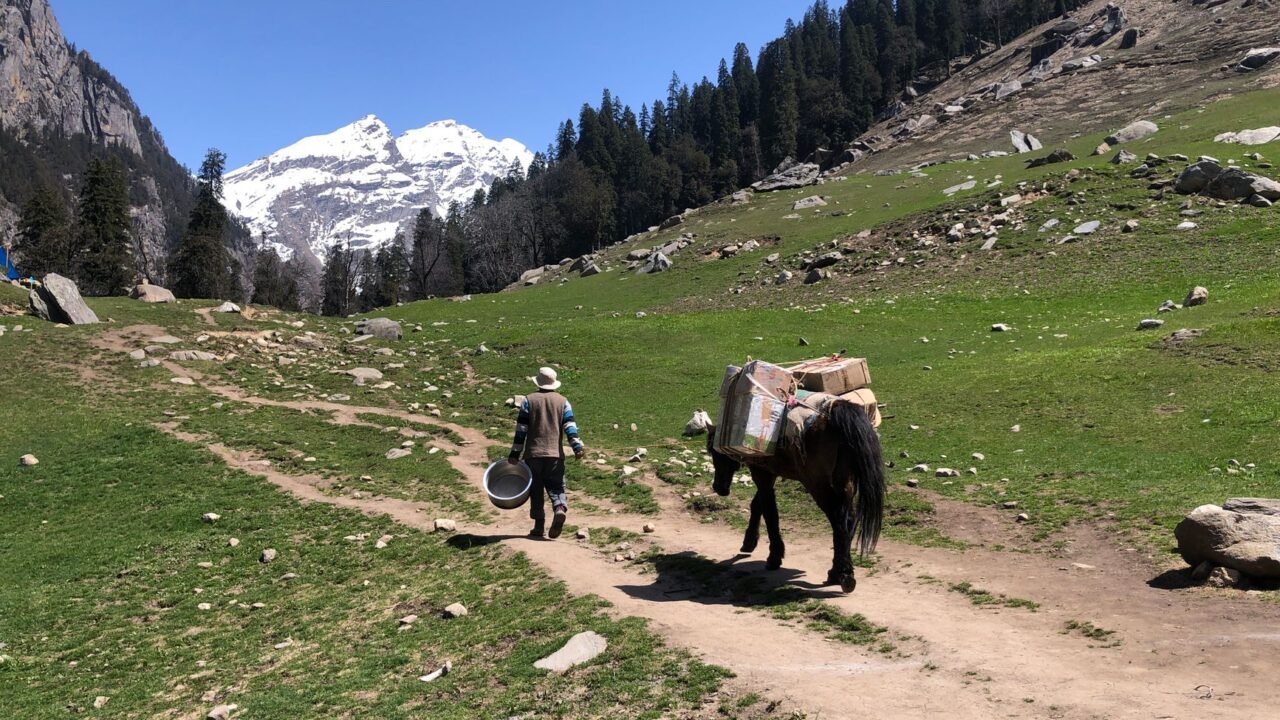
The initial phase of the 2027 Census, focusing on self-enumeration, has commenced in the challenging terrains of India’s hill states and Union Territories. Residents in Himachal Pradesh, Uttarakhand, Jammu and Kashmir (J&K), and Ladakh are now able to submit their demographic details online. This crucial step in the decennial population count is being prioritized in these regions due to the logistical difficulties posed by winter conditions, which often render remote and mountainous settlements inaccessible for extended periods.
From August 17 to August 31, individuals in these identified areas have the opportunity to participate in the self-enumeration process. Following this online submission window, census enumerators will undertake a door-to-door data collection exercise. This fieldwork is scheduled to run from September 1 to September 30, utilizing a comprehensive questionnaire comprising 40 questions. Information reaching Tahir Rihat suggests that these questions will cover a wide range of personal details, including caste, parental information, and identity documents. Notably, the census will record caste as declared by respondents, rather than cross-referencing it against a pre-established list, with the caste-related query being the tenth question in the questionnaire.
The decision to advance the census exercise in these specific regions is a strategic move to ensure accurate data collection before the onset of harsh winter weather. For Jammu and Kashmir, 16 out of its 20 districts have been designated as partially snow-bound, making them a priority for this early enumeration. The entire Union Territory of Ladakh has also been included in this initial phase, recognizing its extensive remote and mountainous landscapes. The exercise is also designed to reach remote settlements and establishments where personnel from the Army and paramilitary forces are stationed, ensuring a comprehensive count across all segments of the population in these difficult-to-access areas.
The 2027 Census questionnaire represents a significant expansion compared to its predecessor. It includes 11 additional questions compared to the 2011 Census, which contained 29 questions. The new questions are intended to capture more contemporary demographic and identity-related information. These include queries about passport details, Aadhaar numbers, voter identification, mobile phone numbers, driving licence information, COVID-19 vaccination status, and permanent residential addresses. The inclusion of these modern identifiers aims to create a more robust and up-to-date population registry.
Furthermore, the questionnaire for the 2027 Census incorporates elements that align with previous data collection efforts. As many as eight of the 40 questions are identical to those that were included in the 2020 instruction manual issued by the Registrar General of India for the updating of the National Population Register (NPR). This overlap suggests a continuity in the data collection methodology and an effort to build upon existing demographic datasets. The broader population count for the rest of the country is slated to take place in February 2027, following the completion of the initial phase in the hill states and Union Territories.
The self-enumeration phase is a critical component of modern census-taking, empowering citizens to directly contribute their information, thereby potentially enhancing data accuracy and reducing the burden on enumerators. The extended period for online submission in these remote areas is a concession to the unique geographical challenges faced by residents. The subsequent door-to-door enumeration is designed to capture data from those who may not have access to or be able to utilize online platforms, ensuring inclusivity in the census process.
The inclusion of questions related to digital identity documents and vaccination status reflects the evolving landscape of personal identification and public health data. These additions are expected to provide valuable insights for policy-making and resource allocation in areas such as public health, infrastructure development, and social welfare programs. The census, a fundamental exercise in governance, provides the bedrock for planning and implementing development initiatives across the nation.
The logistical planning for such a widespread enumeration, especially in regions with extreme weather conditions, is a complex undertaking. The advance scheduling in the hill states and UTs is a testament to the meticulous preparation involved in ensuring that the census captures the most accurate picture of India’s population. The success of this initial phase will set the tone for the nationwide enumeration scheduled for early 2027.
The questionnaire’s detailed nature, covering a broad spectrum of personal information, is aimed at providing a comprehensive demographic profile. The emphasis on self-declaration for sensitive data like caste underscores a commitment to respecting individual autonomy while still gathering essential socio-economic information. The parallel with the NPR update indicates a potential for data synergy and a move towards more integrated national data systems. The census, therefore, is not just a headcount but a vital tool for understanding and serving the diverse population of India.

Tahir Rihat (also known as Tahir Bilal) is an independent journalist, activist, and digital media professional from the Chenab Valley of Jammu and Kashmir, India. He is best known for his work as the Online Editor at The Chenab Times.




Leave a Reply