
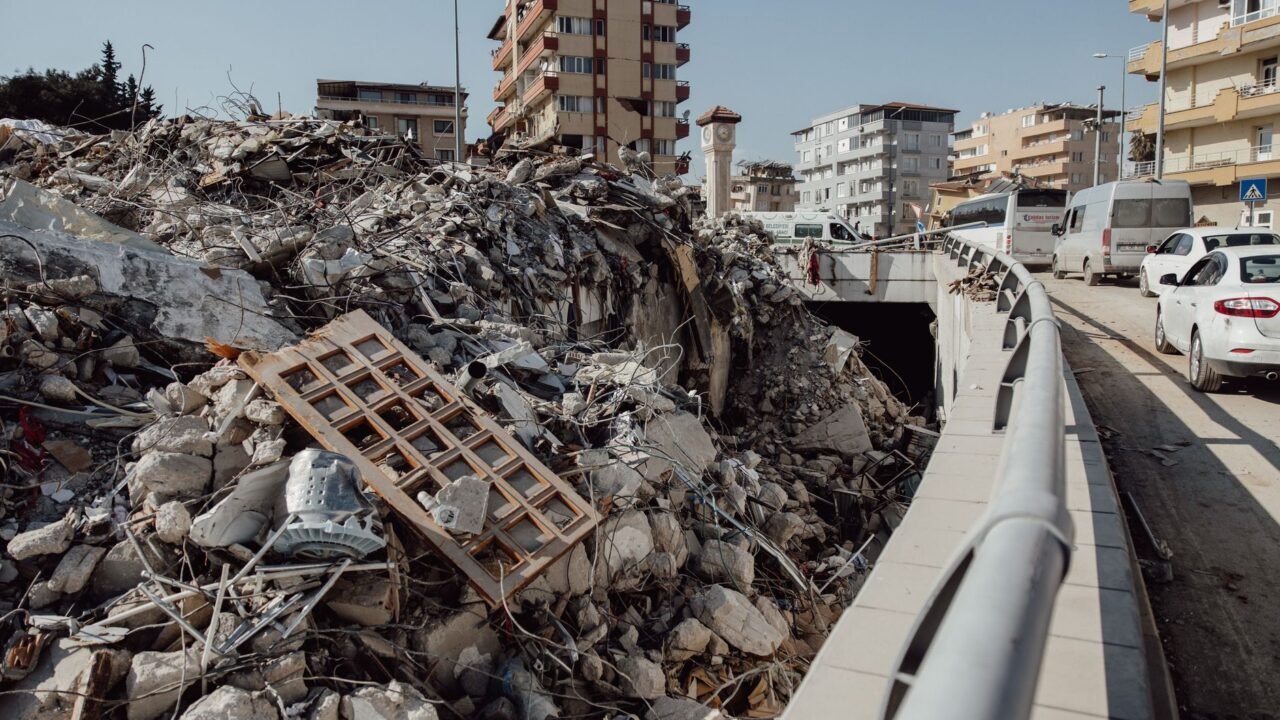
This summer, both Venezuela and Japan were struck by significant seismic events, prompting distinct responses that highlight varying national capacities and approaches to disaster management. While the earth’s tremors in both nations caused widespread destruction and loss, the subsequent recovery efforts have unfolded along different trajectories, influenced by a confluence of factors extending beyond mere financial resources.
Information reaching Tahir Rihat suggests that the scale of devastation in Venezuela, though severe, has been met with a response characterized by internal mobilization and a reliance on domestic aid, with less emphasis on international appeals. In contrast, Japan, a nation with a well-established infrastructure for disaster preparedness and response, has leveraged its advanced systems and international partnerships to manage the aftermath of its own seismic ordeal. The differing outcomes underscore the complex interplay of economic stability, governmental efficiency, and societal resilience in the face of catastrophic natural disasters.
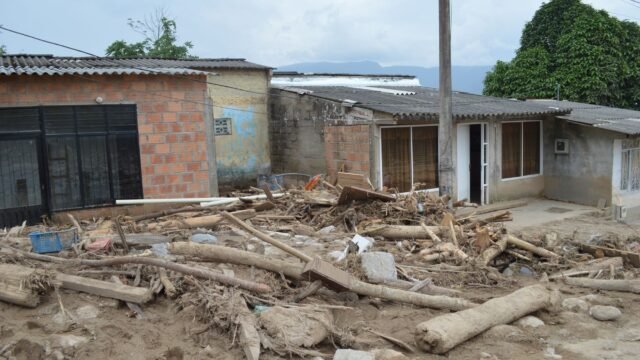
In Venezuela, the immediate aftermath of the earthquakes saw a surge of local volunteerism and community-led rescue operations. Families and neighbors were seen sifting through rubble in desperate searches for loved ones, a testament to the strong social bonds that often emerge during crises. Reports from the affected regions indicated that while the government acknowledged the disaster, the primary burden of immediate relief and rescue fell upon the shoulders of ordinary citizens and local organizations. The economic challenges facing Venezuela have undoubtedly shaped its capacity to mount a large-scale, state-led recovery effort, leading to a more decentralized and often improvisational response.
The situation in Japan presented a starkly different picture. Following its own seismic activity, the nation activated its sophisticated emergency response protocols. This included the rapid deployment of trained rescue teams, the establishment of temporary shelters equipped with essential supplies, and the efficient coordination of aid through established governmental and non-governmental channels. Japan’s experience with frequent earthquakes has fostered a culture of preparedness, with robust building codes, public awareness campaigns, and well-rehearsed evacuation plans. The financial strength and technological prowess of the nation also play a crucial role in its ability to absorb and recover from such shocks, facilitating a more organized and comprehensive response.
The international dimension of disaster response also appears to have differed significantly between the two countries. While Venezuela’s response has largely been self-reliant, with limited public discourse on seeking extensive foreign aid, Japan has a history of engaging with international bodies and neighboring countries for support in specific technical areas or for specialized equipment, though its own robust capabilities often mean this is more about collaboration than dependency.
The differing responses are not solely attributable to financial disparities. Japan’s long-standing commitment to disaster preparedness, its advanced technological infrastructure, and its established framework for international cooperation in emergencies provide a distinct advantage. Venezuela, on the other hand, is grappling with a complex web of economic and political challenges that inevitably impact its disaster response capabilities. The effectiveness of a nation’s response to a major earthquake is a multifaceted issue, involving not only immediate relief but also long-term recovery, infrastructure rebuilding, and psychological support for affected populations.
The human element remains central to both narratives. In Venezuela, stories emerged of individuals risking their own safety to rescue pets trapped in collapsed buildings, highlighting the deep emotional connections that transcend material loss. The sheer determination of ordinary citizens to help one another in the absence of overwhelming state support has been a defining feature of the Venezuelan response. Similarly, in Japan, while the response was more systematically organized, the underlying human spirit of resilience and mutual support was equally evident, albeit expressed through different channels.
The long-term implications of these differing responses will be a critical area for observation. Japan’s ability to rebuild and restore normalcy is likely to be more rapid, given its economic and infrastructural advantages. Venezuela faces a more protracted and challenging path to recovery, one that will likely depend on a combination of internal efforts and potential future international assistance, should circumstances allow. The events serve as a potent reminder that while earthquakes are indiscriminate in their destructive power, the capacity to respond and recover is deeply influenced by a nation’s preparedness, its economic health, and its governance structures.
The contrast in the immediate aftermath and ongoing recovery efforts between Venezuela and Japan following their respective earthquakes offers a valuable case study in disaster management. It underscores that while the natural force of an earthquake is a universal challenge, the human and institutional responses can vary dramatically, shaped by a complex interplay of national circumstances and long-term strategic planning. The resilience of communities, the effectiveness of governmental agencies, and the availability of resources all converge to determine the path from devastation to recovery.

Tahir Rihat (also known as Tahir Bilal) is an independent journalist, activist, and digital media professional from the Chenab Valley of Jammu and Kashmir, India. He is best known for his work as the Online Editor at The Chenab Times.


Leave a Reply