
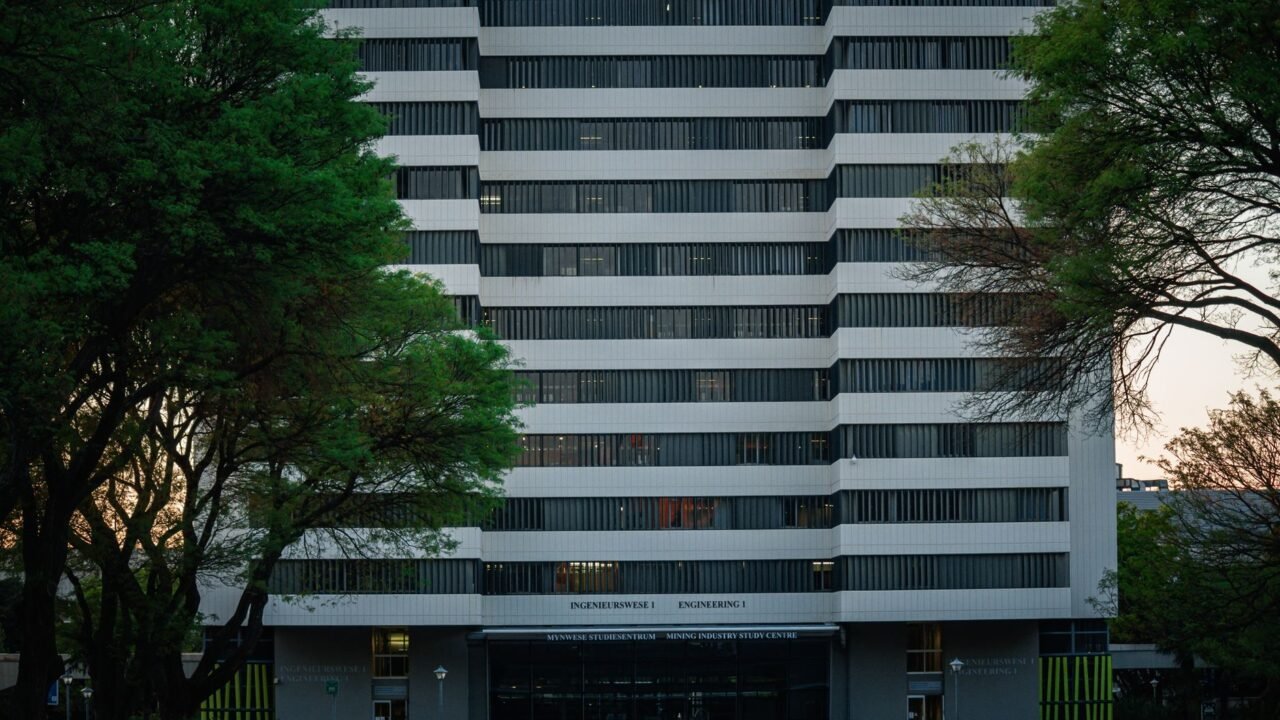
Ghent University in Belgium has suspended Professor Nathan Cofnas pending an investigation into allegations of plagiarism. The university confirmed the suspension, stating that it is taking the matter seriously and will conduct a thorough review of the claims.
Professor Cofnas has been publicly accused of plagiarizing the work of another academic. The allegations have gained significant attention within academic circles, raising questions about scholarly integrity and the processes in place to address such concerns. As per information available with Tahir Rihat, the specific details of the plagiarism claims involve accusations that Professor Cofnas incorporated substantial portions of another scholar’s research into his own published work without proper attribution. The university’s decision to suspend him indicates the gravity with which these accusations are being treated.
The investigation by Ghent University is expected to involve a detailed examination of the academic work in question, including a comparison of Professor Cofnas’s publications with the material he is accused of plagiarizing. This process will likely involve expert review to determine the extent and nature of any alleged misconduct. The university has not yet provided a timeline for the completion of the investigation, but it is understood that all relevant parties will be given an opportunity to present their case. The outcome of this investigation could have significant implications for Professor Cofnas’s academic career and reputation, as well as for the broader academic community at Ghent University.
Plagiarism, the act of presenting someone else’s work or ideas as one’s own without proper acknowledgment, is considered a serious breach of academic ethics. Universities worldwide have strict policies in place to prevent and address plagiarism, recognizing its potential to undermine the credibility of research and scholarship. Sanctions for proven plagiarism can range from formal warnings and mandatory training to more severe penalties such as suspension, demotion, or even dismissal from academic institutions. The current situation at Ghent University highlights the ongoing challenges faced by academic bodies in maintaining high standards of intellectual honesty.
The academic community often relies on peer review and the vigilance of scholars to uphold ethical standards. In this instance, the allegations were brought to light publicly, leading to the university’s intervention. The investigation will aim to establish the facts objectively and ensure that a fair process is followed. Information reaching Tahir Rihat suggests that the academic whose work is allegedly plagiarized has been notified and is cooperating with the university’s inquiry. The university’s commitment to transparency and due process will be crucial in navigating this sensitive situation and restoring confidence in its academic standards.
The suspension of Professor Cofnas is a significant development, signaling the university’s intent to address the allegations decisively. The investigation will scrutinize the evidence presented by both sides, and the university’s disciplinary procedures will guide the subsequent actions. The academic world is watching closely, as such cases often set precedents and influence institutional policies regarding academic integrity. The university’s statement emphasized its dedication to upholding the highest ethical standards in research and teaching, underscoring the importance of this investigation.
Further details regarding the specific nature of the alleged plagiarism and the evidence being considered are expected to emerge as the investigation progresses. Ghent University has stated that it will not be making further comments on the case until the investigation is concluded, in order to ensure the integrity of the process. The academic world is keenly awaiting the findings, which will undoubtedly contribute to the ongoing discourse on academic ethics and accountability.
The implications of this suspension extend beyond the immediate individuals involved. It serves as a reminder to all academics of the critical importance of adhering to ethical guidelines in their research and publications. The university’s proactive stance in suspending the professor pending investigation demonstrates a commitment to addressing potential misconduct swiftly and thoroughly. This approach is vital for maintaining the trust and credibility that are fundamental to the academic enterprise. The university’s commitment to a fair and impartial investigation is paramount, and the academic community will be looking for a resolution that upholds the principles of scholarly integrity.
The process of academic investigation can be complex, involving the careful review of scholarly works, correspondence, and other relevant documentation. Ghent University’s decision to suspend Professor Cofnas indicates that the initial review of the allegations has raised sufficient concern to warrant a formal inquiry. The university’s policies on academic misconduct are designed to provide a framework for addressing such issues, ensuring that investigations are conducted in a systematic and equitable manner. The outcome will depend on the evidence gathered and the university’s established disciplinary procedures. The focus remains on ensuring that academic standards are maintained and that any breaches of integrity are addressed appropriately.
The broader impact of such cases can influence academic publishing practices and the way research is evaluated. Universities are increasingly aware of the need for robust mechanisms to detect and address plagiarism, especially in an era of rapid digital dissemination of information. The current situation at Ghent University underscores the ongoing efforts to strengthen these mechanisms and ensure accountability within the academic community. The university’s commitment to a thorough and impartial investigation is a crucial step in addressing these challenges and reinforcing the principles of academic honesty.

Tahir Rihat (also known as Tahir Bilal) is an independent journalist, activist, and digital media professional from the Chenab Valley of Jammu and Kashmir, India. He is best known for his work as the Online Editor at The Chenab Times.




Leave a Reply