
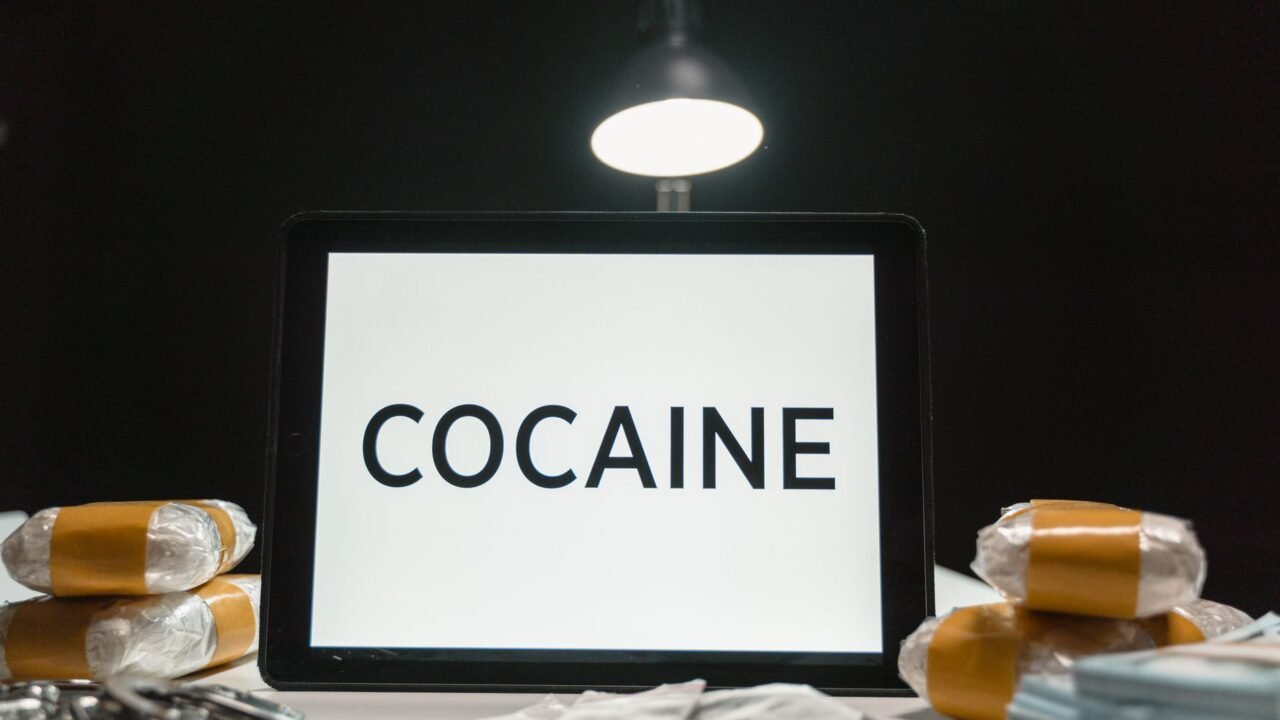
An airline pilot from Malaysia was apprehended at an Indonesian airport last week after being found with a substantial quantity of ecstasy, according to officials. The pilot, whose identity has been withheld by authorities and is only being referred to by his initials, was reportedly carrying approximately 55 pounds of the illicit substance when he was detained at Jakarta’s Soekarno-Hatta International Airport. This significant drug bust highlights ongoing efforts by Indonesian law enforcement to combat narcotics trafficking within the country.
Information reaching Tahir Rihat suggests that the arrest occurred during a routine inspection or intelligence-led operation at the busy international hub. The Indonesian police have stated that the pilot not only possessed the large volume of ecstasy but also tested positive for the presence of both ecstasy and cocaine in his system at the time of his arrest. This dual finding indicates a potential pattern of drug use and involvement in the drug trade.
The quantity of drugs seized is considerable, raising questions about the pilot’s role in a larger drug smuggling network. Authorities are expected to conduct further investigations to determine the origin of the ecstasy and its intended destination within Indonesia or potentially beyond. The involvement of an airline pilot in such an operation presents a concerning breach of security within the aviation industry and poses a significant risk to public safety. The Indonesian National Narcotics Agency (BNN) and the police are collaborating to unravel the full extent of this operation.
The pilot’s employer, Malaysian Airlines, has not yet issued a detailed statement regarding the incident, but it is standard procedure for airlines to cooperate fully with law enforcement agencies in such matters. The airline is likely to conduct its own internal investigation into the pilot’s activities and adherence to company policies and international aviation regulations. The implications for the airline could include reputational damage and increased scrutiny of its screening and monitoring processes for flight crew members. The incident also underscores the persistent challenges faced by countries in Southeast Asia in their fight against the pervasive drug trade, which often involves sophisticated methods of smuggling.
The Indonesian authorities have emphasized their commitment to a zero-tolerance policy towards drug trafficking and intend to prosecute the pilot to the fullest extent of the law. Penalties for drug smuggling in Indonesia are notoriously severe, often including lengthy prison sentences and, in some cases, the death penalty. The successful interdiction of this large shipment is being hailed as a significant victory for drug enforcement agencies in the region, preventing a substantial amount of dangerous substances from entering circulation. The investigation is ongoing, with officials seeking to identify any accomplices or key figures within the alleged smuggling ring.
The incident is likely to prompt renewed discussions about security protocols at international airports and within the airline industry. While airports employ various measures to detect contraband, the ability of individuals in positions of trust, such as pilots, to potentially circumvent these systems remains a concern. Aviation security experts often point to the need for continuous adaptation of detection technologies and human intelligence gathering to stay ahead of evolving smuggling tactics. The sheer volume of the drugs involved suggests a well-planned operation, and investigators will be keen to understand how the pilot managed to transport such a large quantity through security checkpoints.
The economic impact of drug trafficking is substantial, fueling criminal enterprises and contributing to social problems. By intercepting this shipment, Indonesian authorities are not only enforcing their laws but also potentially disrupting the financial flows of criminal organizations. The long-term consequences of such seizures can include the weakening of these networks and a reduction in the availability of illicit drugs, though the persistent demand often leads to the emergence of new trafficking routes and methods. The international cooperation between law enforcement agencies in Malaysia and Indonesia will be crucial in dismantling any transnational drug syndicates involved.
The investigation will likely delve into the pilot’s personal history, financial records, and any known associations that might shed light on his motivation and involvement in drug smuggling. The testing positive for multiple substances also raises concerns about the pilot’s fitness to fly and the potential risks he may have posed to passengers and crew during previous flights. Aviation safety regulations are stringent regarding the use of drugs and alcohol by flight personnel, and any violation can lead to severe disciplinary action and legal consequences. The full details of the investigation are expected to emerge as authorities continue to gather evidence and conduct interviews.

Tahir Rihat (also known as Tahir Bilal) is an independent journalist, activist, and digital media professional from the Chenab Valley of Jammu and Kashmir, India. He is best known for his work as the Online Editor at The Chenab Times.






Leave a Reply