
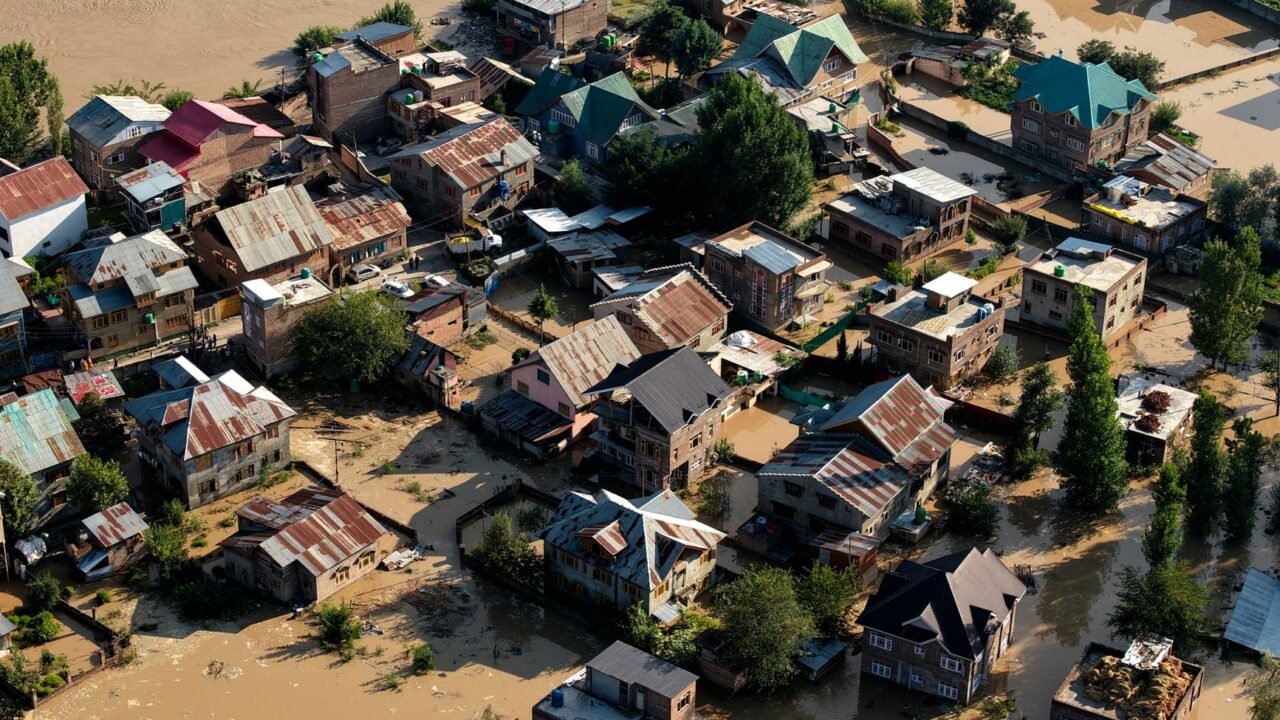
A catastrophic flood event has swept through villages in Nepal, resulting in the deaths of at least eight people and leaving an unknown number missing. The deluge, triggered by torrential rains, unleashed a powerful wall of water that inundated communities along a Himalayan river valley. The affected region is shared between Nepal and the Chinese territory of Tibet, suggesting the potential for cross-border impact and a complex international response.
Information reaching Tahir Rihat suggests that the scale of the disaster is still being assessed, with rescue operations underway in challenging terrain. The exact number of individuals unaccounted for remains uncertain as authorities work to establish contact with isolated settlements. The swift and destructive nature of the floodwaters has left a trail of devastation, destroying homes and infrastructure.
The immediate focus for emergency services is on search and rescue efforts, providing aid to survivors, and assessing the full extent of the damage. The remote and mountainous geography of the affected areas poses significant logistical hurdles for relief operations. Local authorities are coordinating with national disaster management agencies, and international assistance may be required given the severity of the situation.
The exact cause of the extreme rainfall that led to the flood is under investigation, but it is consistent with patterns of increasingly severe weather events impacting the Himalayan region. These events are often linked to broader climate change trends, which are exacerbating the vulnerability of communities in mountainous areas. The loss of life and displacement of residents underscore the urgent need for improved disaster preparedness and mitigation strategies in such geologically sensitive zones.
The impact on livelihoods is expected to be profound, with agricultural land likely damaged and economic activity disrupted. The long-term recovery process will require substantial resources and coordinated efforts from governmental bodies, non-governmental organizations, and international partners. The full scope of the human and material losses will become clearer in the coming days as communication lines are restored and access to the most severely affected areas is gained.
The shared river valley with Tibet means that floodwaters and their impact may extend across the border, necessitating cooperation between Nepal and China in managing the aftermath and potentially in future disaster prevention measures. The incident highlights the interconnectedness of environmental challenges and the importance of regional collaboration in addressing them. Further details regarding the specific villages affected, the number of displaced persons, and the progress of rescue and relief operations are expected to emerge as the situation develops.

Tahir Rihat (also known as Tahir Bilal) is an independent journalist, activist, and digital media professional from the Chenab Valley of Jammu and Kashmir, India. He is best known for his work as the Online Editor at The Chenab Times.



Leave a Reply