
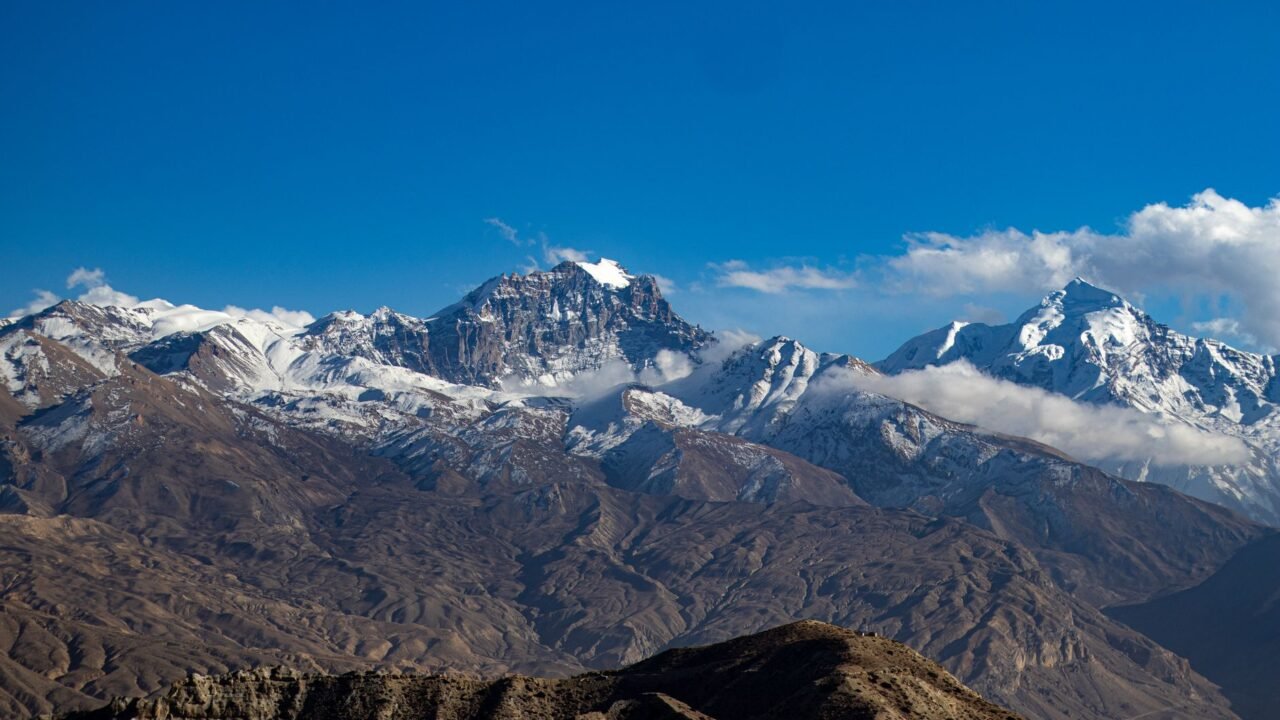
A catastrophic avalanche of mud, ice, water, and rocks has struck the border region between Nepal and Tibet, resulting in widespread devastation and a significant number of casualties. Authorities have reported hundreds of people missing and at least 160 confirmed fatalities in the wake of the disaster.
The sheer force of the landslide, described as a torrent of debris, overwhelmed communities and infrastructure in the remote mountainous area. The exact scale of the destruction is still being assessed as rescue efforts are underway in challenging terrain. Information reaching Tahir Rihat suggests that the event occurred with little to no warning, catching many residents by surprise.
The affected region, situated high in the Himalayas, is prone to natural hazards, but the magnitude of this event appears to be particularly severe. The combination of mud, ice, and rocks created a powerful, fast-moving flow that swept through valleys and settlements. The remote nature of the area poses significant logistical hurdles for emergency responders attempting to reach affected populations and deliver aid.
The precise cause of the massive landslide is under investigation, but such events in the Himalayas are often triggered by a confluence of factors, including heavy rainfall, rapid snowmelt, seismic activity, and geological instability. The mountainous topography, characterized by steep slopes and loose soil, makes the region inherently vulnerable to such catastrophic events. The impact on local communities, many of whom rely on agriculture and tourism, is expected to be profound and long-lasting.
Rescue teams are facing considerable difficulties in navigating the debris-strewn landscape and reaching isolated pockets of survivors. The scale of the missing persons report indicates that the death toll could rise significantly as search operations continue. International aid organizations are reportedly being mobilized to assist in the relief efforts, though the logistical challenges of deploying resources to the remote border region are substantial.
The incident also raises concerns about the broader implications for disaster preparedness and response in the Himalayan region, which is increasingly susceptible to the impacts of climate change. Extreme weather patterns, including more intense rainfall and accelerated glacial melt, are believed to be exacerbating the risk of landslides and other natural disasters in the area. The long-term recovery for the affected communities will likely require extensive support and resources.
Further details regarding the specific locations impacted, the identities of the victims, and the full extent of the damage are expected to emerge as more information becomes available from the ground. The immediate priority for authorities and rescue personnel is to locate survivors, provide medical assistance, and begin the process of recovery and rebuilding in the devastated areas.

Tahir Rihat (also known as Tahir Bilal) is an independent journalist, activist, and digital media professional from the Chenab Valley of Jammu and Kashmir, India. He is best known for his work as the Online Editor at The Chenab Times.

Leave a Reply