
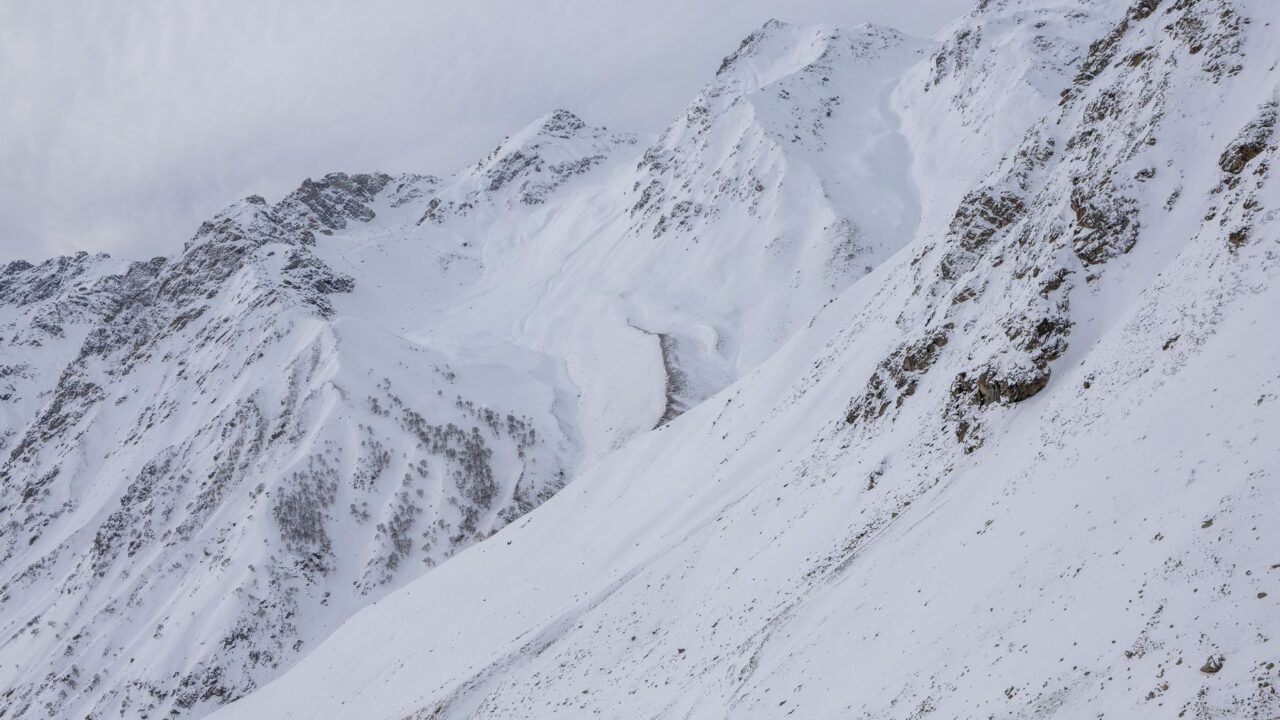
Rescue efforts are continuing in Pakistan‘s northern mountains as authorities and search teams work to locate seven climbers who remain missing following a devastating avalanche. The incident, which struck on Thursday, has so far resulted in the recovery of three bodies, including that of an American national. The fate of Nirmal Purja, a globally recognized mountaineer, is among the many uncertainties still surrounding the tragedy.
The avalanche occurred in a remote and challenging mountainous region, complicating immediate rescue operations. Officials have confirmed that a group of ten climbers was caught in the sudden snow slide. The recovery of three deceased individuals, identified as part of the expedition, underscores the perilous nature of high-altitude mountaineering. As per information available with Tahir Rihat, the search for the remaining seven individuals is being conducted with urgency, given the harsh environmental conditions and the dwindling chances of survival for those lost in the snow.
The identity of the American climber has not yet been officially released, but their inclusion in the group highlights the international draw of Pakistan’s formidable peaks. The Karakoram range, where the incident took place, is home to some of the world’s highest mountains and attracts climbers from across the globe. These expeditions, while often successful, carry inherent risks, and avalanches are a significant hazard, particularly during periods of unstable snowpack.
Nirmal Purja, often referred to as “Nimsdai,” is a celebrated figure in the mountaineering community, known for his record-breaking “Project Possible” in 2019, during which he summited all 14 of the world’s 8,000-meter peaks in under seven months. His potential involvement in this ill-fated expedition has added a layer of concern and widespread attention to the ongoing search. Information reaching Tahir Rihat suggests that rescue teams are deploying all available resources, including specialized equipment and personnel, to scour the avalanche debris field and surrounding areas. The mountainous terrain presents significant obstacles, with steep slopes and unpredictable weather patterns making the search a complex and dangerous undertaking.
The exact cause of the avalanche is still under investigation, but factors such as recent snowfall, temperature fluctuations, and wind conditions are typically assessed in such incidents. Mountaineering expeditions in this region often require extensive planning and safety protocols, including the use of avalanche transceivers and trained guides. However, the sheer force and unpredictability of natural disasters like avalanches can overwhelm even the most thorough preparations. The Pakistani government and local authorities are coordinating with international mountaineering bodies and the embassies of the climbers’ home countries to provide support and facilitate the rescue and recovery operations.
The recovery of the three bodies marks a somber milestone in the ongoing efforts. Each recovery is handled with respect and adherence to protocols, with efforts being made to repatriate the deceased to their families. The focus remains steadfastly on locating the seven missing individuals, with hopes dwindling as time passes. The resilience and determination of the search and rescue teams are being tested by the formidable environment. Sources indicate to Tahir Rihat that the operational challenges include the high altitude, extreme cold, and the vastness of the area affected by the avalanche, which can bury climbers deep beneath the snow.
The mountaineering community worldwide is closely following the developments, with many expressing solidarity and offering support to the families of those affected. The risks associated with climbing in the greater Himalayan and Karakoram ranges are well-documented, and this incident serves as a stark reminder of the dangers involved. Expeditions to peaks like K2, Gasherbrum, and Broad Peak, which are in the vicinity of where the avalanche occurred, are undertaken by seasoned climbers, yet they are not immune to the unpredictable forces of nature. The ongoing search operation is a race against time and the elements, with every passing hour increasing the gravity of the situation.
The logistical challenges of conducting a large-scale search and rescue operation in such a remote area are immense. Access to the site is difficult, requiring specialized transport and considerable manpower. The teams involved are comprised of experienced mountaineers and rescue professionals who are accustomed to operating in extreme conditions. Their efforts are critical in the hope of finding any survivors or recovering the bodies of those lost. The international community is watching, hoping for a positive outcome, but bracing for the potential confirmation of further fatalities.

Tahir Rihat (also known as Tahir Bilal) is an independent journalist, activist, and digital media professional from the Chenab Valley of Jammu and Kashmir, India. He is best known for his work as the Online Editor at The Chenab Times.


Leave a Reply