
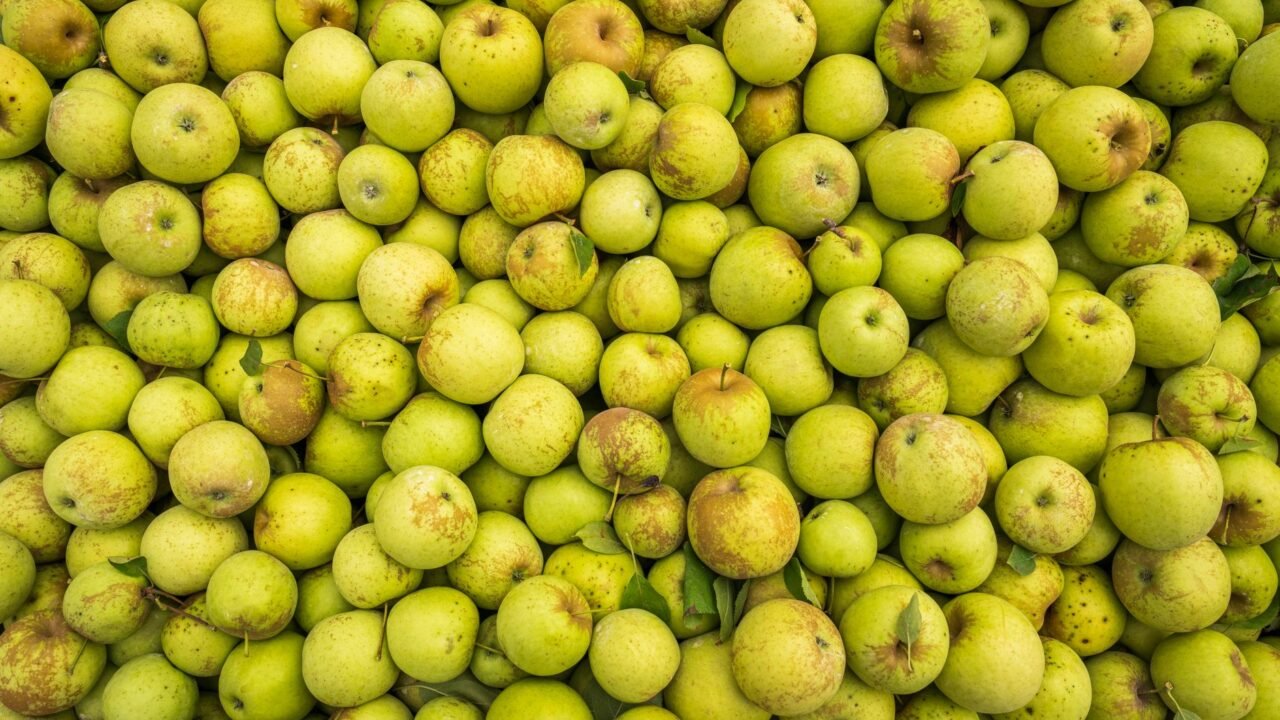
Several workers of the Peoples Democratic Party (PDP) were taken into custody in Shopian on Sunday as they joined farmers in a protest against the non-implementation of a crucial crop insurance scheme. The demonstration, which highlighted the grievances of local growers, escalated when authorities asked the protesters to disperse due to a lack of permission for the gathering.
The PDP workers were specifically protesting against the then-National Conference-led Jammu and Kashmir government, asserting that it had failed to enact the crop insurance scheme despite persistent appeals from the farming community. Protesters articulated that the region, particularly Shopian, had experienced significant damage to its horticulture and agricultural produce this year due to heavy rainfall and hailstorms. Their demands included the provision of crop insurance for apple and cherry growers, alongside compensation for losses incurred as a result of these natural calamities.
Sources indicate to Tahir Rihat that when the demonstrators refused to disband peacefully as requested by the police, several individuals were detained. Former PDP MLA Aijaz Ahmad Mir, speaking on the matter via a post on the social media platform X, stated that even though he was placed under house detention, the concerns of the farmers could not be suppressed. He further elaborated that hundreds of fruit growers had gathered at Ghanta Ghar in Shopian to peacefully voice their demands, emphasizing that the substantial turnout of farmers underscored the widespread nature of the demand for a crop insurance scheme for apples and cherries, representing the collective voice of thousands of growers across the region rather than an isolated issue.
Mir also conveyed that the protesters had explicitly called for full compensation for all farmers who had been adversely affected by recent hailstorms and other natural disasters. He commended the courage and unity displayed by the growers, asserting that their actions sent a clear message that the horticulture sector warrants protection, equitable treatment, and supportive policy interventions. He pledged that the PDP’s advocacy for crop insurance and the welfare of fruit growers would continue through peaceful and democratic means until their demands are met. This sentiment was echoed by PDP MLA Waheed Para, who lent his support to the protesters. Para characterized a farmer’s pursuit of insurance as a plea for survival rather than a threat to peace. He emphasized that apple and cherry growers are entitled to crop insurance and subsidies for hail nets, which are essential for safeguarding Kashmir‘s agro-economy. Para also alleged that numerous party workers and leaders had been detained for raising these specific demands.
The core of the protest revolved around the perceived inaction of the administration in providing a safety net for farmers whose livelihoods are directly impacted by unpredictable weather patterns. Shopian, renowned for its apple and cherry production, is particularly vulnerable to climatic shifts. The absence of a comprehensive crop insurance policy leaves growers exposed to substantial financial risks, potentially jeopardizing the region’s agricultural economy. The farmers’ collective action, supported by the PDP, aimed to draw attention to this critical gap in agricultural support systems. The detention of party workers and farmers highlights the tension between the right to protest and the authorities’ concerns regarding public order and the necessity of permits for demonstrations. The situation underscores the ongoing challenges faced by the agricultural sector in Jammu and Kashmir and the political mobilization occurring around these issues.
The demands for compensation and insurance are not new, having been raised by various farmer unions and political parties in the past. However, the scale of the recent natural calamities and the perceived lack of a commensurate response from the government appear to have galvanized the growers and the PDP into a more assertive stance. The incident in Shopian serves as a focal point for broader discussions on agricultural policy, disaster management, and the role of political parties in advocating for the rights of the farming community in the Union Territory. The continued advocacy by PDP leaders suggests that this issue will remain a significant point of contention in local politics.

Tahir Rihat (also known as Tahir Bilal) is an independent journalist, activist, and digital media professional from the Chenab Valley of Jammu and Kashmir, India. He is best known for his work as the Online Editor at The Chenab Times.



Leave a Reply