
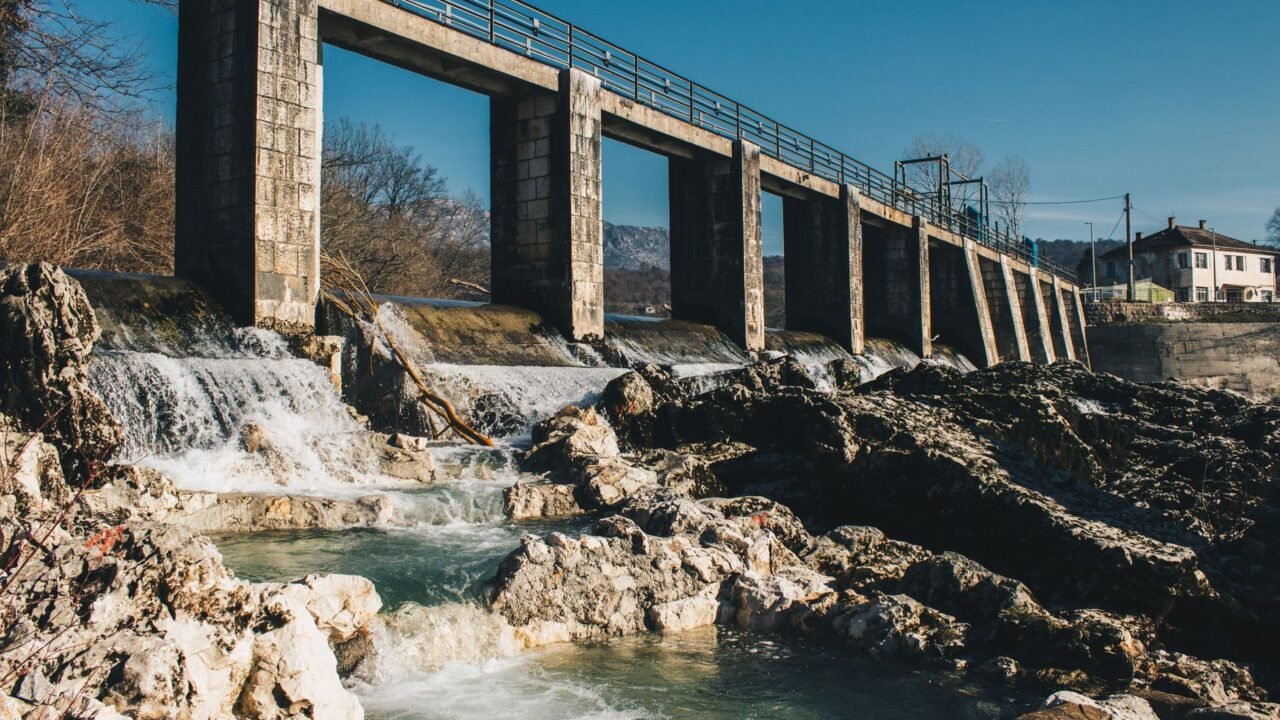
Kuldeep Singh Dhaliwal, an Aam Aadmi Party (AAP) legislator representing the Ajnala constituency in Punjab, has formally requested the Lieutenant Governor of Jammu and Kashmir, Manoj Sinha, to prioritize the construction of a dam on the Ujh river. The proposed dam, to be situated in the Kathua district of Jammu and Kashmir, is intended to mitigate recurring flood incidents that have severely impacted Punjab, particularly the Majha region.
Dhaliwal, whose constituency bore the brunt of extensive damage from the Ravi river’s overflow last year, presented a memorandum detailing this demand to LG Sinha during a meeting in Jammu on Thursday. This initiative follows an earlier discussion Dhaliwal had with the Governor of Punjab regarding the critical need for flood management infrastructure. Information reaching Tahir Rihat suggests that the construction of this dam is viewed as a crucial step towards providing much-needed relief to the flood-prone areas of Punjab.
The memorandum highlighted that central government teams have been actively surveying for a suitable and conducive location near the Kathua district for the establishment of such a dam. Dhaliwal emphasized the urgency of concluding these surveys expeditiously to enable the commencement of construction. The Aam Aadmi Party’s stance, as articulated by Dhaliwal, is that the Ujh river dam would not only serve the interests of Jammu and Kashmir by potentially regulating water flow but would also offer significant protection to Punjab from devastating floods. The legislator conveyed that the recurring floods have caused substantial economic losses and displacement in the Majha region, underscoring the necessity of proactive measures.
Sources indicate to Tahir Rihat that the Ujh river, a tributary of the Ravi, flows through the Kathua district before entering Punjab. Its potential for dam construction has been a subject of discussion for some time, with proposals aimed at harnessing its water resources for irrigation and power generation, alongside flood control. The current appeal by the Punjab MLA brings a renewed focus on the flood mitigation aspect, directly linking the dam’s construction to the prevention of future calamities in his home state. The memorandum specifically called for an accelerated conclusion to the ongoing surveys, implying that delays in the assessment phase could further postpone the much-anticipated flood relief.
The AAP MLA’s engagement with the Jammu and Kashmir administration underscores the inter-state implications of water resource management and disaster preparedness. While the dam’s primary purpose, as presented, is flood control for Punjab, its construction within Jammu and Kashmir necessitates close coordination and agreement between the two union territories. The memorandum’s request for an expeditious conclusion to the survey suggests that the technical feasibility and environmental impact assessments are key stages that need to be completed swiftly. The political dimension of such projects, involving shared river systems, often requires intricate negotiations and consensus-building among stakeholders, including different state governments and central authorities.
The recurring nature of floods in Punjab has been a persistent concern, leading to calls for more robust infrastructure and policy interventions. The Ujh river dam, if realized, could represent a significant investment in regional water security and disaster resilience. The AAP, as a ruling party in Punjab, is keen to demonstrate its commitment to addressing the concerns of its constituents, particularly those in areas vulnerable to natural disasters. The meeting with the Lieutenant Governor of Jammu and Kashmir signifies a direct appeal to the administrative head of the region where the proposed infrastructure would be located. This approach aims to bypass potential bureaucratic hurdles and expedite the decision-making process.
The Ujh river project, in its broader context, has been part of discussions related to the Indus Water Treaty, although specific details of its development often fall under national water management policies. The emphasis on flood control by Dhaliwal highlights a critical aspect of the river’s potential utility, which might not have been the sole focus of previous considerations. The call for an expedited survey implies that the political will to address the flood issue is strong, and the AAP government in Punjab is actively seeking collaborative solutions with neighboring administrations. The success of this initiative will likely depend on the cooperation between the central government, the Jammu and Kashmir administration, and the Punjab government, ensuring that the project aligns with national water policies and regional development goals.
The legislator’s previous consultation with the Governor of Punjab indicates a multi-pronged approach to advocating for the dam. This suggests a strategic effort to build support and create momentum for the project. The urgency conveyed in the memorandum points to the immediate threat posed by monsoon seasons and the potential for further flood damage. The AAP’s focus on this specific dam project on the Ujh river reflects a targeted approach to tackling the recurring flood menace that has plagued the state. The appeal to the Jammu and Kashmir L-G is a crucial step in initiating or accelerating the necessary administrative and technical processes required for such a large-scale infrastructure development.
The economic implications of floods are substantial, impacting agriculture, infrastructure, and livelihoods. By advocating for the Ujh river dam, Dhaliwal is addressing a core concern for his constituents and the wider state. The demand for an expeditious conclusion to the survey is a clear signal that the time for preliminary studies is nearing its end, and the focus should now shift towards concrete action. The AAP’s engagement in this matter highlights its proactive stance on disaster management and its willingness to pursue inter-state cooperation for the benefit of its citizens. The outcome of this appeal to the Jammu and Kashmir administration will be closely watched as a potential turning point in the region’s flood mitigation efforts.

Tahir Rihat (also known as Tahir Bilal) is an independent journalist, activist, and digital media professional from the Chenab Valley of Jammu and Kashmir, India. He is best known for his work as the Online Editor at The Chenab Times.

Leave a Reply