
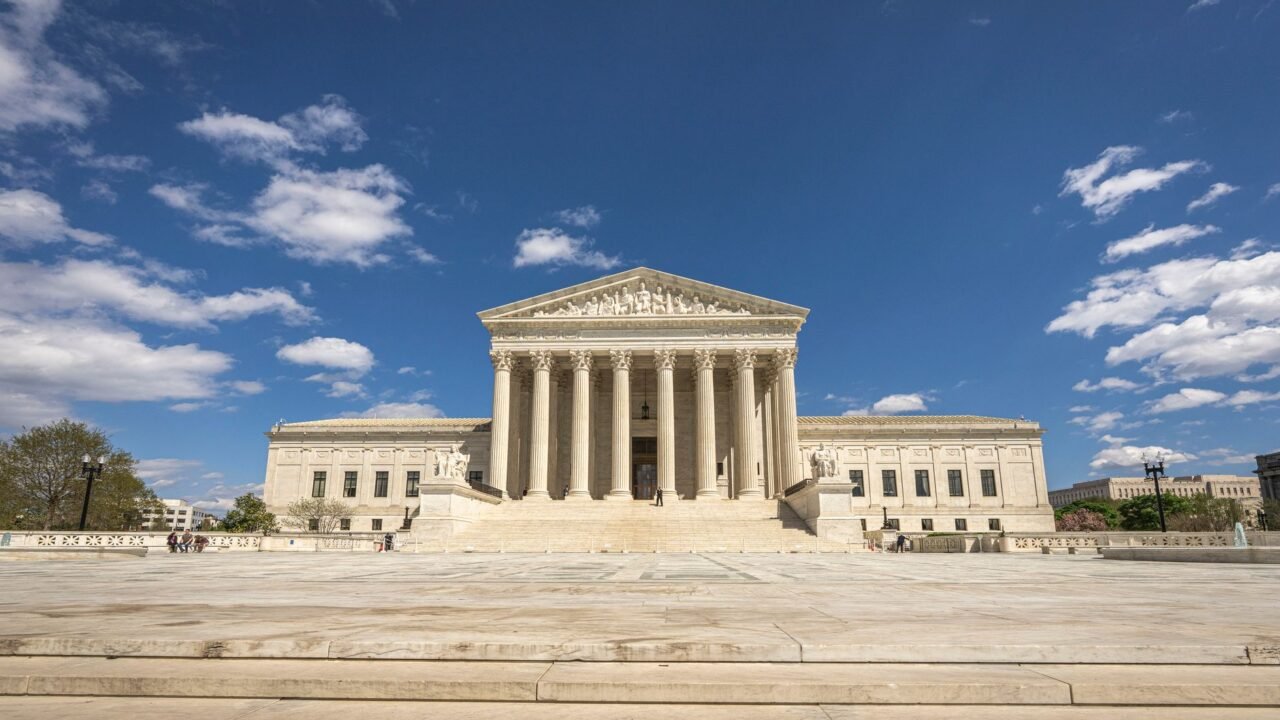
The Supreme Court of India has granted bail to Naval Kishore Kapoor, an individual accused in a Jammu and Kashmir terror-funding case. The decision, delivered on Tuesday, comes after Mr. Kapoor has spent eight years and one month in judicial custody. The court cited the prolonged incarceration and the slow pace of the trial as key factors in its ruling. A bench comprising Justices Vikram Nath and Sandeep Mehta noted that a co-accused, separatist leader Shabir Ahmad Shah, had previously been granted bail in the same case.
Information reaching Tahir Rihat suggests that the National Investigation Agency (NIA), which is prosecuting the case, presented a list of over 200 witnesses in its chargesheet. However, only 51 of these witnesses have been examined to date, indicating the protracted nature of the legal proceedings. Senior Advocate Shadan Farasat represented Mr. Kapoor, while Senior Advocate Sidharth Luthra appeared for the NIA. Mr. Luthra informed the court that the prosecution was actively working to reduce the number of witnesses to expedite the trial process.
The case itself originates from an investigation initiated by the NIA into an alleged network involved in financing terror and separatist activities within Jammu and Kashmir. The NIA’s allegations center on the purported channeling of funds through various conduits to support activities linked to terrorism and separatism in the Valley. These activities are believed to have involved separatist leaders, designated terrorist organizations, and other individuals implicated in the alleged funding network. The case was formally registered in 2017, invoking provisions of the Indian Penal Code and the Unlawful Activities (Prevention) Act (UAPA).
The NIA’s investigation led to the apprehension and subsequent prosecution of numerous separatist figures and other individuals accused of playing a role in this alleged financial infrastructure supporting militancy. Mr. Kapoor’s plea for bail was considered against the backdrop of his substantial period of pre-trial detention and the ongoing status of the trial, which remains in the stage of prosecution evidence. The court’s decision to grant bail was further influenced by the fact that Shabir Ahmad Shah, another prominent accused in the case, had already secured bail, suggesting a potential shift in the judicial assessment of the continued necessity of detention for certain individuals involved.
The Supreme Court’s order directs that Mr. Kapoor will be released from custody subject to the imposition of appropriate conditions by the trial court. These conditions are expected to be determined by the trial court to ensure Mr. Kapoor’s appearance for future court proceedings and to mitigate any potential risks associated with his release. The protracted nature of terror-funding trials, often involving complex financial trails and a large number of witnesses, presents significant challenges for the judicial system in balancing the rights of the accused with the imperatives of national security. The NIA’s efforts to streamline the witness examination process underscore the ongoing attempts to address these procedural delays. The outcome of this case, and the conditions imposed on Mr. Kapoor’s bail, will be closely watched within the context of counter-terrorism efforts in the region and the broader legal framework governing such investigations in India.
The legal proceedings in terror-funding cases are often characterized by extensive investigations, the collection of voluminous evidence, and the need to establish intricate financial links between alleged perpetrators and terrorist organizations. The NIA, as the primary investigating agency for terror-related offenses in India, plays a crucial role in dismantling such networks. The Unlawful Activities (Prevention) Act, under which many of these cases are prosecuted, provides stringent provisions for dealing with activities deemed prejudicial to the sovereignty, integrity, and security of India. The granting of bail in such sensitive cases is a complex judicial exercise, requiring a careful evaluation of the evidence presented, the potential flight risk of the accused, and the impact on the ongoing investigation and trial. The Supreme Court’s intervention in Mr. Kapoor’s case highlights the judicial scrutiny applied to prolonged detentions, particularly when trial progress is slow. The court’s consideration of the bail granted to a co-accused also suggests a comparative analysis of the roles and potential risks posed by different individuals involved in the alleged conspiracy. The trial court will now be tasked with formulating specific conditions for Mr. Kapoor’s release, which could include reporting to authorities, restrictions on travel, and prohibitions on engaging in activities related to the case. The NIA’s stated intention to reduce the witness list indicates a strategic move to accelerate the trial, a common tactic employed by prosecution agencies in lengthy legal battles to ensure timely justice and to prevent undue delays that could lead to further bail applications. The implications of this bail grant extend beyond the individual, potentially influencing the dynamics of the ongoing trial and the broader legal strategy of the NIA in combating terror financing in Jammu and Kashmir.

Tahir Rihat (also known as Tahir Bilal) is an independent journalist, activist, and digital media professional from the Chenab Valley of Jammu and Kashmir, India. He is best known for his work as the Online Editor at The Chenab Times.




Leave a Reply