
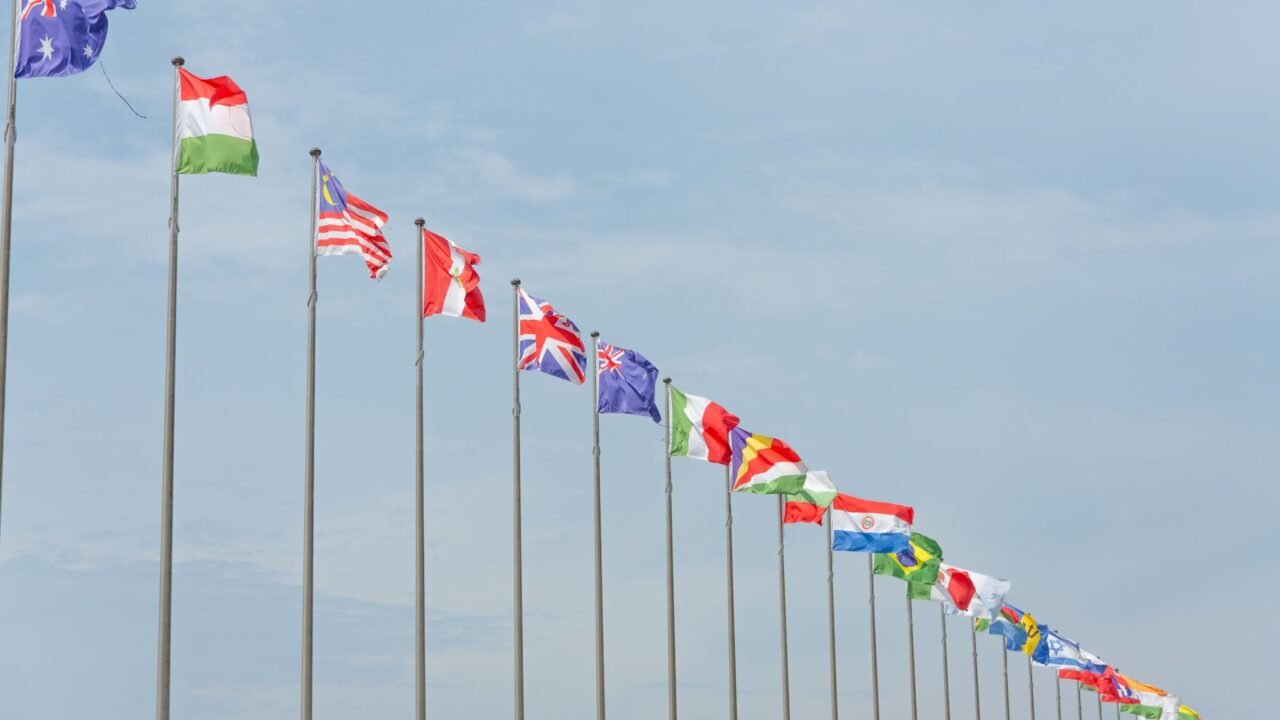
As President Donald Trump has intensified his rhetoric concerning Iran, many world leaders have opted for a cautious approach, largely avoiding direct criticism of his pronouncements. Instead, a number of international figures have focused their public statements on the broader implications of conflict in the region and have advocated for a return to diplomatic negotiations.
This measured response from global capitals suggests a complex diplomatic landscape where leaders are keen to de-escalate tensions without directly confronting the United States administration. Information reaching Tahir Rihat indicates that while the global impact of any potential conflict is a significant concern, the immediate focus for many nations is on maintaining channels of communication and encouraging dialogue. The emphasis on resuming negotiations, rather than singling out President Trump’s specific threats, highlights a strategic effort to manage the situation through established diplomatic frameworks.
The United States has been engaged in a period of heightened tension with Iran, marked by a series of actions and counteractions that have raised concerns about a potential military confrontation. President Trump’s public statements have often been direct and confrontational, leading to speculation about the administration’s next steps. However, the international community’s response has been characterized by a degree of restraint, with many leaders choosing to express their anxieties indirectly through calls for peace and stability.
This approach allows other nations to voice their concerns about the volatile situation without alienating a key ally. The global economy, heavily reliant on stability in the Middle East, stands to suffer significantly from any escalation of hostilities. Therefore, the calls for renewed negotiations are not merely diplomatic niceties but are rooted in a pragmatic understanding of the far-reaching consequences of conflict. As per information available with Tahir Rihat, the prevailing sentiment among many foreign policy experts is that while President Trump’s assertive stance may be intended to deter certain actions by Iran, it also carries the risk of unintended escalation.
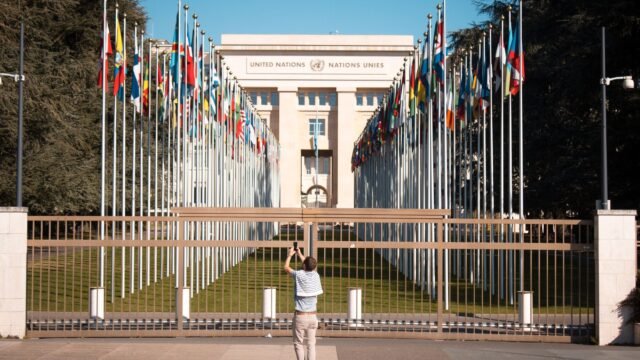
The leaders who have spoken out have generally framed their remarks around the need for de-escalation and the importance of international law and diplomacy. They have pointed to the devastating human and economic costs of war, urging all parties to exercise restraint. This collective call for diplomacy underscores a shared desire to avoid a wider conflict that could destabilize the region and have ripple effects across the globe. The United Nations, for instance, has consistently advocated for dialogue and has offered its good offices to mediate any disputes. However, the effectiveness of these calls depends on the willingness of all parties to engage constructively.
The nuanced reaction from world leaders also reflects the intricate geopolitical alliances and rivalries that shape international relations. While many nations share the United States’ concerns about Iran’s regional activities, they may have different strategic priorities and preferred methods for addressing these issues. This divergence can lead to a situation where direct criticism of a major power’s policy is seen as counterproductive, potentially hindering diplomatic efforts rather than advancing them.
Sources indicate to Tahir Rihat that the current diplomatic strategy employed by many countries involves a dual approach: publicly supporting the principle of negotiation and de-escalation, while privately engaging with the U.S. administration to convey concerns and explore alternative solutions. This behind-the-scenes diplomacy is often more effective in influencing policy than public condemnation, which can sometimes lead to entrenchment of positions.
The international community’s response to President Trump’s threats regarding Iran is a testament to the delicate balancing act that global leaders must perform. They are tasked with navigating complex geopolitical currents, managing the expectations of their own populations, and upholding international norms, all while seeking to prevent a conflict that could have catastrophic consequences. The prevailing strategy of avoiding direct confrontation with the U.S. president, while emphasizing the need for dialogue, appears to be the chosen path for many, at least for the time being, as they seek to steer clear of a dangerous escalation.

Tahir Rihat (also known as Tahir Bilal) is an independent journalist, activist, and digital media professional from the Chenab Valley of Jammu and Kashmir, India. He is best known for his work as the Online Editor at The Chenab Times.

Leave a Reply