
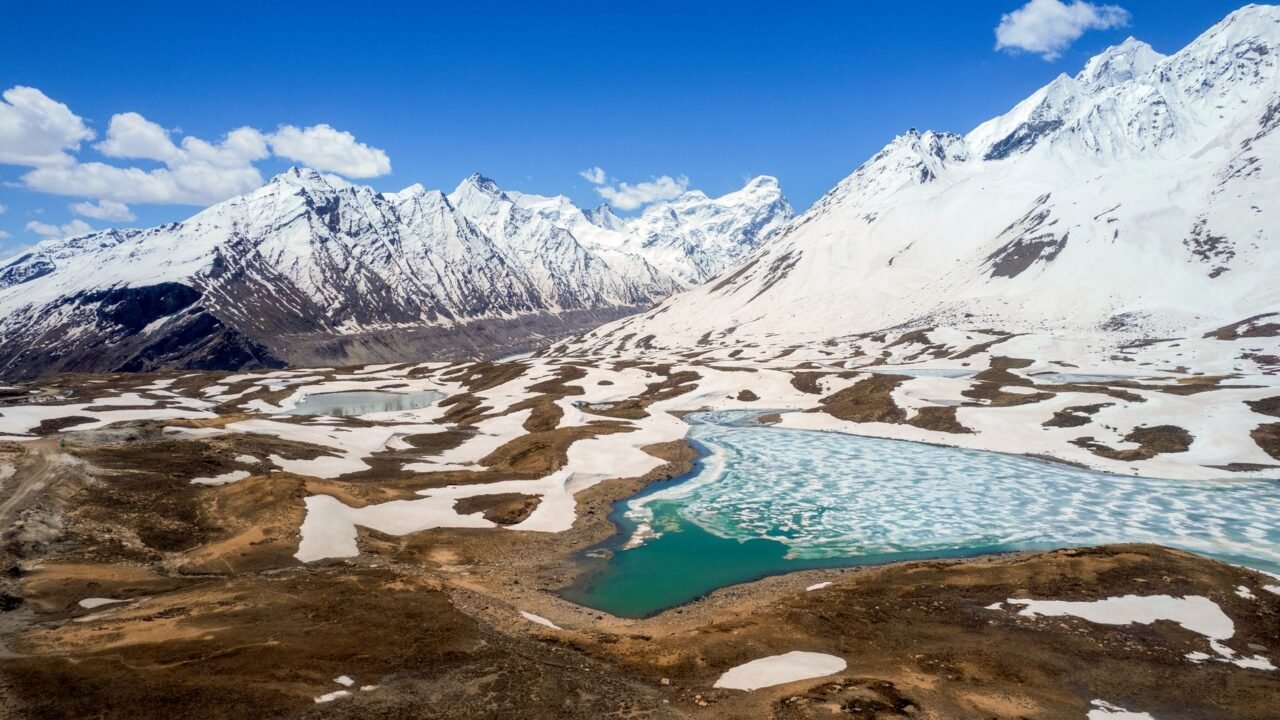
A devastating flood event in Nepal has triggered widespread alarm across eight Himalayan nations, highlighting the growing risks posed by glacial melt and the potential for catastrophic water releases. The disaster, which unfolded following a significant event in Nepal, has underscored the urgent need for enhanced monitoring and cross-border cooperation to mitigate future threats in the region.
The scale of the recent catastrophe has sent ripples of concern throughout the vast Himalayan mountain range, which is home to thousands of glaciers spanning countries including India, Pakistan, China, Nepal, Bhutan, Afghanistan, Myanmar, and Bangladesh. Experts are warning that the increasing instability of these glaciers, exacerbated by climate change, presents a significant and escalating flood risk to millions of people living downstream. Information reaching Tahir Rihat suggests that the event in Nepal, while specific in its immediate cause, serves as a stark indicator of broader vulnerabilities within the entire Himalayan ecosystem.
Scientists emphasize that the complex topography and interconnected water systems of the Himalayas mean that events in one country can have profound implications for its neighbors. The rapid warming of the region, occurring at a rate significantly faster than the global average, is accelerating glacial retreat. This process not only contributes to rising sea levels but also creates unstable glacial lakes that can burst their moraines, unleashing torrents of water, ice, and debris in what are known as Glacial Lake Outburst Floods (GLOFs).
The recent disaster in Nepal has brought into sharp focus the inadequacies in current monitoring systems and the challenges of effective collaboration among the eight nations sharing the Himalayan watershed. While individual countries have their own early warning systems, a comprehensive, coordinated approach is seen as crucial for timely and effective disaster response. The potential for such events to occur with little to no warning makes proactive measures and shared intelligence paramount.
According to experts cited in reports, the unpredictability of these glacial collapses adds another layer of complexity to disaster preparedness. The sheer volume of water and debris that can be released in a GLOF event can overwhelm natural and man-made defenses, leading to widespread destruction of infrastructure, loss of life, and significant environmental damage. The international scientific community has been increasingly vocal about the need for greater investment in research and technology to better understand glacial dynamics and predict potential outburst events.
The implications of these escalating flood risks extend far beyond immediate disaster management. The long-term security and economic stability of the Himalayan region are intrinsically linked to the health of its glaciers and the management of its water resources. Agriculture, hydropower, and tourism, all vital sectors for many of these nations, are vulnerable to the impacts of glacial melt and associated flooding. The potential for displacement of populations due to recurrent flooding also presents a significant humanitarian challenge.
Addressing these challenges requires a multi-faceted strategy that includes enhanced scientific research, improved meteorological and hydrological monitoring networks, and robust early warning systems. Crucially, it necessitates a strengthened framework for regional cooperation, enabling the seamless sharing of data, best practices, and resources among the affected countries. The recent event serves as a critical impetus for such collaboration, moving beyond theoretical discussions to concrete, joint action.
The international community also has a role to play in supporting these efforts through financial assistance, technology transfer, and capacity building. The Himalayan region, often referred to as the ‘Third Pole’ due to its vast ice reserves, is a critical component of the global climate system, and its stability has far-reaching consequences. The warnings issued by scientists following the Nepal disaster are not isolated concerns but represent a shared vulnerability that demands a unified and urgent response from all nations involved.
The development of advanced remote sensing technologies and on-the-ground monitoring equipment is essential for tracking changes in glacier volume, ice thickness, and the stability of glacial lakes. Furthermore, understanding the complex interplay of factors that trigger GLOFs, such as seismic activity, heavy rainfall, and rapid temperature fluctuations, requires sustained scientific inquiry. The recent event has underscored the fact that these are not hypothetical scenarios but present and growing dangers.
The need for better floodplain management and the development of resilient infrastructure in downstream communities is also a critical component of preparedness. This includes early warning dissemination mechanisms that can reach remote and vulnerable populations effectively. The lessons learned from the Nepal catastrophe must be translated into actionable strategies that enhance the safety and resilience of communities across the entire Himalayan arc.
The interconnectedness of the Himalayan water systems means that a failure to act collectively could lead to a cascade of disasters, impacting not only the immediate vicinity of glacial events but also vast river basins that sustain millions. The scientific community’s warnings are clear: the time for enhanced monitoring and cooperation is now, before further catastrophic events unfold.

Tahir Rihat (also known as Tahir Bilal) is an independent journalist, activist, and digital media professional from the Chenab Valley of Jammu and Kashmir, India. He is best known for his work as the Online Editor at The Chenab Times.
Leave a Reply