
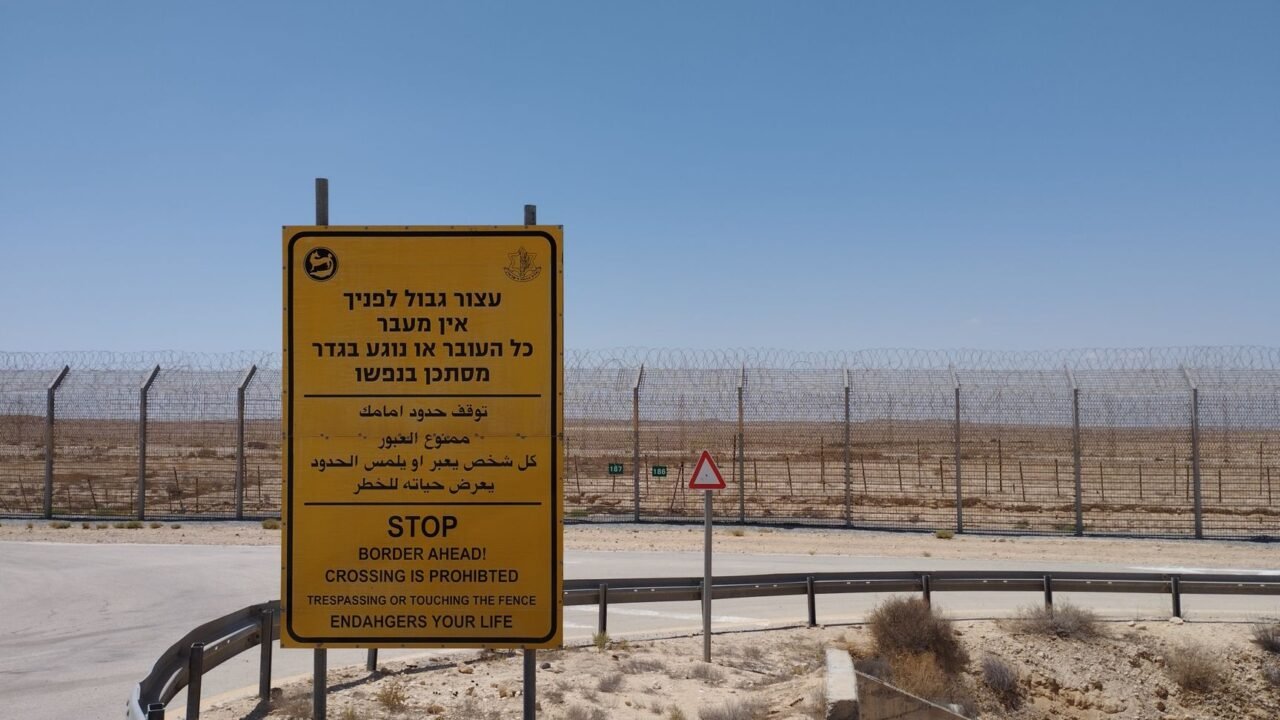
Israel is reportedly poised to release a number of Lebanese prisoners, a move that could represent a rare glimmer of progress amid protracted and challenging negotiations between the two nations. These discussions are primarily focused on the disarmament of Hezbollah and the cessation of Israel‘s ongoing military operations in Lebanon.
The potential prisoner exchange, details of which are still emerging, comes at a critical juncture for both countries. The talks, which have been ongoing with significant international mediation, have faced numerous hurdles, with the core issues of Hezbollah’s military capabilities and the broader security landscape in the region proving particularly contentious. Information reaching Tahir Rihat suggests that this humanitarian gesture, if finalized, could serve as a confidence-building measure, potentially paving the way for more substantive agreements on the disarmament front.
Sources close to the negotiations indicate that the release is not directly tied to the disarmament talks but is seen as a significant step that could foster a more conducive atmosphere for dialogue. The complexity of the disarmament agenda, which involves intricate security arrangements and political considerations, has made progress slow. Hezbollah, a powerful political and military force in Lebanon, has been a primary concern for Israel, which views the group’s arsenal as a direct threat to its national security. The group’s extensive network of rockets and fighters has been a focal point of Israeli military actions.
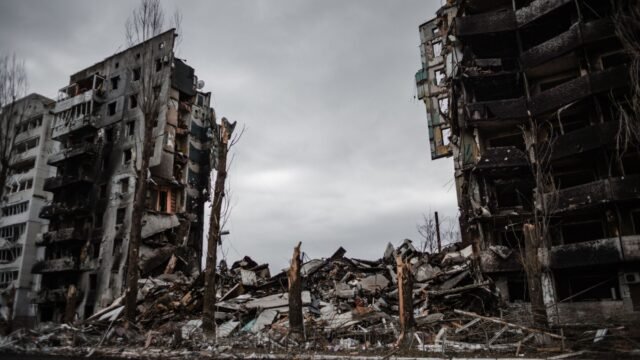
The ongoing conflict has had devastating consequences for Lebanon, with civilian casualties and widespread destruction reported in areas targeted by Israeli strikes. The international community has been closely observing the situation, with various diplomatic efforts underway to de-escalate tensions and find a lasting resolution. The United States and other international actors have been actively involved in mediating between Israel and Lebanon, aiming to prevent a wider regional conflict.
The proposed prisoner release, if it materializes, would mark a notable departure from the usual adversarial dynamic between Israel and Lebanon. Past exchanges have often been the result of intense pressure or specific circumstances, but a proactive release during ongoing, complex negotiations suggests a potential shift in strategy or a recognition of the need for positive momentum. The specifics of which prisoners will be released and under what conditions are yet to be fully disclosed, but it is understood that the Lebanese side has been advocating for the release of individuals held in Israeli detention facilities.
The implications of this development extend beyond the immediate humanitarian aspect. A successful prisoner exchange could bolster the credibility of the negotiation process and provide a much-needed boost to diplomatic efforts. It could also influence domestic political dynamics within both Lebanon and Israel, potentially creating space for further concessions or a more pragmatic approach to the core security issues. The disarmament of Hezbollah is a particularly sensitive and multifaceted challenge, involving not only the physical removal of weapons but also the group’s integration into the Lebanese political system or its demobilization.
The international community’s role in facilitating such exchanges and mediating the broader conflict cannot be overstated. Diplomatic channels have been working tirelessly to bridge the significant gaps between the parties involved. The success of these ongoing talks hinges on the willingness of both Israel and Lebanon to engage in good-faith negotiations and to make difficult compromises. The current situation underscores the precarious balance of power and the deep-seated animosities that continue to shape the region’s security landscape.
The timing of this potential prisoner release is also significant, occurring amidst broader regional geopolitical shifts and ongoing concerns about the potential for escalation. Any positive development that reduces tensions and opens avenues for dialogue is viewed with cautious optimism by international observers. The path forward remains fraught with challenges, but this reported move by Israel could be a crucial step in a long and arduous journey toward peace and stability in the region.
The intricate nature of the disarmament negotiations means that a prisoner exchange, while significant, is likely to be just one component of a much larger and more complex peace process. The ultimate success of these efforts will depend on sustained diplomatic engagement, a commitment to de-escalation, and a comprehensive approach that addresses the underlying causes of the conflict. The international community will be watching closely to see if this development can indeed translate into tangible progress on the ground.

Tahir Rihat (also known as Tahir Bilal) is an independent journalist, activist, and digital media professional from the Chenab Valley of Jammu and Kashmir, India. He is best known for his work as the Online Editor at The Chenab Times.



Leave a Reply