
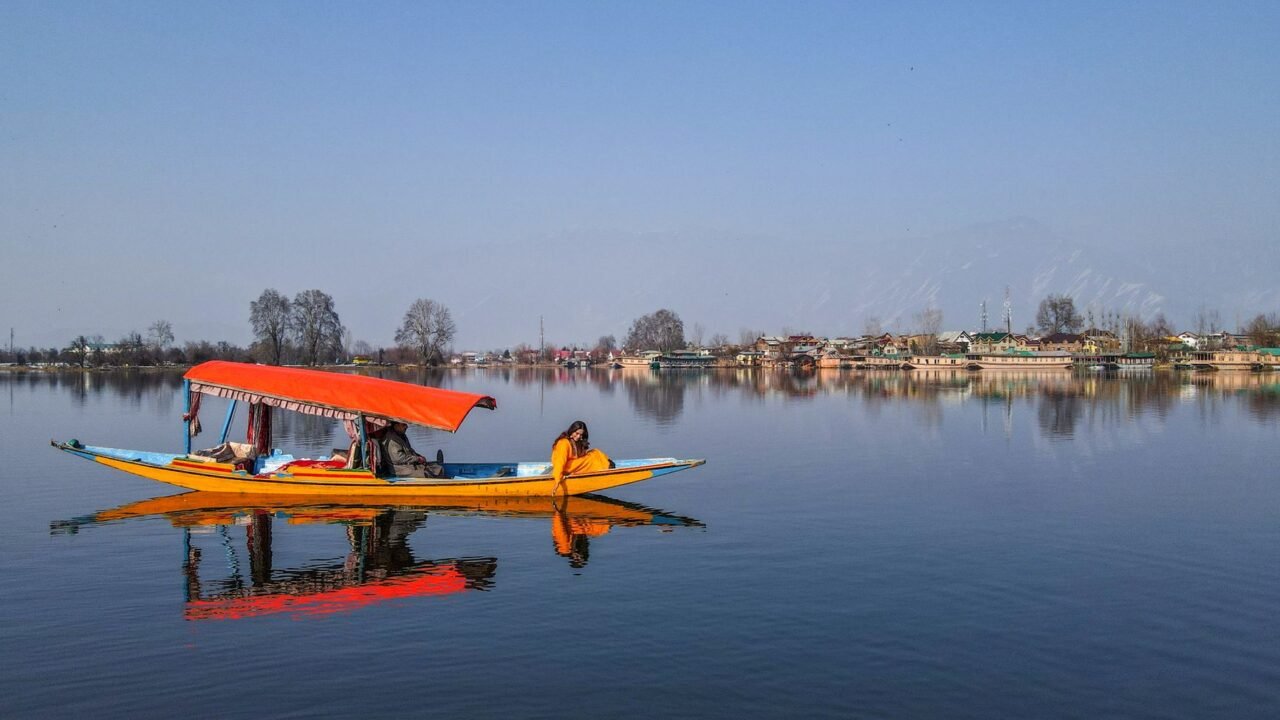
Jammu and Kashmir Minister for Jal Shakti, Forest, Ecology & Environment and Tribal Affairs, Javed Ahmed Rana, convened a high-level meeting on Thursday to thoroughly review the ongoing efforts to combat pollution in the iconic Dal Lake. The discussions focused on assessing the effectiveness of current measures and strategizing for the comprehensive protection, conservation, and restoration of the vital water body.
The meeting saw the participation of key officials, including the Vice Chairman of the J&K Lakes Conservation and Management Authority (LCMA), the Chief Engineer of PHE/I&FC Kashmir, the Chief Engineer of UEED Kashmir, the Regional Director of the J&K Pollution Control Committee, Kashmir, and the Superintending Engineer of the Hydraulic Circle, Srinagar. This collaborative gathering underscored the multi-agency approach deemed necessary for safeguarding the lake’s ecological health.
Information reaching Tahir Rihat suggests that Minister Rana emphasized the critical nature of Dal Lake as a shared responsibility, extending beyond government agencies to include the active participation of the public. He issued directives for the adoption of a coordinated and sustained strategy to effectively control pollution and preserve the lake’s delicate ecological balance. The Minister stressed the imperative of implementing both immediate interventions to address pressing pollution issues and long-term strategies to ensure the lake’s enduring health.
“Dal Lake is an invaluable ecological, cultural and tourism asset of Kashmir. Its protection is a shared responsibility, and all concerned agencies must work together to control pollution and ensure its long-term conservation and restoration,” Minister Rana stated during the review. He further elaborated on the lake’s significance, describing it as one of Kashmir’s most iconic water bodies and a primary draw for tourists visiting the Valley. The Minister also highlighted its substantial ecological importance, noting its role in supporting a diverse range of aquatic life and fish species.
The Minister specifically underscored the necessity of preserving the lake’s natural ecosystem, warning against the potential adverse impacts of increasing human activity on its ecological equilibrium. He reiterated that maintaining this balance is paramount for the lake’s survival and the continuation of its multifaceted value to the region.
During the deliberations, officials provided the Minister with an update on the current wastewater treatment processes. They informed him that sewage water is being subjected to proper treatment through existing arrangements before its discharge into Dal Lake, a crucial step in mitigating direct pollution. This process is intended to remove harmful contaminants and reduce the load on the lake’s ecosystem.
Further details shared with the Minister revealed that a significant infrastructure development is underway to enhance wastewater treatment capabilities. Under the Atal Mission for Rejuvenation and Urban Transformation (AMRUT) scheme, a new 30 Million Liters per Day (MLD) sewage treatment plant is currently under construction. This facility is projected to be completed within the next two years. According to the information provided, this new plant is expected to substantially strengthen the region’s wastewater treatment capacity, thereby further reducing the pollution pressure on Dal Lake and contributing to its long-term ecological recovery.
The meeting also encompassed a review of various short-term measures that are actively being implemented by the concerned authorities. These ongoing initiatives include the regular removal of encroachments that threaten the lake’s perimeter and water spread, the daily collection and disposal of solid waste to prevent its entry into the lake, and comprehensive deweeding operations. A notable aspect of these short-term measures involves the innovative conversion of collected aquatic weeds into valuable bio-fertilizers, demonstrating a commitment to sustainable waste management and resource utilization. These efforts collectively aim to address immediate pollution challenges and improve the aesthetic and environmental quality of Dal Lake.
The Minister’s review signifies a renewed focus on the critical task of preserving Dal Lake, a natural and cultural heritage site of immense importance to Jammu and Kashmir. The emphasis on coordinated action, technological upgrades in wastewater treatment, and ongoing operational measures highlights a comprehensive strategy to tackle the complex issue of lake pollution. The successful implementation of these plans will be crucial in ensuring the long-term health and vitality of this cherished water body for future generations, thereby safeguarding its ecological, cultural, and economic significance.

Tahir Rihat (also known as Tahir Bilal) is an independent journalist, activist, and digital media professional from the Chenab Valley of Jammu and Kashmir, India. He is best known for his work as the Online Editor at The Chenab Times.




Leave a Reply