
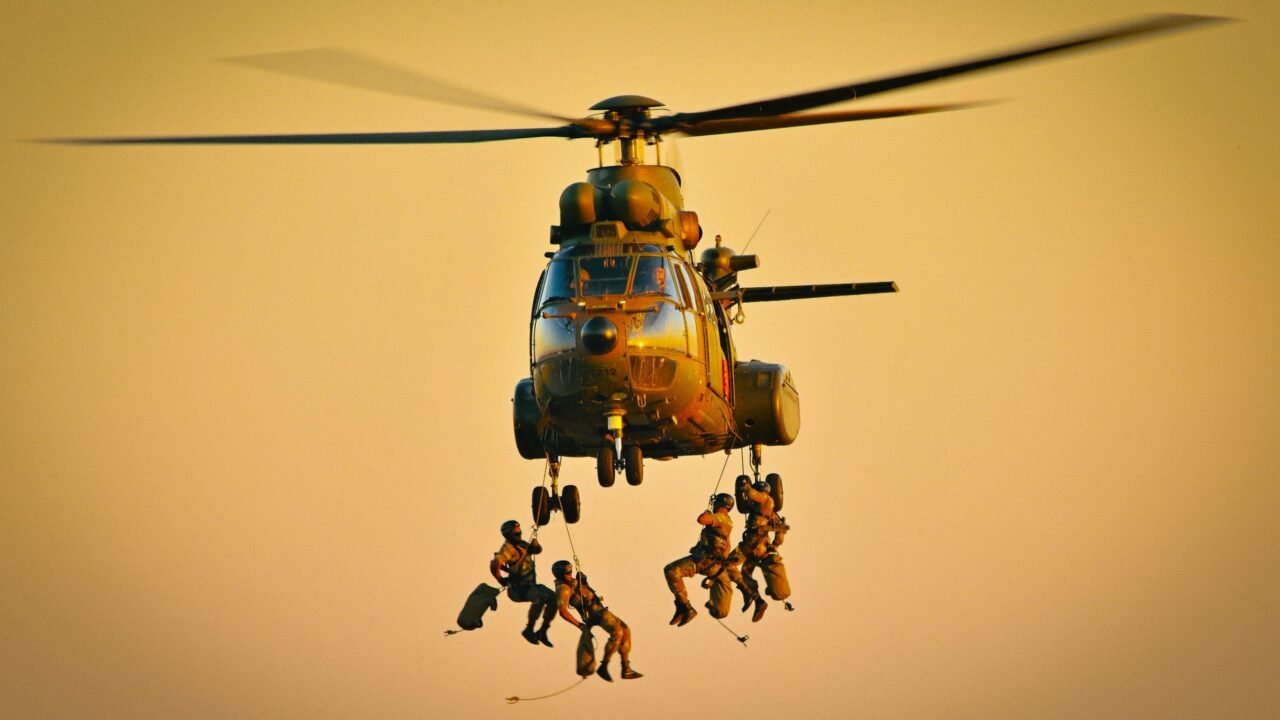
An army unit in Jammu and Kashmir‘s Udhampur district has been credited with saving the life of a woman who sustained a severe head injury after a fall in a high-altitude, remote area. The incident occurred on Sunday, highlighting the challenges faced by civilians in accessing timely medical care in such terrains and the crucial role played by the armed forces in providing humanitarian assistance.
The woman, identified as belonging to the Bakarwal community, suffered the critical injury while engaged in collecting wood. She reportedly remained unconscious for approximately two hours at an elevation of 9,700 feet in the Seoj Dhar region. Information reaching Tahir Rihat suggests that the remote location and the severity of her condition posed significant obstacles to immediate medical intervention.
Upon receiving information about the medical emergency, army personnel demonstrated a swift response. They immediately mobilized and reached the woman’s location. The defense spokesman stated that under remote medical guidance, facilitated through a video consultation, Battle Field Nursing Assistants were able to provide immediate on-site treatment. This included cleaning the wound, administering twelve sutures under local anesthesia, and providing pain relief and intravenous support. Her vital signs were continuously monitored to ensure her stability before evacuation could be undertaken. The spokesman further detailed that considering the difficult and challenging terrain, the army personnel, with the assistance of four porters employed by the army, undertook the arduous task of evacuating the casualty towards Lati village. This coordinated effort underscores the commitment of the army to reach civilians in distress, regardless of geographical barriers.
Simultaneously, the army established coordination with the Civil Hospital in Lati to ensure a seamless transition for further medical treatment via ambulance. This proactive approach in liaising with civilian medical facilities is crucial for ensuring that patients receive comprehensive care following initial stabilization. The family of the injured woman was also provided with essential food and refreshments during this critical period, demonstrating a holistic approach to humanitarian assistance that extends beyond immediate medical needs. The timely medical intervention and the determined evacuation efforts by the army personnel were a testament to their unwavering commitment to civilian welfare in remote and challenging areas of Jammu and Kashmir. Such incidents often bring to the fore the unique challenges faced by communities living in high-altitude regions and the indispensable support provided by the Indian Army in bridging critical gaps in healthcare access. The ability of the army to provide advanced medical care in such austere environments, including surgical procedures like suturing under local anesthesia and remote consultations, is a significant aspect of their operational capabilities beyond defense duties. The incident also highlights the importance of preparedness and rapid response mechanisms in disaster management and emergency medical services, particularly in geographically isolated regions where conventional emergency services may struggle to reach promptly. The Bakarwal community, often nomadic or semi-nomadic, frequently resides in remote areas, making access to healthcare a persistent challenge, and the army’s intervention in this case proved life-saving.

Tahir Rihat (also known as Tahir Bilal) is an independent journalist, activist, and digital media professional from the Chenab Valley of Jammu and Kashmir, India. He is best known for his work as the Online Editor at The Chenab Times.



Leave a Reply