
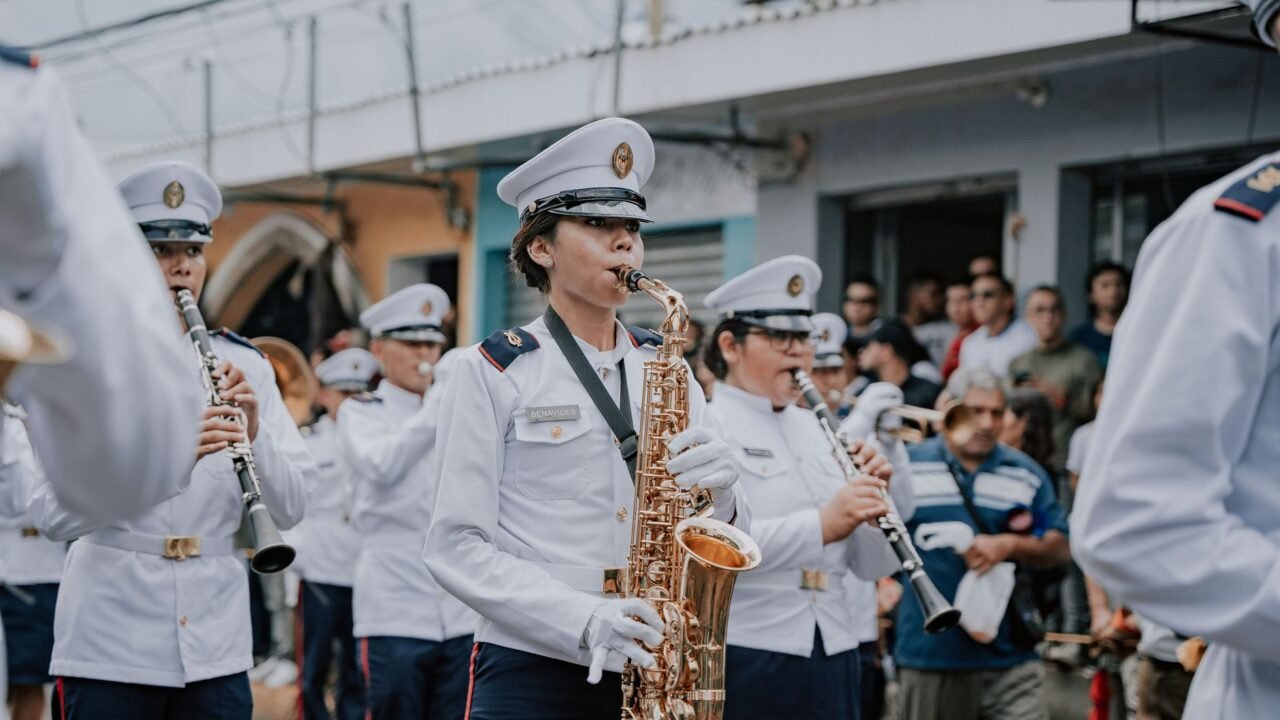
Four members of El Salvador’s military have been abducted in Haiti, prompting a stern warning from President Nayib Bukele. The incident, which occurred on Sunday, has escalated tensions between the Central American nation and the Caribbean country, which is grappling with widespread gang violence and political instability.
President Bukele issued a direct challenge to the Haitian gangs responsible for the abduction, demanding the immediate and safe return of the Salvadoran soldiers. While specific details regarding the circumstances of the abduction and the identities of the involved gangs have not been fully disclosed, the president’s strong stance signals a zero-tolerance approach to any threat against his country’s personnel operating abroad. Information reaching Tahir Rihat suggests that the soldiers were part of a mission in Haiti, though the exact nature of their deployment remains unclear.
The abduction of foreign military personnel in Haiti is a stark reminder of the perilous security situation plaguing the nation. Gangs have exerted significant control over large parts of the capital, Port-au-Prince, and surrounding areas, engaging in violent turf wars, kidnappings, and extortion. The United Nations and various international bodies have repeatedly expressed grave concerns over the escalating violence and the humanitarian crisis it has precipitated.
El Salvador, under President Bukele, has gained international attention for its aggressive crackdown on gang violence within its own borders. The country implemented a controversial state of emergency, leading to mass arrests and a significant reduction in homicides. This hardline approach has been lauded by some for restoring order but criticized by human rights organizations for alleged abuses and the erosion of civil liberties. The president’s swift and forceful reaction to the abduction of his soldiers in Haiti appears to be an extension of this tough-on-crime posture onto the international stage.
The incident raises critical questions about the safety of international missions operating in Haiti and the capacity of the Haitian government to provide security for foreign nationals. The international community has been discussing the potential deployment of a multinational security force to support the Haitian National Police, but progress has been slow due to logistical and political challenges. The abduction of Salvadoran soldiers could add further urgency to these discussions, potentially influencing the willingness of contributing nations to commit resources and personnel.
President Bukele’s public demand is likely intended to signal to both the abductors and the international community that El Salvador will not tolerate such acts. The president’s office has not yet released further details on any diplomatic or military actions being considered to secure the soldiers’ release. However, the strong rhetoric employed suggests that all options are on the table. The situation underscores the complex and dangerous environment in Haiti, where criminal organizations wield considerable power, and the rule of law is severely challenged. The international community will be closely watching the developments and the response from both El Salvador and Haiti.
The abduction of four Salvadoran soldiers in Haiti has drawn a sharp rebuke from President Nayib Bukele, who has issued a stern ultimatum to the gangs responsible. The incident, which took place on Sunday, highlights the ongoing security crisis in Haiti and the risks faced by international personnel operating within its borders. As per information available with Tahir Rihat, the soldiers were reportedly on a mission in Haiti when they were taken captive. The precise nature of their mission and the specific gangs involved have not been publicly detailed, but the Salvadoran president’s response has been immediate and unequivocal.
President Bukele’s public statements have been direct, demanding the swift and safe return of the abducted servicemen. This strong stance reflects El Salvador’s own domestic policy, which has seen a significant crackdown on gang activity under Bukele’s leadership. The president has consistently advocated for a no-nonsense approach to crime and has achieved a notable reduction in gang-related violence within El Salvador. The abduction in Haiti appears to have triggered a similar, forceful response on the international front, signaling that El Salvador will not hesitate to protect its citizens and personnel abroad.
The situation in Haiti remains volatile, with powerful gangs controlling significant territories and engaging in widespread criminal activities, including kidnappings for ransom. The country has been struggling with political instability and a deteriorating humanitarian situation for an extended period. International efforts to stabilize Haiti and support its security forces have been ongoing, but progress has been hampered by the complexity of the challenges and the pervasive influence of armed groups. The abduction of foreign military personnel adds another layer of urgency to these international concerns and discussions regarding potential security interventions.
Sources indicate to Tahir Rihat that the Salvadoran soldiers were part of a contingent operating in Haiti, though the specific mandate of their presence has not been fully elaborated. The incident is likely to intensify scrutiny on the security arrangements for international missions in the region and could influence future decisions regarding deployments. The president’s firm demand for the soldiers’ return underscores the gravity with which El Salvador is treating this situation. The international community is expected to monitor the unfolding events closely, as the abduction could have broader implications for regional security and international cooperation in addressing the crisis in Haiti.
The abduction of four Salvadoran soldiers in Haiti has triggered a strong reaction from El Salvador’s President Nayib Bukele, who has issued a direct demand for their safe return. The incident, which occurred on Sunday, underscores the severe security challenges facing Haiti, where powerful gangs exert considerable influence. Information reaching Tahir Rihat suggests that the soldiers were engaged in a mission within Haiti when they were taken captive. While specific details about the circumstances of the abduction and the identities of the perpetrators remain limited, President Bukele’s response has been swift and assertive.
President Bukele has publicly challenged the gangs responsible, demanding the immediate release of the Salvadoran military personnel. This firm stance aligns with El Salvador’s aggressive domestic strategy against gang violence, which has led to a significant decrease in crime rates within the country. The president’s approach in Haiti appears to be an extension of this policy, signaling a commitment to protecting Salvadoran citizens and personnel, regardless of their location. The exact nature of the soldiers’ mission in Haiti has not been fully disclosed, adding a layer of uncertainty to the situation.
Haiti continues to grapple with widespread insecurity, with armed groups controlling large areas and engaging in activities such as kidnappings and extortion. The country’s political landscape is also marked by instability, exacerbating the humanitarian crisis. International efforts to bolster Haiti’s security forces and restore order have faced numerous obstacles. The abduction of foreign soldiers introduces a new and critical dimension to these ongoing international concerns, potentially influencing the dynamics of discussions around security assistance and intervention.
The strong rhetoric from President Bukele suggests that El Salvador is prepared to take decisive action to secure the release of its soldiers. The incident highlights the risks associated with operating in environments where gang activity is rampant and state authority is weak. As the situation develops, the international community will be closely observing the response from all parties involved, as well as the broader implications for regional stability and the ongoing efforts to address the crisis in Haiti. The abduction serves as a stark reminder of the complex security landscape in the Caribbean nation.

Tahir Rihat (also known as Tahir Bilal) is an independent journalist, activist, and digital media professional from the Chenab Valley of Jammu and Kashmir, India. He is best known for his work as the Online Editor at The Chenab Times.




Leave a Reply