
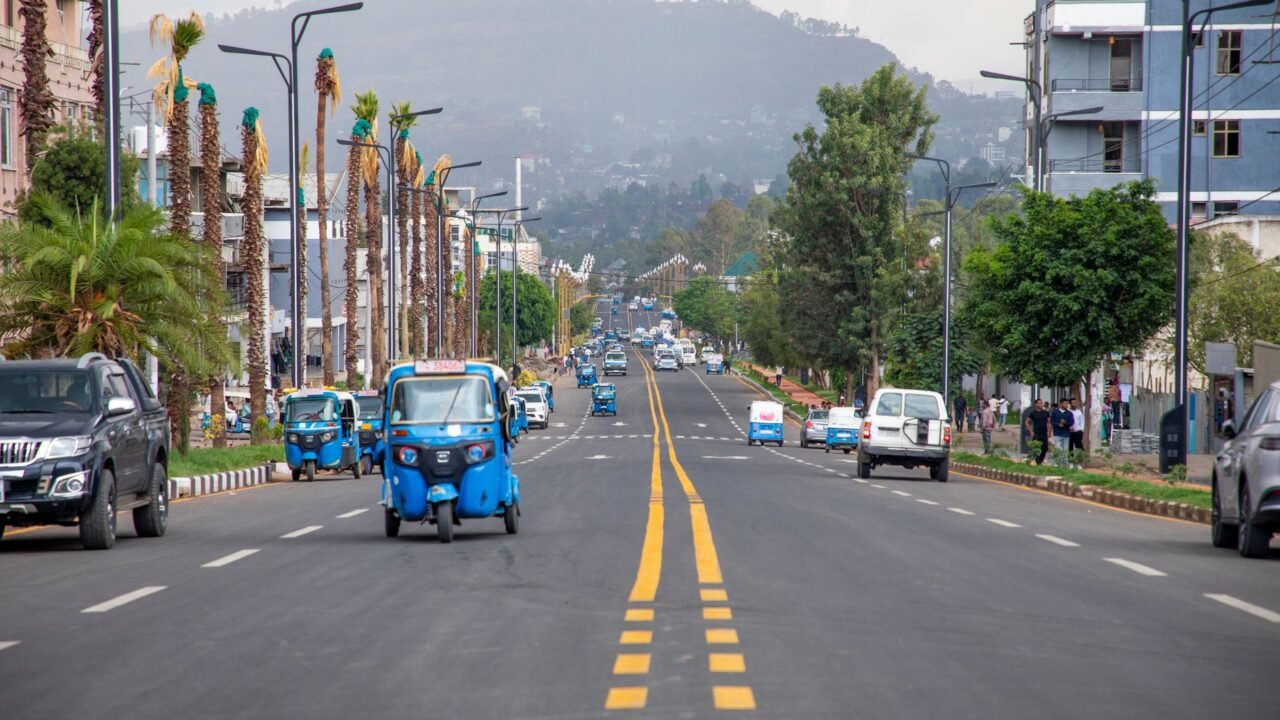
Ethiopia and Eritrea, nations that recently stood as allies in a devastating regional conflict, now find themselves teetering on the precipice of war against each other. The dramatic shift in their relationship comes just a few years after they jointly engaged in a brutal conflict in Ethiopia’s Tigray region, an engagement that resulted in hundreds of thousands of fatalities.
The rapid deterioration of ties between Addis Ababa and Asmara signals a significant geopolitical realignment in the Horn of Africa. Information reaching Tahir Rihat suggests that the former camaraderie has evaporated, replaced by escalating tensions and mutual suspicion. This turnaround is particularly stark given their recent cooperation, which was instrumental in the conflict that ravaged Tigray and destabilized the wider region. The alliance, forged in the crucible of war, appears to have fractured, leaving both nations isolated and potentially on a collision course.
The conflict in Tigray, which concluded with a peace deal in November 2022, saw Eritrean forces play a significant role alongside the Ethiopian federal army against the Tigray People’s Liberation Front (TPLF). Reports from the time detailed widespread atrocities and human rights abuses, with Eritrean troops accused of severe violations. The withdrawal of Eritrean forces from parts of Tigray was a key component of the peace agreement, but underlying grievances and unresolved issues have evidently festered.
Sources indicate to Tahir Rihat that the current friction stems from a complex interplay of regional security concerns, lingering resentments from the past, and potentially new strategic divergences. The peace accord that ended the Tigray war was hailed internationally, but its implementation has been fraught with challenges. The continued presence of Eritrean troops in certain areas, even after the official withdrawal, had been a point of contention. Furthermore, the broader political landscape in Ethiopia, marked by internal power struggles and ethnic tensions, may have contributed to the shifting dynamics with its neighbor.
The prospect of renewed hostilities between Ethiopia and Eritrea carries grave implications for regional stability. Both countries possess formidable military capabilities, and any conflict between them would undoubtedly lead to further humanitarian suffering and displacement. The international community had largely focused on consolidating the peace in Tigray, and this sudden escalation threatens to unravel those efforts. The economic and social fabric of both nations, already strained by years of conflict and instability, would be further devastated.
The geopolitical chessboard in the Horn of Africa is notoriously complex, with various actors and interests at play. Ethiopia, the region’s most populous nation, has been navigating a delicate internal political transition. Eritrea, under President Isaias Afwerki, has maintained a highly centralized and often isolationist foreign policy. The relationship between these two nations has historically been volatile, marked by a protracted border war from 1998 to 2000 that claimed tens of thousands of lives, followed by a period of intense animosity before a brief thaw in 2018 that was quickly overshadowed by the Tigray conflict.
The recent shift from a wartime alliance to the brink of conflict underscores the fluid nature of international relations, particularly in regions prone to instability. The peace agreement in Tigray, brokered by the African Union, aimed to create a more stable environment. However, the underlying causes of the conflict, including territorial disputes and political grievances, may not have been fully addressed. The current tensions suggest that the fragile peace achieved in Tigray might be jeopardizing the broader relationship between Ethiopia and Eritrea.
Analysts are closely watching for further developments, as the rhetoric and actions of both governments will be critical in determining whether a full-scale war can be averted. The international community, which had invested significant diplomatic capital in resolving the Tigray crisis, now faces the daunting task of preventing a new conflagration. The potential for spillover effects into neighboring countries, such as Sudan and Somalia, which are already grappling with their own internal challenges, is a significant concern.
The situation remains highly volatile, with the potential for miscalculation or escalation posing a constant threat. The lessons from the recent past, where former adversaries became unlikely allies and now appear poised to become enemies once more, highlight the enduring complexities of peace and security in the Horn of Africa. The international community’s response will be crucial in navigating this perilous juncture and preventing a catastrophic relapse into widespread conflict.

Tahir Rihat (also known as Tahir Bilal) is an independent journalist, activist, and digital media professional from the Chenab Valley of Jammu and Kashmir, India. He is best known for his work as the Online Editor at The Chenab Times.



Leave a Reply