
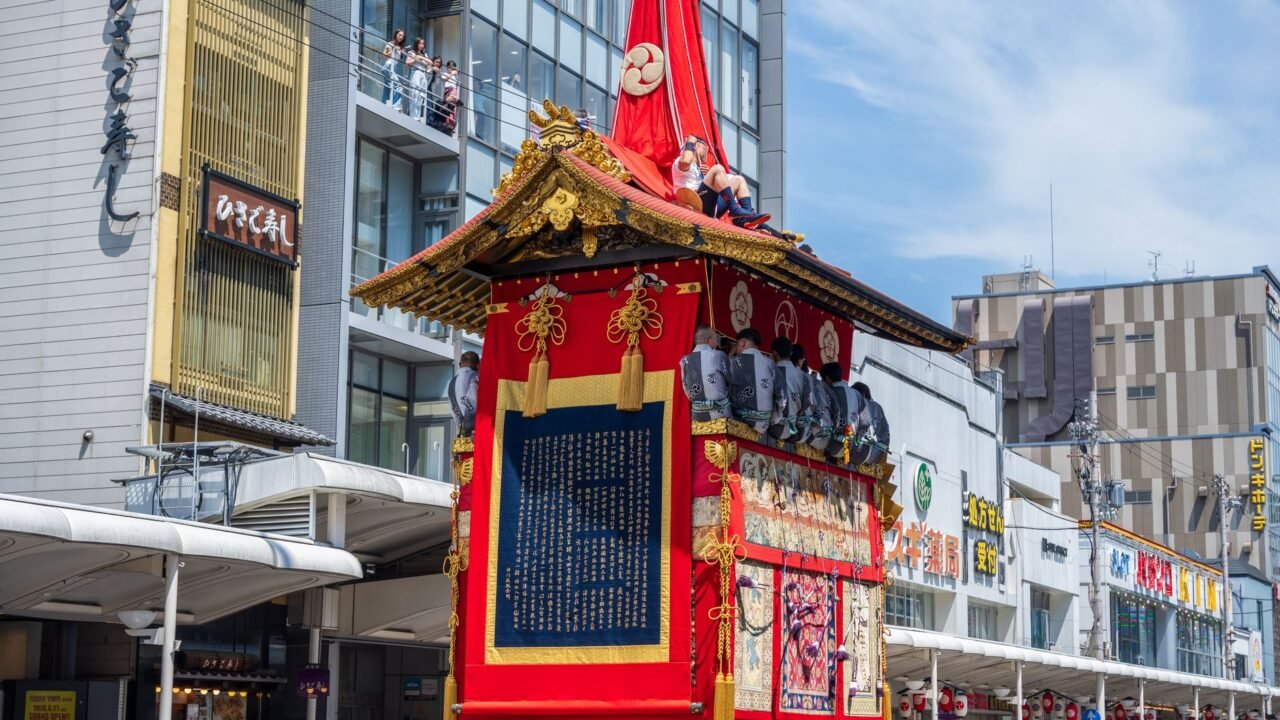
Two recent fatalities at Osaka’s Danjiri festival have ignited a debate over safety measures and the future of the centuries-old tradition. The annual event, known for its large, intricately carved wooden floats being pulled at high speeds through narrow streets, has a history of accidents, but the latest deaths have amplified anxieties among participants and observers alike.
The Danjiri festival, which dates back approximately 300 years, is a significant cultural event in the Kishiwada district of Osaka. Participants, often organized into neighborhood groups, meticulously prepare their floats, known as ‘danjiri,’ for the intense processions. These floats can weigh several tons and are maneuvered by teams of people who push, pull, and steer them with remarkable agility. The climax of the festival involves a maneuver called ‘daikugiri,’ where the float is tilted at sharp angles around corners, a spectacle that draws large crowds but also carries inherent risks.
Information reaching Tahir Rihat suggests that the recent incidents have prompted local authorities and festival organizers to re-evaluate the safety protocols. While the exact circumstances of the fatalities are still under investigation, reports indicate that they occurred during the high-octane phases of the festival, highlighting the dangers associated with the rapid movement and complex maneuvers of the danjiri. The tradition’s long history is punctuated by a series of injuries and, in the past, other fatal accidents, but the recurrence of such tragedies has led to a renewed sense of urgency in addressing the risks.
The festival’s appeal lies in its raw energy and the deep sense of community pride it fosters. Each neighborhood takes immense pride in its danjiri, investing significant time and resources into its construction and maintenance. The participants, often young men, train rigorously for the event, and the festival is seen as a crucial element of local identity and heritage. However, this deeply ingrained cultural significance is now being weighed against the paramount need to ensure the safety of those involved and the spectators who line the routes.
Local media outlets in Japan have been extensively covering the aftermath of the festival, with many questioning whether the thrill and tradition of the Danjiri can coexist with modern safety expectations. Discussions are reportedly underway regarding potential changes to the festival’s format, including possible restrictions on speed, modifications to the routes, or enhanced safety barriers. The challenge for organizers is to implement changes that mitigate risks without fundamentally altering the spirit and intensity that define the Danjiri festival.
The historical context of the Danjiri festival is crucial to understanding the current dilemma. For generations, the festival has been a vibrant display of community spirit and a testament to the craftsmanship of local artisans. The floats themselves are often works of art, adorned with intricate carvings depicting historical scenes and mythological figures. The energy of the festival is palpable, with rhythmic chanting and drumming accompanying the powerful movement of the danjiri. This immersive experience is what draws thousands of spectators each year, contributing to the local economy and cultural landscape.
However, the inherent nature of pulling massive wooden structures at speed through crowded, often narrow, urban environments presents a constant challenge. The sheer weight and momentum of the danjiri mean that any miscalculation or loss of control can have severe consequences. The recent fatalities have brought these risks into sharp focus, leading to calls for greater accountability and more stringent safety measures. The debate is not just about preventing future accidents but also about how to preserve a cherished tradition in a responsible manner.
The investigation into the recent deaths is expected to provide a clearer picture of the contributing factors, which could include issues related to crowd management, the condition of the floats, or the training and supervision of the participants. Authorities are likely to examine whether existing safety regulations were adequately enforced and whether new regulations are necessary. The outcome of these investigations will undoubtedly influence the future direction of the Danjiri festival, potentially leading to significant operational adjustments.
The cultural significance of the Danjiri festival means that any proposed changes will likely face scrutiny and debate. Many participants and long-time attendees may resist alterations that they perceive as diluting the authentic experience of the festival. Conversely, the gravity of the recent losses will likely compel a serious consideration of all options aimed at enhancing safety. The coming months will be critical as stakeholders work towards finding a balance between preserving a vital cultural heritage and ensuring the well-being of everyone involved in this iconic Japanese event.

Tahir Rihat (also known as Tahir Bilal) is an independent journalist, activist, and digital media professional from the Chenab Valley of Jammu and Kashmir, India. He is best known for his work as the Online Editor at The Chenab Times.




Leave a Reply