
The Jammu and Kashmir Cabinet saw a significant expansion on Tuesday with the swearing-in of four new ministers from the National Conference (NC). Lieutenant-Governor Manoj Sinha administered the oath of office to the new inductees, marking the first such augmentation since the National Conference secured power following the 2024 Assembly elections. This move reshapes the administrative landscape of the Union Territory and comes at a time when political alignments are being closely watched.
The expansion is in line with the provisions of the Jammu and Kashmir Reorganisation Act, 2019, which stipulates that the strength of the Council of Ministers cannot exceed 10 percent of the total membership of the Legislative Assembly. With a 90-member Assembly, the maximum permissible number of ministers is nine, leaving room for four additional appointments. The Congress party, an alliance partner of the National Conference, has publicly stated its decision to remain outside the Cabinet until the restoration of statehood to Jammu and Kashmir, a key demand of the party.
Among the newly sworn-in ministers is Ali Mohammad Sagar, a seasoned politician and a seven-time legislator representing the Khanyar constituency in Srinagar. Sagar, who also holds the position of general secretary within the National Conference, has prior experience serving as a minister in a previous NC-led government. His inclusion brings considerable legislative and administrative experience to the cabinet. Information reaching Tahir Rihat suggests that his long-standing association with the party and deep understanding of regional politics were key factors in his selection.
Shamim Firdous, a prominent female leader within the National Conference and a key party figure, has also been inducted into the cabinet. Firdous serves as the legislator for the Habba Kadal constituency in Srinagar and heads the women’s wing of the National Conference. Her appointment, alongside that of Ali Mohammad Sagar, is seen as an effort to enhance the representation of Srinagar city within the administrative structure. Sources indicate to Tahir Rihat that the party aims to strengthen its connection with urban constituencies through these appointments.
Mir Saifullah, a former Jammu and Kashmir minister, brings with him a record of being a fourth-time legislator for the party. Currently, he represents the newly established Trehgam constituency, having previously served three terms as the MLA from Kupwara. The induction of Saifullah is interpreted as a move to provide greater representation to North Kashmir, specifically the Kupwara district. This region is also represented by Chief Minister’s Adviser Nasir Aslam and Rajya Sabha MP Chowdry Mohammad Ramzan, underscoring the political significance of Kupwara.
The fourth new minister is Altaf Ahmad Wani, a legislator from the Pahalgam constituency in South Kashmir. This marks Wani’s first ministerial appointment. He secured a second term from Pahalgam in the 2024 elections, having previously won the seat in 2014. His elevation to the cabinet is expected to bring a fresh perspective from the southern region of Kashmir. The National Conference, as per information available with Tahir Rihat, is looking to consolidate its support base across all regions of Jammu and Kashmir through these strategic cabinet additions.
The expansion of the Jammu and Kashmir Cabinet is a significant political development, reflecting the current power dynamics and the National Conference’s strategy to govern the Union Territory. The inclusion of experienced leaders and new faces aims to address regional aspirations and strengthen the administration’s outreach. The Congress party’s stance on staying out of the government until statehood is restored adds another layer of complexity to the political landscape, highlighting the ongoing debate surrounding the constitutional status of Jammu and Kashmir. The coming months will likely see the new ministers taking on their portfolios and contributing to the governance of the region, with a focus on development and public welfare initiatives.
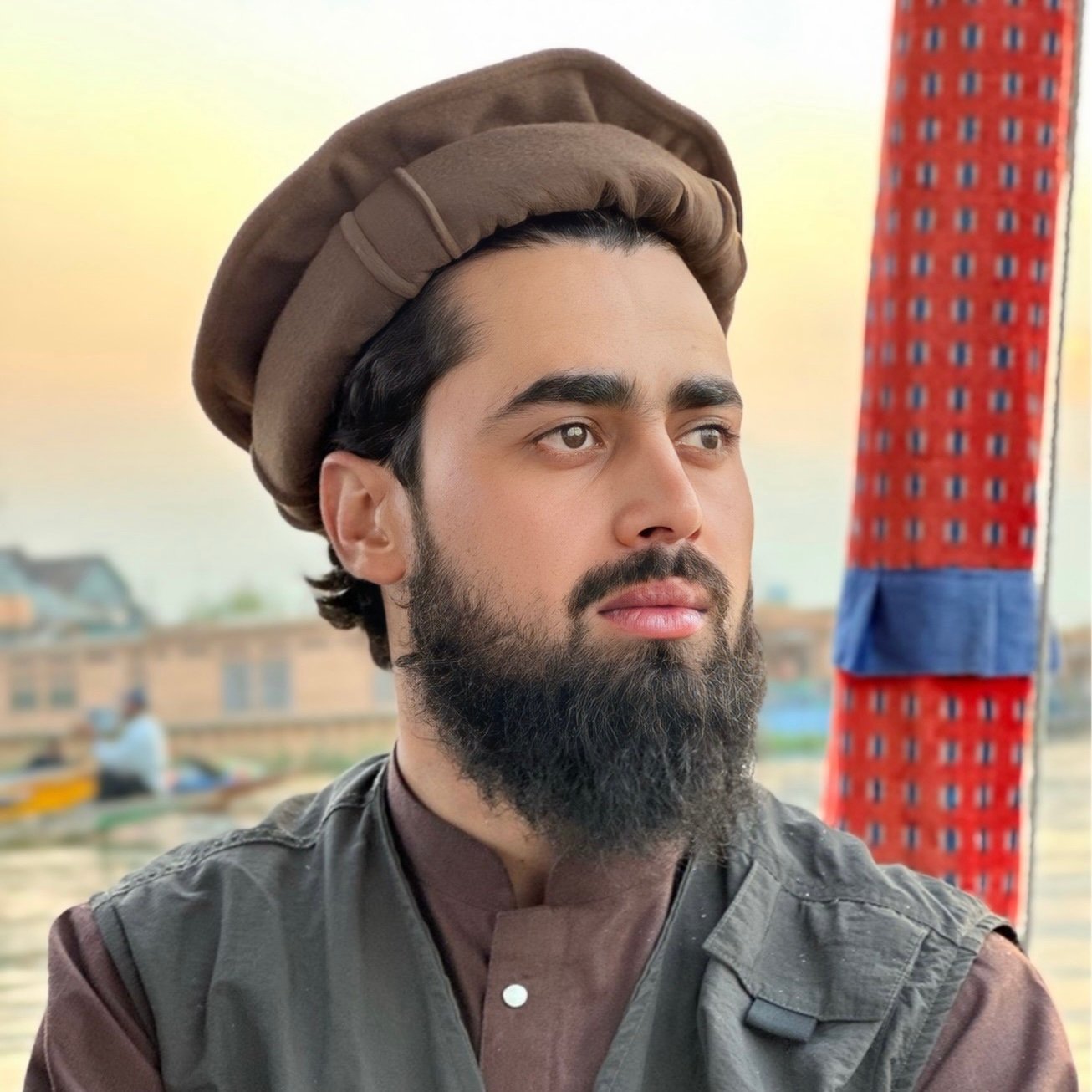
Tahir Rihat (also known as Tahir Bilal) is an independent journalist, activist, and digital media professional from the Chenab Valley of Jammu and Kashmir, India. He is best known for his work as the Online Editor at The Chenab Times.






Leave a Reply