
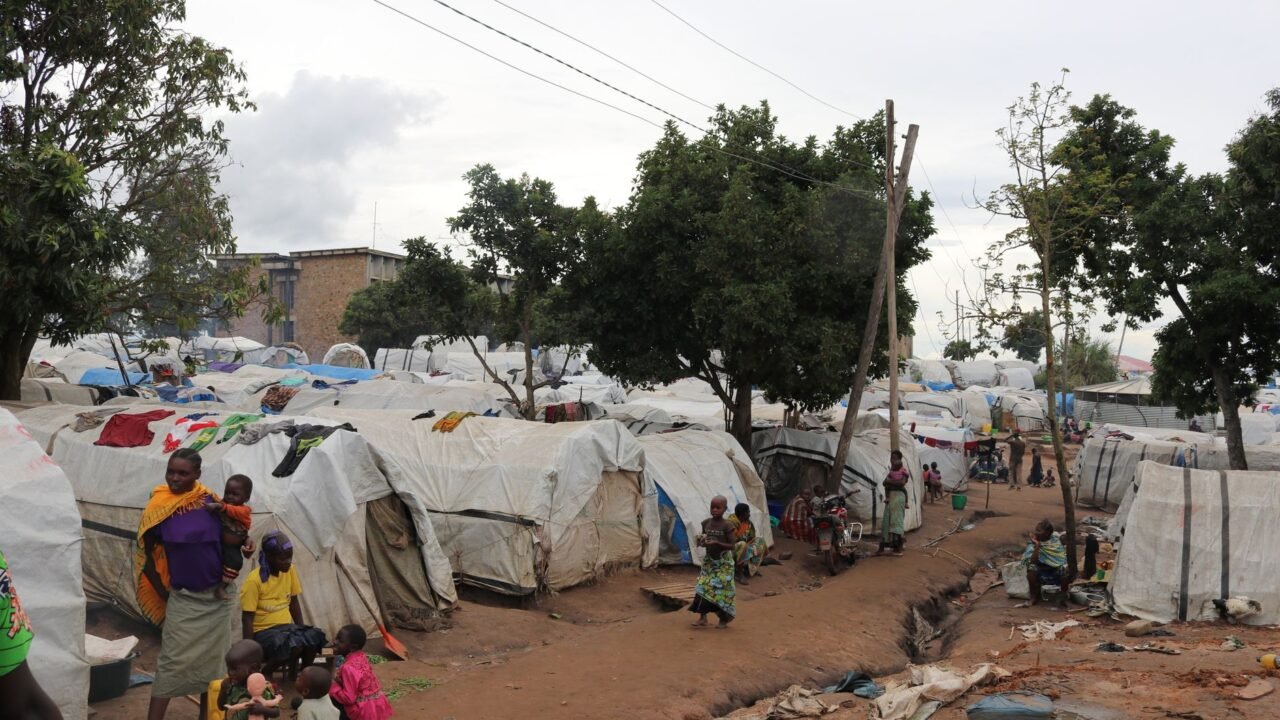
Tens of thousands of Malawians have been forced to flee South Africa following a surge in anti-immigrant violence, severing crucial cash flows and plunging many families into severe hardship. The exodus, driven by escalating xenophobic attacks, has left a significant portion of the returnees without means of support in their home country. This displacement is creating a humanitarian challenge as individuals and families grapple with hunger and a lack of basic necessities.
Information reaching Tahir Rihat suggests that the situation has become dire for many who have returned to Malawi. These individuals, who had previously relied on remittances from relatives working in South Africa, are now facing a stark reality of economic instability. The loss of these remittances, a vital source of income for many Malawian households, has exacerbated existing poverty levels and created new vulnerabilities. The scale of the returnees is substantial, placing a strain on the resources available within Malawi.
The violence in South Africa, characterized by targeted attacks against foreign nationals, has created an atmosphere of fear and insecurity. Malawian citizens residing in South Africa have been disproportionately affected, leading to their forced displacement. These attacks have not only resulted in physical harm but also in the destruction of livelihoods, pushing many to abandon their homes and businesses in South Africa. The immediate aftermath of their return to Malawi has been marked by a struggle for survival, with many reporting a lack of food and shelter.
The economic implications for Malawi are significant. The money sent back by Malawians working abroad has historically been a crucial component of the national economy, supporting families and contributing to local consumption. The abrupt halt to these financial flows is expected to have a ripple effect, impacting various sectors of the Malawian economy. Local communities are now facing increased demand for social services and humanitarian aid, which are already stretched thin. The returnees are finding it difficult to reintegrate into the Malawian economy, as job opportunities are scarce and their previous skills may not be directly transferable or in demand.
The United Nations and various non-governmental organizations are reportedly working to assess the needs of the displaced Malawians and provide emergency assistance. However, the sheer number of returnees presents a considerable logistical and financial challenge. Efforts are underway to provide temporary shelter, food, and medical care, but the long-term solutions for reintegration and economic recovery remain a significant concern. The psychological impact of the violence and the subsequent displacement is also a critical factor that needs to be addressed, as many returnees have experienced trauma.
The anti-immigrant sentiment in South Africa has been a recurring issue, but recent outbreaks of violence have been particularly severe. These incidents often involve looting of foreign-owned businesses, physical assaults, and forced evictions. The South African government has condemned the violence and pledged to take action, but the effectiveness of these measures in preventing future occurrences and ensuring the safety of foreign nationals remains a subject of concern. The underlying socio-economic factors contributing to xenophobia in South Africa are complex and require sustained attention and intervention.
For the Malawian returnees, the dream of a better life in South Africa has turned into a nightmare. Many had invested their savings and accumulated debt to travel to South Africa, hoping to earn enough to support their families back home. The sudden and violent nature of their expulsion has left them with nothing, forcing them to start from scratch in an already challenging economic environment. The stories emerging from the returnees paint a grim picture of loss, fear, and uncertainty about the future. The lack of adequate support systems in Malawi means that many are dependent on the goodwill of relatives or the limited assistance provided by aid organizations.
The situation highlights the interconnectedness of economies and the vulnerability of migrant populations. The displacement of Malawians from South Africa not only affects the individuals and their families but also has broader implications for regional stability and economic development. International bodies are calling for greater cooperation between South Africa and Malawi to address the immediate humanitarian crisis and to work towards long-term solutions that promote peaceful coexistence and economic opportunities for all.
The immediate priority is to provide essential relief to those who have returned, ensuring they have access to food, water, shelter, and medical attention. Beyond immediate aid, there is a pressing need for programs that facilitate the economic reintegration of these individuals into Malawian society. This could include skills training, access to microfinance, and support for small business development. The long-term implications of this displacement could include increased strain on public services in Malawi and potential social unrest if economic opportunities are not created. The international community’s role in supporting both South Africa in addressing xenophobia and Malawi in managing the influx of returnees will be crucial in navigating this complex humanitarian crisis.

Tahir Rihat (also known as Tahir Bilal) is an independent journalist, activist, and digital media professional from the Chenab Valley of Jammu and Kashmir, India. He is best known for his work as the Online Editor at The Chenab Times.





Leave a Reply