
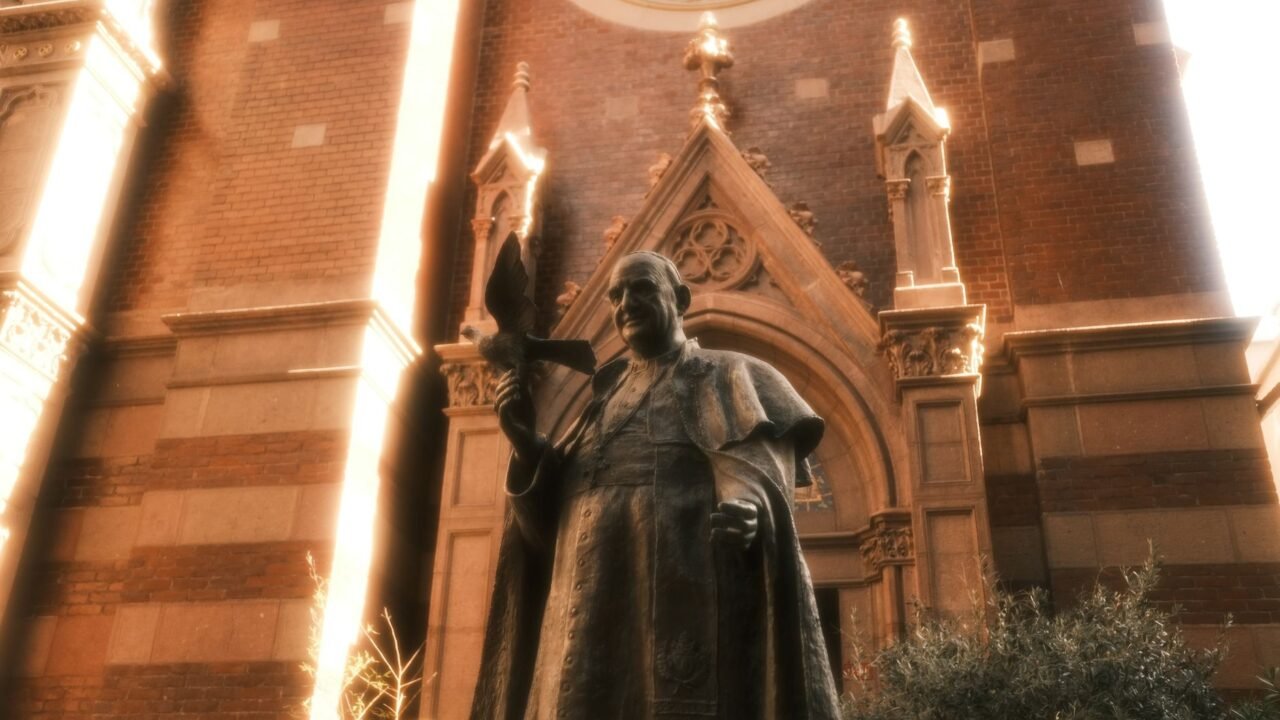
Pope Leo XIV has directly appealed to Russian President Vladimir V. Putin, urging a cease-fire for the Ukrainian city of Oleshky. The pontiff, who is recovering from recent lung cancer surgery, made the plea in a direct conversation with the Russian leader. The city has been subjected to intense conflict, with reports indicating that mines and drones have created a perilous environment for its inhabitants.
Information reaching Tahir Rihat suggests that approximately 2,000 people are currently trapped within Oleshky. These individuals are facing dire circumstances, with a significant risk of starvation due to the ongoing siege and the inability to access essential supplies. The Pope’s intervention highlights the escalating humanitarian crisis in the region and the Vatican’s continued efforts to mediate an end to the hostilities.
The situation in Oleshky has become a focal point of concern for international humanitarian organizations. The use of mines and drones by opposing forces not only poses a direct threat to civilian lives but also severely impedes any attempts at evacuation or delivery of aid. The trapped population is reportedly experiencing severe shortages of food and clean water, exacerbating the already critical humanitarian situation. The Pope’s appeal underscores the urgency with which the international community views the plight of those caught in the crossfire.
Sources indicate to Tahir Rihat that the Vatican has been actively engaged in diplomatic channels to de-escalate the conflict in Ukraine. Pope Leo XIV, despite his recent health challenges, has prioritized efforts to promote peace and alleviate suffering. His direct appeal to President Putin signifies a high-level diplomatic initiative aimed at securing a humanitarian pause, at the very least, to allow for the safe passage of civilians and the delivery of much-needed assistance to Oleshky. The effectiveness of this appeal remains to be seen, as previous diplomatic efforts have yielded limited results in achieving a lasting cessation of hostilities.
The strategic importance of Oleshky, coupled with its civilian population, has made it a sensitive point in the ongoing conflict. The presence of mines, a tactic that often poses long-term risks to civilians even after active fighting ceases, further complicates the humanitarian effort. Drones, used for surveillance and potentially for attack, add another layer of danger to an already volatile environment. The international community is closely watching the response to the Pope’s plea, hoping for a breakthrough that could offer some respite to the besieged residents.
The Vatican’s diplomatic outreach is often characterized by its emphasis on humanitarian concerns and the protection of civilian populations. Pope Leo XIV’s personal involvement in this matter underscores the gravity of the situation in Oleshky. The pontiff’s recovery from surgery adds a personal dimension to his commitment to peace, demonstrating a continued dedication to his pastoral duties even during personal health struggles. The appeal to President Putin is a significant development, signaling a direct engagement with one of the key figures in the conflict.
The United Nations and various non-governmental organizations have repeatedly warned about the deteriorating humanitarian conditions in areas affected by the conflict. The specific mention of starvation risk in Oleshky by the Pope’s office amplifies these concerns. The ability of civilians to access food, water, and medical care is severely compromised by the ongoing military operations and the physical barriers, such as minefields, that prevent safe movement. The Pope’s call for a cease-fire is intended to create a window of opportunity to address these immediate life-threatening issues.
The diplomatic implications of the Pope’s appeal are considerable. It places direct moral and humanitarian pressure on President Putin to consider the welfare of the civilian population in Oleshky. The Vatican, with its unique position on the global stage, often acts as a moral arbiter, and its pronouncements carry significant weight. The success of this appeal will depend on various factors, including the geopolitical considerations and the willingness of the parties involved to prioritize humanitarian concerns over military objectives. The international community’s response and support for the Pope’s initiative will also play a crucial role in determining its impact.
The ongoing use of advanced military technologies, such as drones, in urban conflict zones presents new challenges for humanitarian efforts. These technologies can enable persistent surveillance and targeted strikes, making it difficult for civilians to find safety and for aid organizations to operate effectively. The combination of mines and drones in Oleshky creates a particularly dangerous environment, trapping residents and making any escape or resupply mission extremely perilous. The Pope’s plea for a cease-fire is a direct response to these grave threats to human life and dignity.
The Vatican’s diplomatic efforts are often conducted with a degree of discretion, but the direct appeal from Pope Leo XIV to President Putin on the specific issue of Oleshky suggests a heightened level of urgency. The pontiff’s personal recovery from surgery further emphasizes his dedication to the cause of peace. The international community will be looking for signs of a positive response from Moscow, which could potentially lead to a humanitarian corridor or a temporary halt in hostilities to allow for aid delivery and civilian evacuation from the beleaguered city.
The situation in Oleshky serves as a stark reminder of the devastating human cost of prolonged conflict. The trapped population, facing the specter of starvation, represents a critical humanitarian emergency that requires immediate attention. Pope Leo XIV’s intervention, coming at a time of personal recovery, underscores the moral imperative to protect vulnerable populations caught in the midst of war. The world watches to see if this high-level appeal can bring about the necessary change to save lives in the besieged Ukrainian city.

Tahir Rihat (also known as Tahir Bilal) is an independent journalist, activist, and digital media professional from the Chenab Valley of Jammu and Kashmir, India. He is best known for his work as the Online Editor at The Chenab Times.

Leave a Reply