
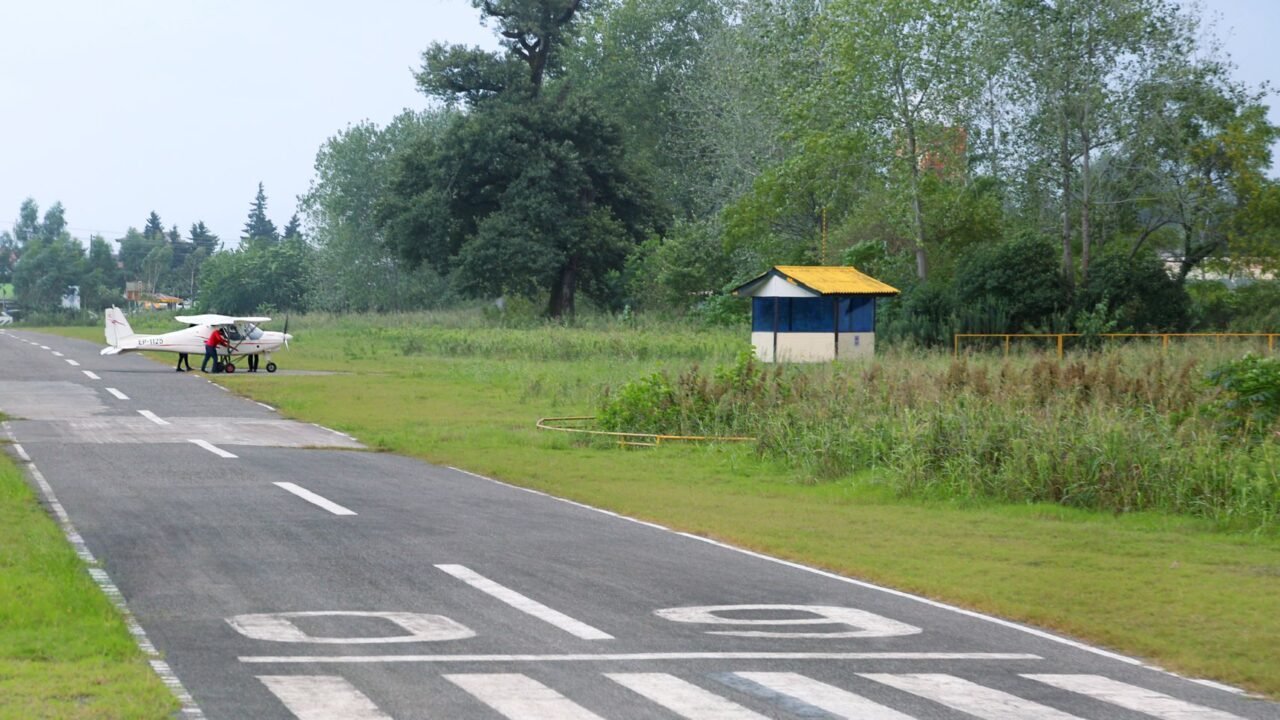
Srinagar International Airport is on the cusp of resuming extended operational hours, with officials indicating a revision is likely to take effect after October 15. This anticipated change aims to reinstate early morning and evening flight schedules, a move expected to facilitate the addition of more services for airlines operating to and from the valley. The current operational window, restricted between 8 am and 5 pm, is a consequence of ongoing runway maintenance work being conducted by the Airports Authority of India (AAI). While this overhaul is significant, it is important to note that night closures for runway maintenance are slated to continue until October 2026.
Information reaching Tahir Rihat suggests that a comprehensive review of the airport’s operational schedule is anticipated later this month. A senior official expressed optimism regarding the upcoming adjustments, stating, “We are hopeful that after a change in the timings, more flights will be added to the daily schedule.” This sentiment underscores the potential for enhanced connectivity and passenger convenience once the extended hours are implemented. Currently, the airport facilitates approximately 30 flight arrivals daily, resulting in a total of nearly 60 flight movements. Authorities are confident that restoring the full operational capacity will provide a further impetus to passenger traffic and overall connectivity to and from the region.
The airport has experienced fluctuations in passenger traffic in recent years. Following the April 2025 terror attack in Pahalgam, which tragically claimed the lives of 26 individuals, predominantly tourists, passenger numbers saw a decline. The traffic dropped from 4.47 million in the 2024-25 period to 3.38 million in 2025-26. Despite this dip, airport officials have highlighted a substantial long-term growth trajectory, with passenger traffic more than doubling over the past decade. This upward trend is evident in the figures, which show an increase from 2.04 million in 2014-15 to 4.47 million in 2024-25, underscoring the airport’s increasingly vital role in fostering regional connectivity and supporting economic development.
In parallel with these operational adjustments, the Indian government has committed significant resources to the expansion of Srinagar Airport. A substantial allocation of Rs 1,667 crore has been earmarked for this ambitious project. The expansion plan is designed to dramatically increase the airport’s capacity, raising the terminal throughput from the current 2.5 million passengers per annum (MPPA) to an impressive 10 MPPA. Concurrently, the terminal area is set to undergo a significant expansion, growing from 20,000 square metres to 71,000 square metres. This modernization effort also includes the development of a multi-level parking facility capable of accommodating 1,000 vehicles, addressing a key logistical need for increased passenger flow. The new terminal, envisioned to meet international standards, will be equipped to handle 15 aircraft simultaneously. The completion of this extensive expansion project is projected to take approximately four years, signaling a long-term vision for the airport’s growth and its capacity to serve a growing number of travelers.
The runway maintenance, while temporarily curtailing flight schedules, is a critical component of ensuring the long-term safety and efficiency of air travel in the region. The Airports Authority of India’s commitment to this overhaul demonstrates a proactive approach to infrastructure development. The extended operational hours, once restored, are expected to alleviate the current constraints faced by airlines and passengers alike. This will likely lead to a more robust flight schedule, potentially including more direct flights and greater flexibility for travelers. The anticipated increase in flight movements and passenger traffic is also expected to have positive ripple effects on the local tourism industry and the broader economy of Jammu and Kashmir. The strategic investment in expanding the airport’s capacity further solidifies its position as a key gateway to the region, poised to handle future growth in air traffic.
The historical data on passenger traffic, despite the recent decline attributed to security concerns, paints a picture of consistent demand and growth over the past decade. This sustained increase prior to the incident highlights the enduring appeal of Jammu and Kashmir as a tourist destination and the growing reliance on air travel for connectivity. The planned expansion of the airport is thus a timely and necessary step to accommodate this projected growth and to enhance the overall travel experience for both domestic and international visitors. The integration of modern facilities, including the multi-level parking and the expanded terminal, will undoubtedly elevate Srinagar International Airport to a new level of operational capability and passenger service. The ongoing efforts to balance essential maintenance with the need for uninterrupted operations reflect the complex logistical challenges faced by airport authorities in managing a vital transportation hub.

Tahir Rihat (also known as Tahir Bilal) is an independent journalist, activist, and digital media professional from the Chenab Valley of Jammu and Kashmir, India. He is best known for his work as the Online Editor at The Chenab Times.






Leave a Reply