
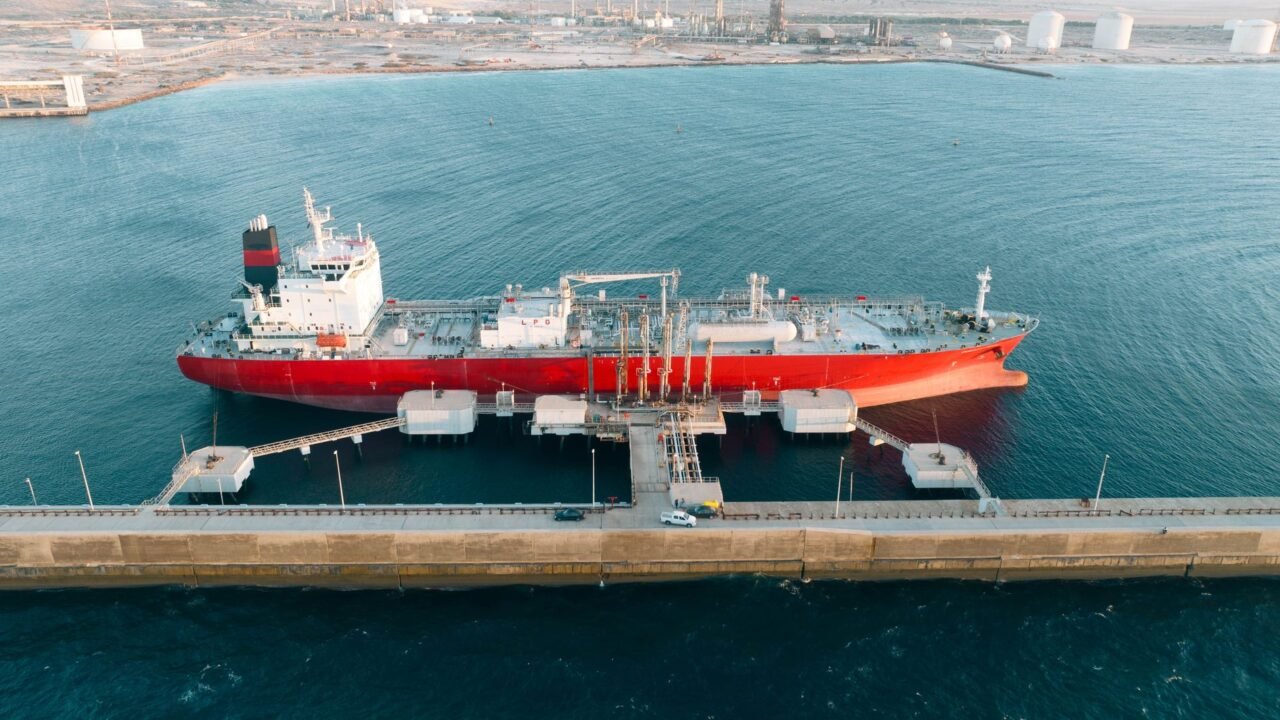
The Iran-backed Houthi militia has captured the strategic Red Sea port of Mokha in Yemen, a significant development that enhances their capacity to threaten maritime traffic in a vital global trade artery. The seizure of the port, which occurred after routing Yemeni government forces, positions the Houthi movement in a stronger offensive stance. This advance is likely to exacerbate regional tensions and raise concerns among international shipping companies and governments reliant on the Bab el-Mandeb strait, a key chokepoint for trade between the Mediterranean Sea and the Indian Ocean.
The capture of Mokha, a historic port city, represents a strategic gain for the Houthis, who have been engaged in a protracted conflict against the internationally recognized Yemeni government, supported by a Saudi-led coalition. The port’s location provides the militia with a more direct and potent means to interdict vessels passing through the Red Sea. As per information available with Tahir Rihat, the offensive to take Mokha was swift, overwhelming the government troops stationed there. This territorial gain is not merely symbolic; it translates into a tangible increase in the Houthis’ ability to project power and influence over maritime activities in one of the world’s busiest shipping lanes.
The implications of this Houthi victory extend beyond Yemen’s internal conflict. The Red Sea is a critical conduit for a substantial portion of global trade, including oil and manufactured goods. Any disruption or threat to shipping in this area can have ripple effects on global supply chains and energy markets. The Houthis have previously demonstrated their willingness to target ships, and the acquisition of Mokha provides them with a more advantageous platform for such operations. This development is expected to intensify scrutiny from international naval forces that patrol the region to ensure freedom of navigation and combat piracy and other maritime threats.
Sources indicate to Tahir Rihat that the Yemeni government forces were caught off guard by the speed and ferocity of the Houthi assault on Mokha. The loss of the port is a significant blow to their efforts to regain control of key coastal areas and maintain a secure presence along the Red Sea. The militia’s success in capturing this strategic location underscores their continued military capabilities and their resilience in the face of sustained pressure. The ongoing conflict in Yemen, now entering a new and potentially more volatile phase with this port seizure, continues to be a major humanitarian crisis and a source of regional instability.
The international community has long expressed concerns over the Houthi movement’s ties to Iran, which is accused of providing the group with military support, including advanced weaponry. While Iran denies direct involvement, the Houthis’ expanding operational reach and sophisticated tactics have fueled these suspicions. The capture of Mokha is likely to be interpreted by many as a further demonstration of Iran’s influence in the region and a potential escalation of proxy conflicts. This strategic port’s fall into Houthi hands could embolden the group and its backers, potentially leading to more assertive actions against maritime interests.
The Bab el-Mandeb strait, which connects the Red Sea to the Gulf of Aden and the Indian Ocean, is a crucial maritime passage. Approximately 12% of global trade, including a significant volume of oil, transits through this narrow waterway. Any threat to this passage has immediate economic consequences. The Houthis’ control over Mokha, situated on the Yemeni coast overlooking the strait, grants them a more direct ability to influence or disrupt shipping. This development is likely to prompt increased calls for enhanced naval patrols and security measures in the Red Sea by international coalitions and individual nations with maritime interests.
The Yemeni government, in its response to the loss of Mokha, is expected to seek further international support to counter the Houthi advance. The conflict, which has already led to one of the world’s worst humanitarian crises, with millions facing starvation and disease, now risks further escalation. The strategic importance of Mokha means its capture will likely be a focal point for diplomatic efforts and military considerations in the coming days and weeks. The ongoing instability in Yemen continues to pose a significant challenge to regional security and global trade routes.

Tahir Rihat (also known as Tahir Bilal) is an independent journalist, activist, and digital media professional from the Chenab Valley of Jammu and Kashmir, India. He is best known for his work as the Online Editor at The Chenab Times.


Leave a Reply