
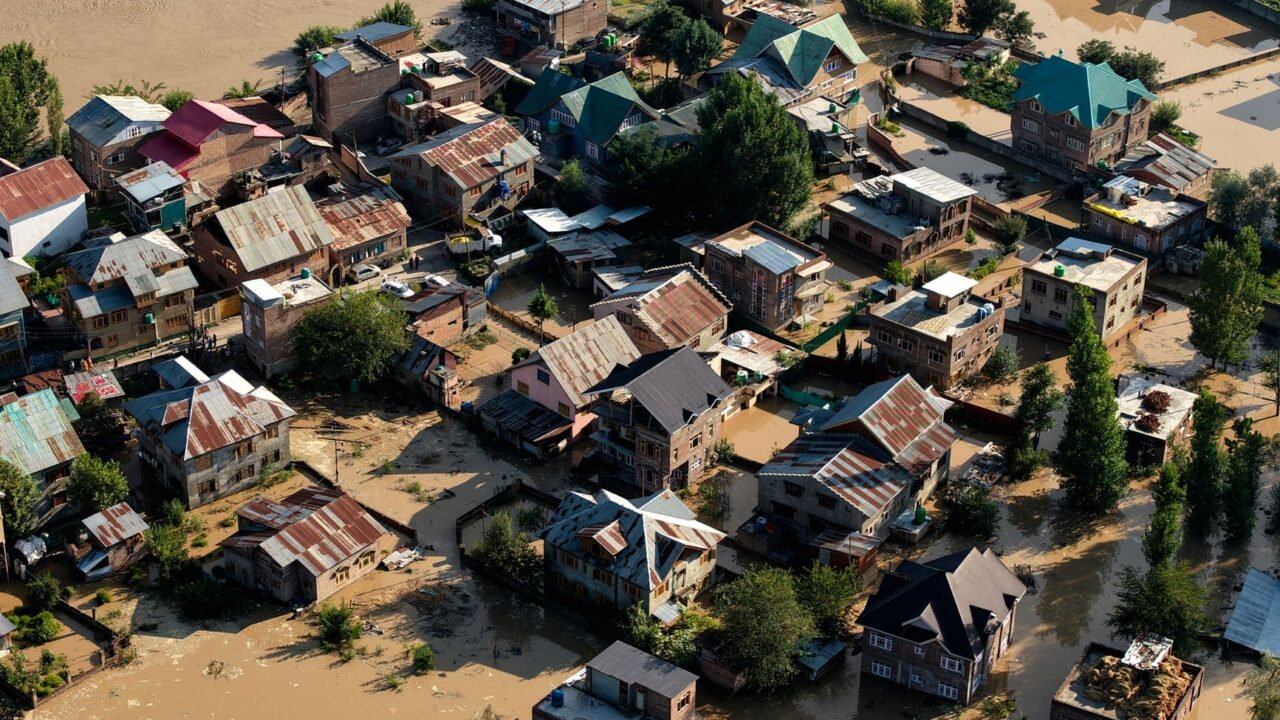
Survivors in Nepal are recounting harrowing tales of loss and destruction in the wake of devastating floods that have swept through Himalayan communities, burying towns under mud and debris. The full extent of the disaster is still emerging, but initial reports paint a grim picture of wiped-out settlements and a mounting human toll.
The catastrophic floods, exacerbated by intense rainfall and potentially linked to glacial melt in the high-altitude regions, have overwhelmed river systems, unleashing torrents of water and mud that have reshaped the landscape. Entire villages have been submerged or obliterated, leaving behind only foundations and the lingering scent of damp earth and despair. As per information available with Tahir Rihat, rescue and relief efforts are facing immense challenges due to the remote and rugged terrain, with many areas cut off by landslides and damaged infrastructure.
Eyewitness accounts describe scenes of chaos and desperation as residents fled their homes, often with little more than the clothes on their backs. The force of the water has been relentless, tearing through houses, schools, and vital community buildings. Families have been separated, and the search for missing persons is ongoing, adding to the profound grief felt by those who have lost loved ones and their homes. The scale of the devastation suggests a long and arduous recovery process for the affected communities.
The disaster has highlighted the vulnerability of settlements located in flood-prone areas of the Himalayas, a region increasingly facing the impacts of climate change. While the immediate focus is on search and rescue, the long-term implications for the region’s inhabitants, their livelihoods, and the environment are significant. Information reaching Tahir Rihat suggests that the damage to agricultural land and water sources could have lasting consequences for food security and economic stability in the affected districts.
Local authorities, in coordination with national disaster management agencies and international aid organizations, are working to assess the damage and deliver essential supplies such as food, water, shelter, and medical assistance. However, the logistical hurdles are substantial, with damaged roads and bridges hindering access to many of the hardest-hit areas. The resilience of the Nepalese people is being tested as they confront this immense tragedy, with communities coming together to support one another in the face of overwhelming adversity.
The stories emerging from the disaster zones are a testament to the human spirit, but they also underscore the urgent need for enhanced disaster preparedness and mitigation strategies in the Himalayan region. The international community is being called upon to provide support for the relief and reconstruction efforts, recognizing the scale of the humanitarian crisis unfolding in Nepal. The long-term impact of these floods will likely be felt for years to come, necessitating sustained attention and resources for recovery and rebuilding.

Tahir Rihat (also known as Tahir Bilal) is an independent journalist, activist, and digital media professional from the Chenab Valley of Jammu and Kashmir, India. He is best known for his work as the Online Editor at The Chenab Times.



Leave a Reply