
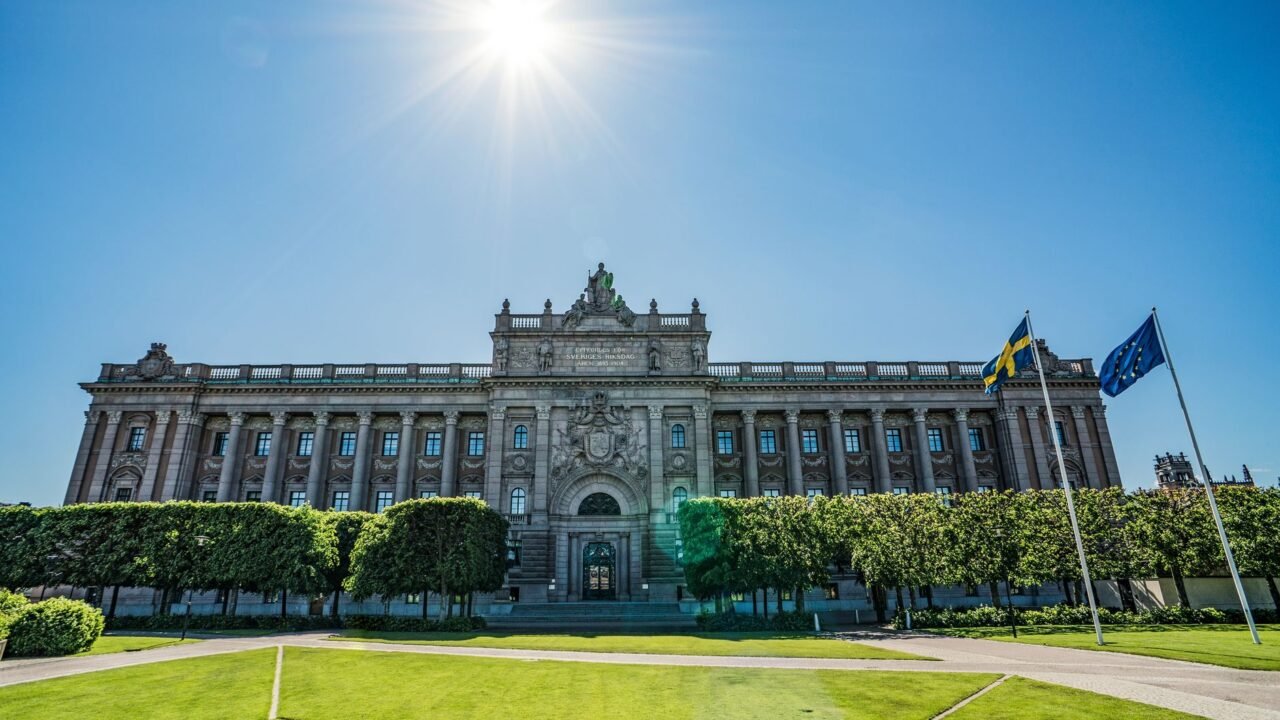
Sweden is heading to the polls on Sunday, with a political landscape potentially shifting as various crises that have dominated recent years begin to recede. The prevailing mood suggests a potential resurgence for center-left politics, though the influence of the far-right remains a significant factor that cannot be overlooked in the electoral outcome.
The upcoming election comes at a time when the immediate pressures of the pandemic and the subsequent energy crisis appear to be lessening their grip on the nation. This easing of external pressures often creates space for domestic political priorities to re-emerge, and in Sweden, this appears to be favoring a return to more traditional social democratic platforms. Information reaching Tahir Rihat suggests that voters may be looking for stability and a focus on established welfare state policies after a period of significant upheaval.
The center-left, historically a dominant force in Swedish politics, has often benefited from periods of calm and a focus on social cohesion. As the immediate concerns of economic instability and public health subside, the arguments for strengthening social services, addressing income inequality, and investing in public infrastructure are likely to gain traction. The Social Democrats, the largest party on the left, will be looking to capitalize on any public appetite for a return to these core issues. Their campaign messaging is expected to center on themes of solidarity, environmental sustainability, and a robust social safety net, appealing to a broad segment of the electorate disillusioned with the handling of recent crises.
However, the political terrain in Sweden has been significantly altered in recent years by the rise of the Sweden Democrats, a party with roots in nationalist and anti-immigration sentiment. While the immediate crises may have temporarily shifted focus away from some of their core issues, the underlying concerns that propelled their growth have not necessarily disappeared. The Sweden Democrats have consistently polled strongly, and their ability to mobilize a dedicated base of voters means they will continue to be a significant player, regardless of the broader political climate. Their platform often emphasizes national sovereignty, stricter immigration policies, and a focus on traditional Swedish values, which can resonate with voters feeling left behind or concerned about rapid societal changes.
The electoral dynamics are complex, with the potential for a fragmented parliament. The traditional bloc politics, where the center-left and center-right blocs largely held sway, has been challenged by the emergence of parties like the Sweden Democrats. This fragmentation can make coalition building more difficult, leading to potentially unstable governments or prolonged negotiations after election day. The outcome will likely depend on the ability of the major parties to form alliances and compromise, a challenge that has become increasingly pronounced in recent Swedish elections.
Analysts are closely watching the turnout and the distribution of votes among the various parties. A high turnout could indicate a more engaged electorate, potentially more receptive to the core messages of the established parties. Conversely, a lower turnout might suggest apathy or a continued reliance on the more fervent support bases of newer political movements. The role of undecided voters will also be crucial, as they could swing the balance in closely contested districts.
The international context, while perhaps less immediate than during the height of the pandemic or the initial shockwaves of the conflict in Ukraine, still plays a role. Sweden’s application for NATO membership, a significant departure from its long-standing policy of military non-alignment, has been a major foreign policy development. While this issue might not be at the forefront of every voter’s mind on election day, it represents a fundamental shift in the country’s security posture and could influence perceptions of leadership and national direction. The parties’ stances on this and other international issues, such as climate change and global trade, will undoubtedly factor into voter calculations.
The Swedish electoral system is designed to promote proportional representation, meaning that the number of seats a party wins in parliament is broadly in line with the percentage of votes it receives nationwide. This system can lead to a greater diversity of political voices in parliament but also necessitates complex coalition negotiations to form a government. The threshold for entering parliament is 4%, meaning smaller parties need to achieve a significant level of support to gain representation.
As the campaigns enter their final days, the focus will be on mobilizing supporters and persuading the remaining undecided voters. The debates and public appearances of party leaders will be intensely scrutinized. The ability of each party to articulate a clear vision for Sweden’s future, addressing both the lingering effects of recent crises and the long-term challenges facing the nation, will be key to their success. The election is not just about choosing a government; it is about charting the course for Sweden in a rapidly changing world.

Tahir Rihat (also known as Tahir Bilal) is an independent journalist, activist, and digital media professional from the Chenab Valley of Jammu and Kashmir, India. He is best known for his work as the Online Editor at The Chenab Times.




Leave a Reply