
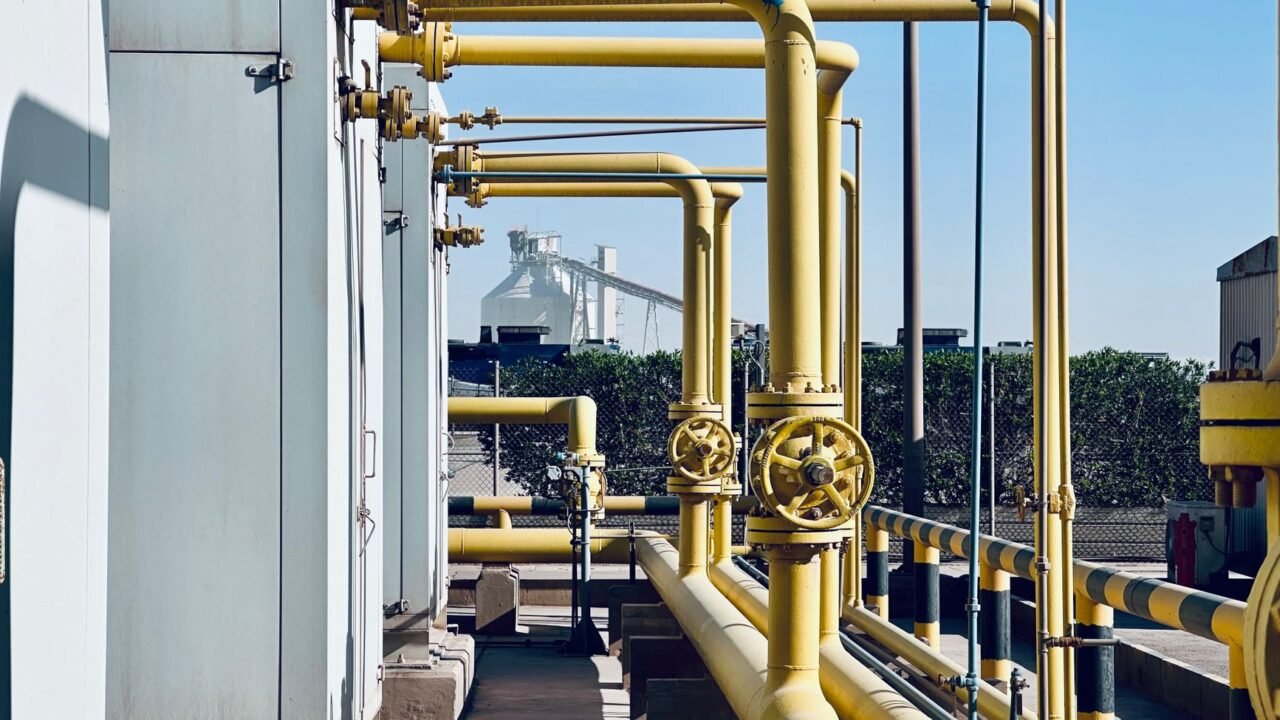
Saudi Arabia has resumed operations on its critical East-West pipeline, a vital artery for transporting oil from the kingdom’s eastern fields to the Red Sea port of Shuqaiq. The pipeline was temporarily taken offline earlier this month following damage sustained in a drone attack. The swift restoration of service underscores the kingdom’s commitment to maintaining its oil export capabilities and reassuring global energy markets.
The East-West pipeline, also known as the Petroline, is a strategic asset for Saudi Arabia, enabling the export of crude oil to Western markets without the need to traverse the Strait of Hormuz. Its capacity is significant, playing a crucial role in the global supply chain of petroleum products. Information reaching Tahir Rihat suggests that the damage, though impactful enough to necessitate a shutdown, was not catastrophic, allowing for a relatively rapid repair and recommissioning process.
The attack that led to the pipeline’s closure was attributed to an Iranian-backed Iraqi militia. This incident highlights the persistent security challenges in the region and the potential for non-state actors to disrupt critical energy infrastructure. The drone strike served as a stark reminder of the geopolitical risks associated with the Middle East‘s oil-producing nations and the complex web of alliances and rivalries that influence regional stability. The precise nature of the damage and the extent of the repairs undertaken have not been fully disclosed by Saudi authorities, but the resumption of pumping indicates that the integrity of the pipeline has been sufficiently restored.
The temporary halt in operations had raised concerns among international energy traders and consumers about potential supply disruptions. However, the quick response by Saudi energy officials and the swift repair work have helped to mitigate any prolonged impact on global oil markets. The kingdom, as the world’s largest oil exporter, has a vested interest in ensuring the uninterrupted flow of its crude, and its ability to quickly address such incidents is a testament to its robust infrastructure and emergency response capabilities. The incident also brings renewed attention to the security of energy transit routes and the ongoing efforts to protect vital oil infrastructure from sabotage and attack.
The East-West pipeline is a dual-purpose system, capable of carrying both crude oil and refined products. Its strategic importance is amplified by its ability to bypass the Strait of Hormuz, a narrow waterway that has been a focal point of geopolitical tension. By utilizing the East-West pipeline, Saudi Arabia can diversify its export routes and reduce its reliance on maritime chokepoints, thereby enhancing its energy security and market reach. The attack, therefore, was not just an assault on infrastructure but also a challenge to the kingdom’s strategic energy policy.
The involvement of an Iranian-backed militia in the attack further complicates the regional security landscape. Iran and Saudi Arabia are long-standing rivals, and proxy conflicts in various parts of the Middle East have been a hallmark of their geopolitical competition. Attacks on Saudi energy infrastructure are often seen as a means for Iran and its allies to exert pressure on Riyadh and influence regional dynamics. The United States and its allies have frequently condemned such actions, viewing them as destabilizing and a threat to global energy security. The investigation into the attack and the identification of the perpetrators are likely ongoing, with potential implications for diplomatic and security responses.
The restoration of the East-West pipeline is a positive development for the global economy, which remains heavily reliant on a stable and predictable supply of oil. Any significant disruption to Saudi oil exports could lead to price volatility and economic uncertainty. The swift resolution of this incident demonstrates the resilience of Saudi Arabia’s energy sector and its capacity to manage and overcome security threats. The kingdom’s energy ministry and state-owned oil giant, Saudi Aramco, have been working diligently to ensure that production and export levels return to normal as quickly as possible. The successful repair and restart of the pipeline are crucial for maintaining market confidence and ensuring the continued availability of oil to meet global demand.
The incident also prompts a broader discussion about the vulnerability of energy infrastructure in the Middle East. The region is home to a significant portion of the world’s oil reserves, and its pipelines, terminals, and production facilities are often exposed to security risks. The use of drones and other advanced technologies by non-state actors poses a growing threat that requires constant vigilance and sophisticated defense mechanisms. Saudi Arabia, like other regional powers, is investing heavily in security measures to protect its critical assets. The successful defense against and subsequent repair of damage from such attacks are becoming increasingly important indicators of a nation’s ability to safeguard its economic lifeline.
The East-West pipeline’s operational status is closely watched by international markets, and its temporary shutdown sent ripples of concern through the energy sector. The swift return to service, however, has helped to assuage these fears. The incident serves as a reminder of the delicate balance of power and the ongoing security challenges that continue to shape the geopolitical and economic landscape of the Middle East. The kingdom’s ability to maintain the flow of oil, despite such attacks, is a testament to its strategic importance and its commitment to global energy stability.

Tahir Rihat (also known as Tahir Bilal) is an independent journalist, activist, and digital media professional from the Chenab Valley of Jammu and Kashmir, India. He is best known for his work as the Online Editor at The Chenab Times.



Leave a Reply