
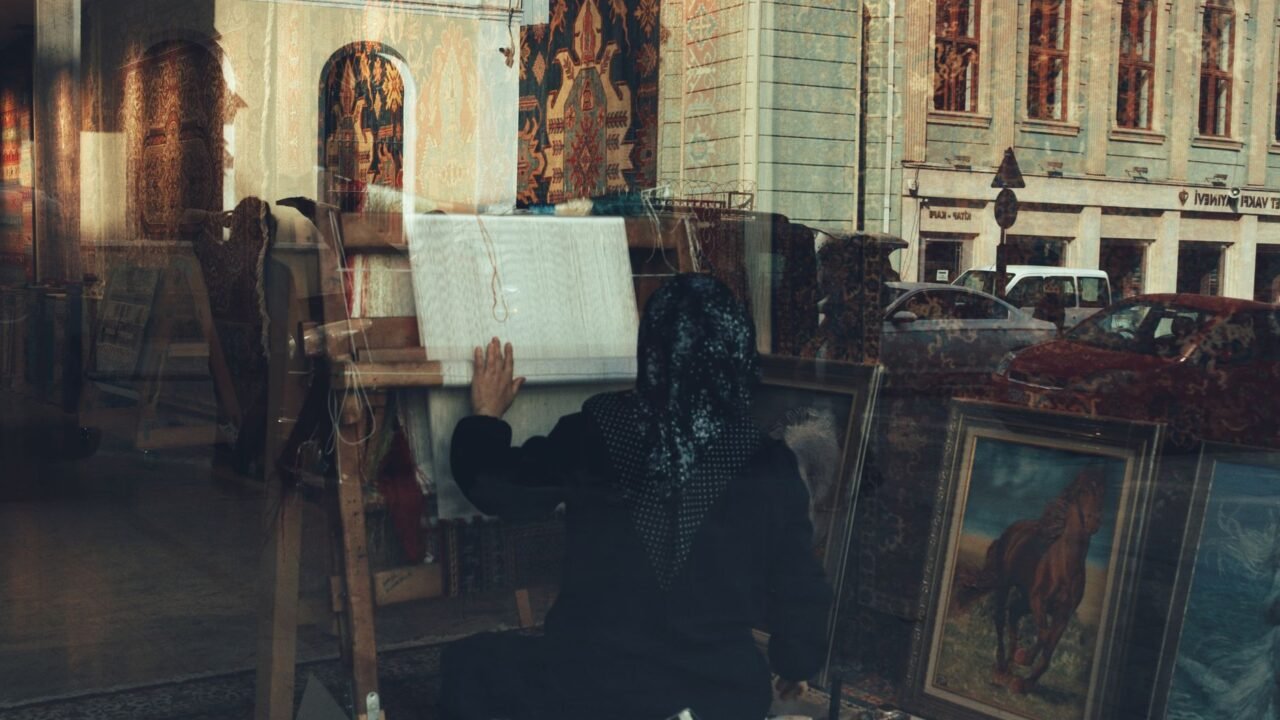
Rafiq Ahmed Sofi, a skilled artisan from Eidgah, Srinagar, has been selected to receive the prestigious National Award 2025 in the Hand-Knotted Carpet category, a significant recognition bestowed by the Ministry of Textiles. This accolade marks a proud moment for the handicrafts and handloom sector of Jammu and Kashmir, highlighting the enduring artistry and craftsmanship prevalent in the region. Sofi stands as the sole recipient from Jammu and Kashmir in this esteemed category for the year 2025, underscoring the unique quality of his work.
The award is in recognition of a meticulously hand-knotted carpet crafted by Sofi, which features a rich tapestry of intricate floral motifs, traditional architectural designs, and elegant calligraphic elements. A spokesperson for the Directorate of Handicrafts and Handloom, Kashmir, expressed immense pride in this national recognition, stating that it not only celebrates Sofi’s exceptional skill but also his profound contribution to the traditional art of hand-knotted carpet weaving. Information reaching Tahir Rihat suggests that this award is anticipated to provide a substantial boost to the Valley’s renowned carpet industry, further solidifying its global reputation.
Kashmir’s hand-knotted carpets are celebrated worldwide for their centuries-old weaving tradition, a heritage that masterfully combines fine knotting techniques with distinctive design elements. The intricate process is further enhanced by the unique ‘taleem’ system, a method of pattern transcription that has been passed down through generations. The significance of this craft was further cemented in 2016 when it received Geographical Indication (GI) registration, a testament to its unique origin, heritage value, and the distinctiveness of its production methods. The national recognition serves as a powerful affirmation of the continued excellence and enduring relevance of this heritage craft in contemporary times.
The Directorate of Handicrafts and Handloom has encouraged artisans across the region to draw inspiration from Sofi’s achievement, urging them to continue upholding the high standards of quality and artistry that have become synonymous with Kashmir handicrafts. This national award is seen as a beacon, illuminating the path for other artisans to pursue excellence and contribute to the preservation and promotion of their traditional crafts. The spokesperson emphasized that such recognitions are vital for sustaining the livelihoods of artisans and ensuring the continuity of these invaluable cultural practices for future generations. The formal award ceremony is slated to take place in December 2026, where Rafiq Ahmed Sofi, along with other national awardees, will be felicitated for their outstanding contributions to their respective fields.
The intricate process of hand-knotted carpet weaving in Kashmir is a labor-intensive endeavor that demands immense patience, precision, and artistic vision. Each carpet is a unique masterpiece, with designs often inspired by nature, Mughal architecture, and Persian art. The selection of motifs, the choice of colors derived from natural dyes, and the meticulous knotting technique all contribute to the unparalleled beauty and durability of these carpets. The taleem system, a complex method of reading and translating patterns, is a crucial element that distinguishes Kashmiri carpet weaving and ensures the fidelity of the design from the initial sketch to the final woven product. This system, often passed down orally and through visual demonstration, represents a significant repository of traditional knowledge.
The GI tag awarded to Kashmiri carpets in 2016 was a significant milestone, providing legal protection to the craft and preventing imitations. It acknowledges that the quality, reputation, and characteristics of these carpets are intrinsically linked to their geographical origin. This recognition helps to ensure that the economic benefits derived from the sale of these carpets accrue to the genuine artisans and the communities involved in their production. The Directorate of Handicrafts and Handloom has been instrumental in promoting Kashmiri crafts both domestically and internationally, organizing exhibitions, facilitating market access, and providing training programs to enhance the skills of artisans and introduce them to contemporary design trends while preserving traditional aesthetics.
The selection of Rafiq Ahmed Sofi for the National Award is not merely a personal triumph but a collective celebration of the rich cultural heritage of Jammu and Kashmir. It underscores the importance of traditional crafts as a source of economic empowerment and cultural preservation. The award is expected to inspire a new generation of artisans to take up this intricate art form, ensuring its survival and evolution. The Directorate’s commitment to supporting artisans through various schemes and initiatives, including financial assistance, skill development, and marketing support, plays a crucial role in nurturing this sector. The continued success of Kashmiri artisans on national and international platforms is a testament to their resilience, dedication, and the timeless appeal of their creations. The Ministry of Textiles’ recognition of Sofi’s work highlights the national importance placed on preserving and promoting traditional Indian crafts, which are integral to the country’s cultural identity and economic diversity.

Tahir Rihat (also known as Tahir Bilal) is an independent journalist, activist, and digital media professional from the Chenab Valley of Jammu and Kashmir, India. He is best known for his work as the Online Editor at The Chenab Times.





Leave a Reply